
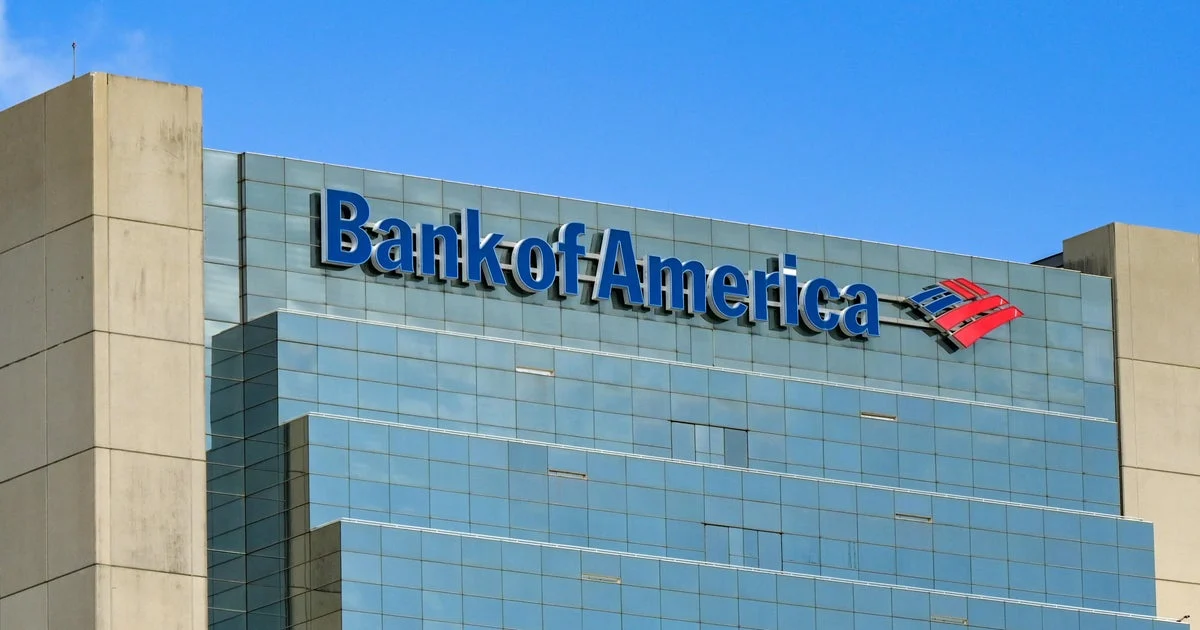
Bank of America Global Research forecasts that the Federal Reserve will not reduce interest rates until the latter half of 2027. This outlook contrasts its earlier projections of rate cuts in September and October of this year and reflects persistent inflation and robust employment growth.
Previously, Bank of America had expected the Fed to ease monetary policy this year, partly anticipating that Kevin Warsh, former President Trump’s nominee for Fed chair, might influence a shift toward lower rates. However, shifting economic conditions and ongoing global uncertainties—such as the Iran war, new tariffs, and advances in artificial intelligence—have complicated the Fed’s policy outlook.
Factors Behind the Delay in Rate Cuts
Multiple factors contribute to the extended timeline for potential rate reductions. Although Warsh has indicated openness toward lowering borrowing costs, several Federal Reserve officials remain hesitant. Notably, Chicago Fed President Austan Goolsbee and St. Louis Fed President Alberto Musalem have voiced concerns that productivity gains from AI could boost spending and overheat the economy, arguing against premature rate cuts.
Inflation, which stood at 3.3% as of the most recent data, remains notably above the Fed’s 2% target. The recent escalation in energy prices linked to the Iran conflict has further pushed inflation upward. Rate cuts typically stimulate economic growth but risk exacerbating inflationary pressures, making the timing critical.
Bank of America analysts indicated that rate reductions are more likely once inflation shows signs of retreating, possibly by the second half of 2027. Supporting this view, Deutsche Bank economists highlighted that core inflation has yet to decline below 3%, partly due to ongoing tariff impacts and rising costs in computer hardware and software driven by AI advancements.
Strong Job Market Reinforces Fed’s Caution
A recent U.S. jobs report revealed stronger-than-expected employment growth, adding 115,000 jobs in April, exceeding forecasts of 65,000. This resilience in the labor market weakens arguments for earlier rate cuts, with market analysts emphasizing that Fed policymakers remain focused on containing inflation rather than easing monetary policy prematurely.
The Federal Open Market Committee (FOMC), composed of 12 members, sets the federal funds rate. The last rate cut occurred in December 2025, when the Fed lowered rates by a quarter percentage point. Since then, the federal funds rate has stayed between 3.5% and 3.75%.
Why it matters
The Fed’s prolonged stance on maintaining higher interest rates signals cautious monetary policy aimed at tempering inflation without derailing economic growth. For consumers and businesses, this likely means continued higher borrowing costs for the foreseeable future. The timing of any future rate cuts will significantly influence credit markets, investment decisions, and overall economic activity.
Sources
This article is based on reporting and publicly available information from the following source:
Read more Business stories on Goka World News.