
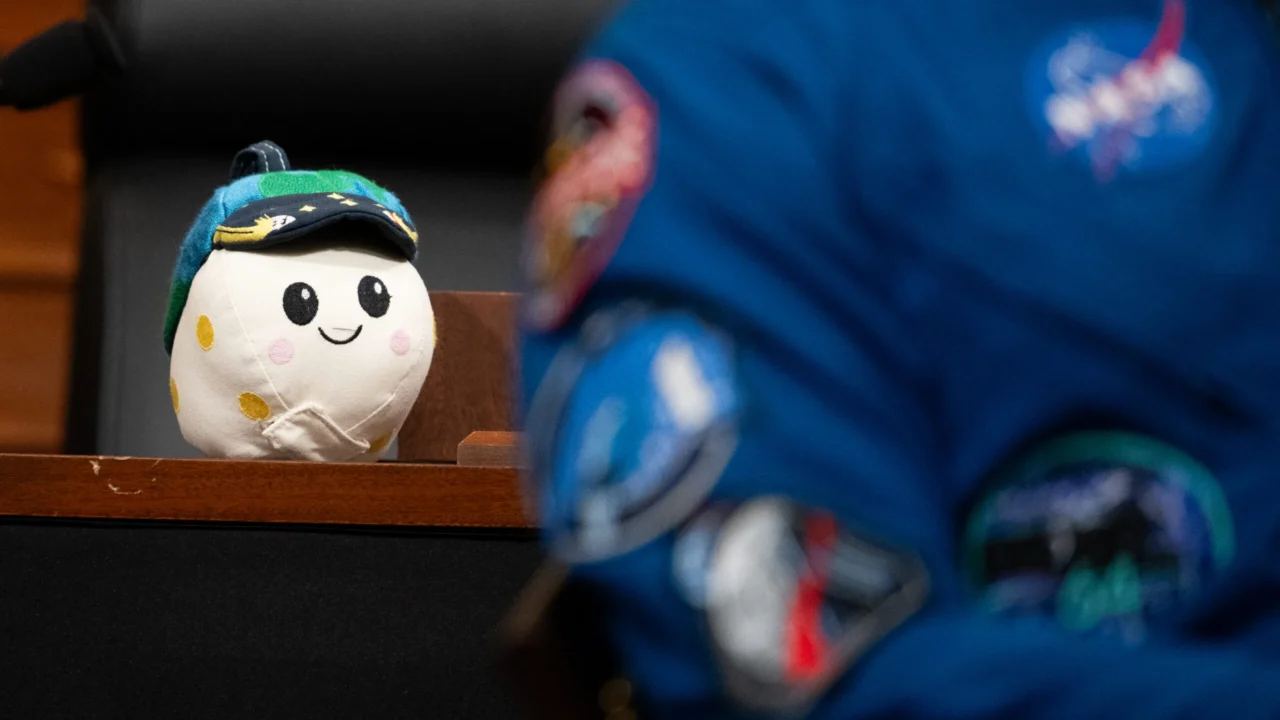
Members of NASA’s Artemis II mission crew visited the U.S. Capitol on May 12, 2026, to brief congressional staff about their recent lunar mission. The crew included NASA astronauts Reid Wiseman, Victor Glover, Christina Koch, and Canadian Space Agency astronaut Jeremy Hansen.
Artemis II completed a nearly 10-day journey orbiting the Moon and safely returning to Earth in April 2026. The mission marked the first crewed lunar flight in over five decades and served as a key step toward establishing a sustainable human presence on and around the Moon.
During their visit, the astronauts spoke about their experiences and the mission’s significance while the Artemis II zero gravity indicator, known as “Rise,” was displayed on the dais. This indicator symbolizes the mission’s achievements and the crew’s efforts in advancing human spaceflight capabilities.
Why it matters
The Artemis II mission provided critical data and operational experience for future crewed lunar missions under NASA’s Artemis program. The crew’s congressional visit aims to support continued legislative backing and funding for sustained lunar exploration initiatives that could pave the way for eventual missions to Mars.
Background
The Artemis program is NASA’s ongoing effort to return humans to the Moon and establish a long-term presence there. Artemis II followed Artemis I, an uncrewed test flight, and precedes Artemis III, which plans to land astronauts on the lunar surface. The inclusion of a Canadian astronaut reflects international partnerships promoting cooperative space exploration.
Sources
This article is based on reporting and publicly available information from the following source:
Read more Space & NASA stories on Goka World News.