
Will Cummings-Grande, an aerospace engineer at NASA’s Langley Research Center, recently completed specialized training at the Federal Aviation Administration (FAA) Academy to enhance digital clearance delivery systems used in U.S. airports. His goal is to develop technology that extends digital communications beyond airborne clearance delivery to include taxi instructions, potentially improving safety and efficiency on airport surfaces.
Hands-On Experience with FAA Digital Systems
Cummings-Grande attended the FAA’s Tower Data Link Services (TDLS) Application Specialist training in April at the Mike Monroney Aeronautical Center in Oklahoma City. This two-day, hands-on course is the same training required of controllers working at 72 U.S. airports equipped with digital clearance delivery. By shadowing active controllers and engaging directly with FAA systems, he gained practical insights into how digital clearance processes function in busy, real-world air traffic control environments.
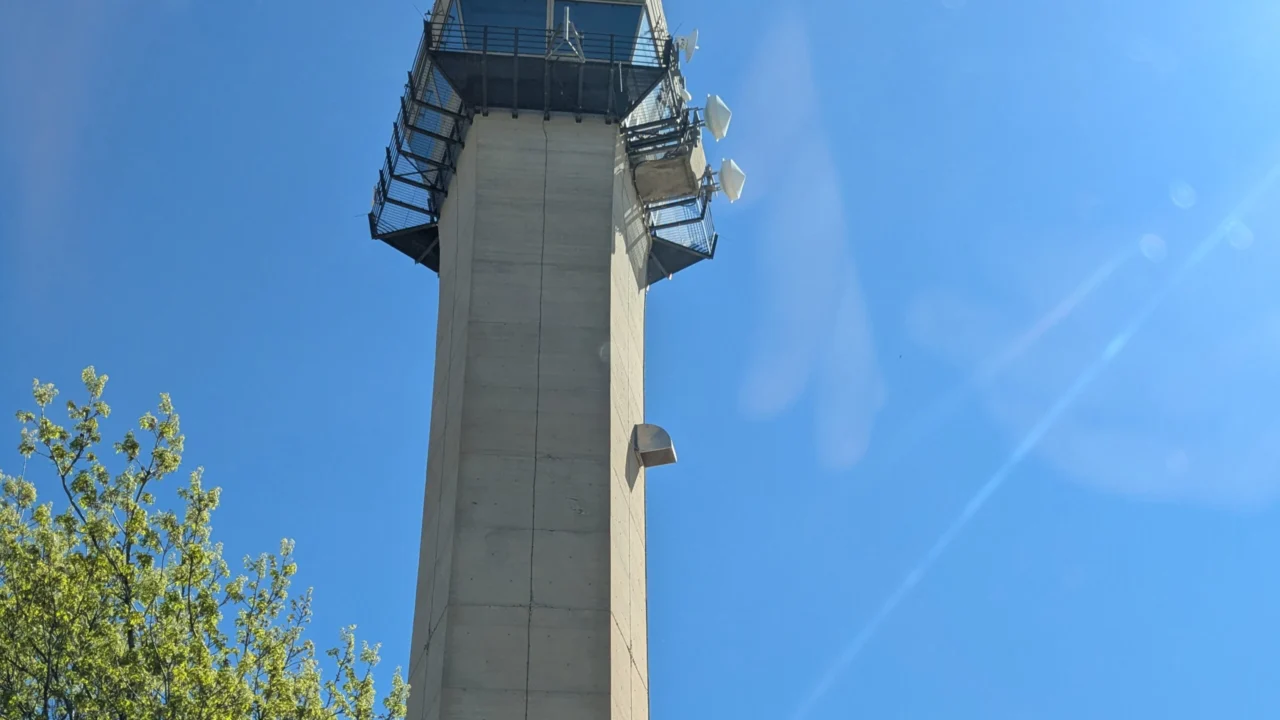
During the training, Cummings-Grande worked alongside application specialists from multiple major airports and used opportunities to test and refine his research ideas by consulting with controllers actively using the TDLS. He also visited the Oklahoma City control tower to observe live operations, noting the system’s cybersecurity design through its air-gapped software architecture.
Identifying Critical Research Gaps
Reviewing the FAA system architecture during training, Cummings-Grande discovered an unimplemented link between the TDLS and the Terminal Flight Data Manager (TFDM), a software managing runway and departure sequencing. This connection had escaped his attention prior to the course and is now central to his ongoing research efforts.
This observation aligns with NASA’s historical involvement in digital surface operations, building on decades of projects such as Terminal Area Productivity, Surface Operation Automation Research, and the Low Visibility Landing and Surface Operations program. These efforts, dating back to the 1990s, demonstrated reductions in controller and pilot workload through digital taxi clearances but were limited by then-available technology and cost considerations.
Future Integration and Industry Collaboration
Cummings-Grande explains that recent advancements in infrastructure and FAA programs like Airspace Technology Demonstration (ATD-2), which includes tools such as the Spot and Runway Departure Advisor and Precision Departure Release Capability, now set the stage for integrating comprehensive digital surface clearance systems. Alongside renewed industry interest in aircraft systems, this convergence supports advancing research toward operational deployment within the next five to ten years.
The envisioned system aims to increase safety by automating taxi clearances, reducing pilot workload, and enabling real-time verification of taxi routes. This would help pilots focus on operational tasks and minimize reliance on manual note-taking or familiarity with complex airport layouts.
Bridging Research and Operational Expertise
Cummings-Grande noted that, to his knowledge, he is the first NASA researcher to complete this FAA controller training and advocates for continuing collaborations between research institutions and the FAA Academy. He suggests expanding such training to other areas like terminal procedures design and urban air mobility research to foster deeper understanding of operational systems among technical experts.
The FAA Academy facilitated valuable connections during the course, including meetings with systems engineers responsible for TDLS development and implementation. Cummings-Grande specifically thanked FAA staff Eric Gandrud and Carol Raiford for their support.
Why it matters
The integration of digital clearance delivery systems into surface operations has the potential to enhance safety and efficiency at busy airports by reducing radio channel congestion and pilot-controller miscommunications. Automating taxi instructions can streamline ground traffic management, decrease human error, and support NextGen modernization initiatives led by the FAA and NASA collaboration. This development promises tangible benefits for passengers and the aviation industry within the next decade.
Sources
This article is based on reporting and publicly available information from the following source:
Read more Space & NASA stories on Goka World News.