
Consumer inflation in the United States accelerated in April to an annual rate of 3.8%, the highest since May 2023, driven primarily by rising energy prices amid geopolitical tensions in the Middle East. The Labor Department reported that the Consumer Price Index (CPI) rose 0.6% from March, exceeding economists’ expectations of a 3.7% annual increase.
Energy Prices Drive Inflation Spike
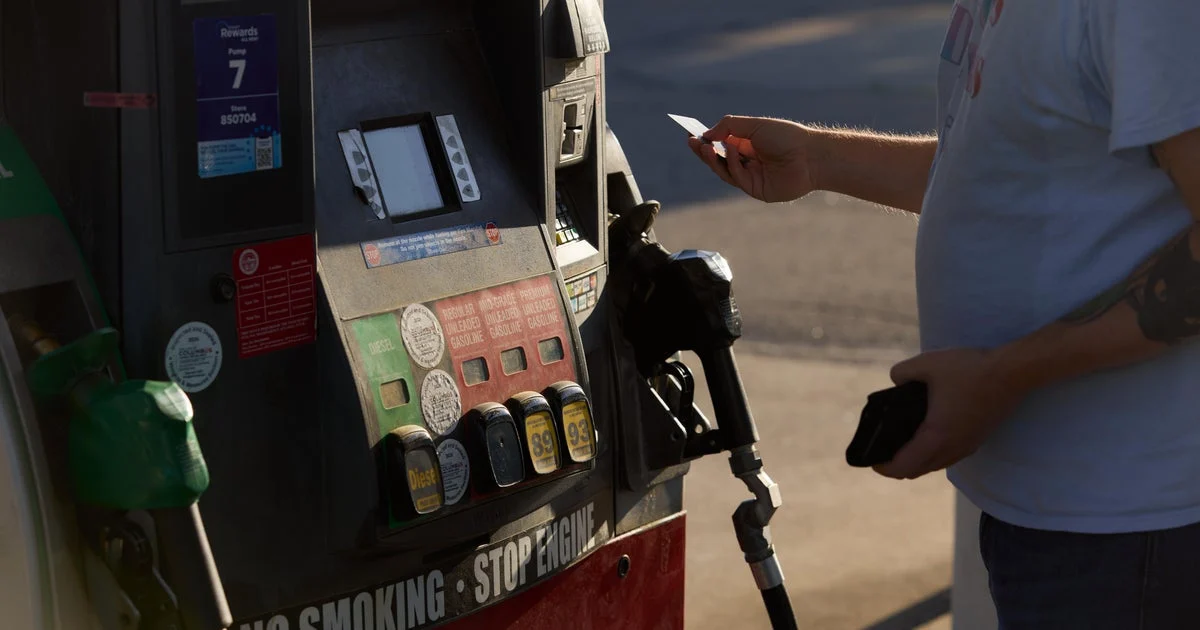
Energy costs accounted for 40% of the monthly increase in the CPI, with gasoline prices surging 28.4% compared to a year earlier. The ongoing war involving Iran, which started in March, has disrupted global oil supplies and pushed gas prices to levels last seen in July 2022. This escalation has also increased transportation costs for businesses and consumers.
In addition to fuel, airline fares rose sharply by 20.7% year-over-year in April, reflecting higher jet fuel expenses. Core inflation, which excludes volatile food and energy prices, climbed 2.8%, indicating that price pressures are expanding beyond fuel-related sectors.
Economic Impact and Response
The rising fuel costs have added roughly $75 per month to the average household’s expenses, contributing to what experts describe as a significant financial squeeze on American consumers. Heather Long, chief economist at Navy Federal Credit Union, noted that inflation is currently the main drag on the U.S. economy and is eroding wage gains for the first time in three years.
In a recent interview, former President Donald Trump announced plans to suspend the federal gas tax—currently 18.4 cents per gallon for regular gasoline and 24.4 cents for diesel—to ease the burden on motorists. However, analysts suggest that such a move may only provide limited relief given the broader inflationary pressures.
Trump also rejected calls for a government bailout of U.S. airlines, which have raised ticket prices in response to higher fuel costs, affecting travel costs during the summer season.
Inflation Outlook and Federal Reserve Policy
Mark Zandi, chief economist at Moody’s Analytics, predicts inflation will continue rising through the summer even if the Iran conflict ends soon, before descending to around 3.3% by the end of the year. He highlighted that increased energy costs will drive up prices for goods transported by diesel-powered trucks, as well as impact manufacturing, agriculture, and construction sectors.
With inflation rising and the labor market showing little improvement, the Federal Reserve is unlikely to cut interest rates in the near term. Chris Zaccarelli, chief investment officer at Northlight Asset Management, pointed out the improbability of rate reductions soon, echoing recent forecasts from Bank of America which moved the anticipated timing of Fed rate cuts to the second half of 2027. Market expectations, as measured by CME Group’s FedWatch tool, assign less than a 50% chance of rate cuts before March 2027.
Why it matters
The inflation spike affects everyday costs for U.S. consumers, increasing expenses for fuel, travel, and consumer goods. Continued inflationary pressures complicate economic recovery efforts and influence Federal Reserve monetary policy decisions, potentially prolonging higher interest rates. The impact of geopolitical conflicts like the Iran war highlights the interconnectedness of global events and domestic inflation.
Background
The Consumer Price Index measures the average change over time in prices paid by consumers for a basket of goods and services. Inflation had moderated earlier but has surged recently due to external shocks including geopolitical instability, affecting energy supply chains and broadening price pressures throughout the economy.
Sources
This article is based on reporting and publicly available information from the following source:
Read more Business stories on Goka World News.