
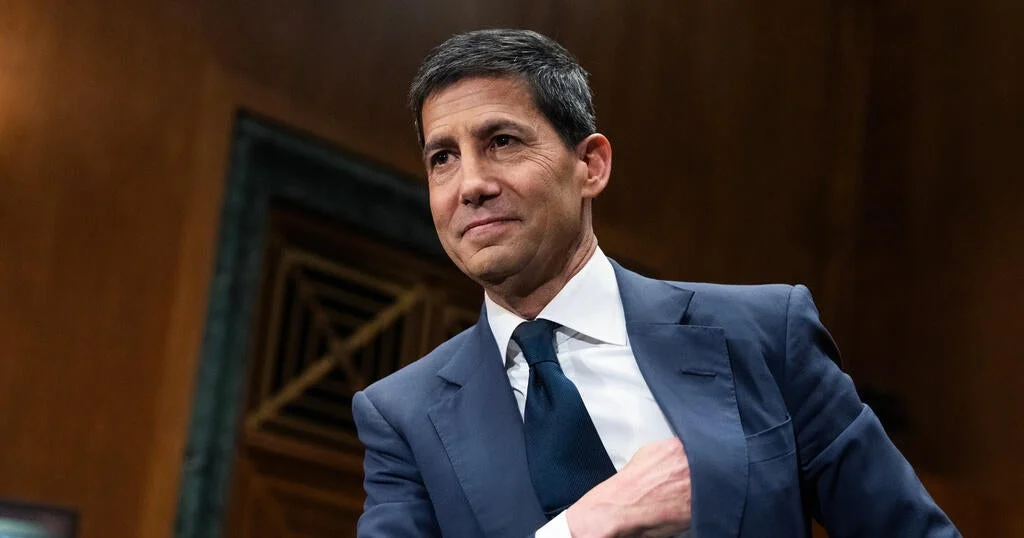
The Senate confirmed Kevin Warsh as chair of the Federal Reserve on Wednesday with a 54-45 vote. Warsh, President Trump’s pick, assumes leadership amid expectations he will influence upcoming decisions on interest rates, but his authority is constrained by the Federal Open Market Committee’s (FOMC) collective structure and mixed political appointees.
Fed Chair’s Influence and Committee Dynamics
Although Warsh takes on the role of Fed chair, he wields only one vote on the 12-member FOMC. Interest rate decisions require consensus among the committee, which includes seven governors — three appointed by Trump, three by President Biden, and Jerome Powell, who was originally appointed under Obama and later elevated by Trump as chair.
The remaining FOMC members are the president of the New York Federal Reserve and four rotating regional Fed bank presidents, who are less influenced by the White House. This diversity makes strong unilateral action by the chair unlikely.
Former Fed officials emphasize the chair’s “soft power”—the ability to persuade and build consensus ahead of meetings. Warsh’s influence depends on his credibility, negotiation skills, and the economic outlook, currently complicated by inflation concerns and geopolitical risks.
Jerome Powell’s Continued Role on the Fed
Warsh will begin his tenure while former Chair Jerome Powell remains on the Fed’s Board of Governors, an unusual situation triggered by a Justice Department criminal investigation related to Federal Reserve office renovations. Though the probe concluded without charges, Powell decided to stay until all proceedings are fully resolved.
Powell has stated he intends to take a “low profile” role, supporting the chair’s direction where possible without acting as a shadow leader. His experience and respect within the institution ensure his views will continue to carry weight during FOMC deliberations.
Interest Rate Outlook Under Warsh
Warsh’s stance on interest rates has varied; while previously favoring tighter policy, he showed openness to cuts last year. Nonetheless, analysts expect no immediate major changes in rates, given the committee’s divided composition and the complex economic environment marked by persistent inflation and geopolitical uncertainty.
The FOMC balances its dual mandate of promoting maximum employment and stable prices, requiring careful calibration. Markets and policy observers will closely examine the Fed’s detailed post-meeting statements for subtle indications of future moves.
Why it matters
Warsh’s leadership arrives at a pivotal time for U.S. monetary policy amid inflation pressures and geopolitical tensions. While the Fed chair traditionally shapes economic strategy, Warsh’s actual ability to influence interest rates rests on consensus-building within a politically diverse committee. Powell’s ongoing presence adds a rare dynamic, potentially complicating or supporting Warsh’s policy goals. Investors, businesses, and consumers will watch Fed actions closely for signals about borrowing costs and economic stability.
Sources
This article is based on reporting and publicly available information from the following source:
Read more Business stories on Goka World News.