
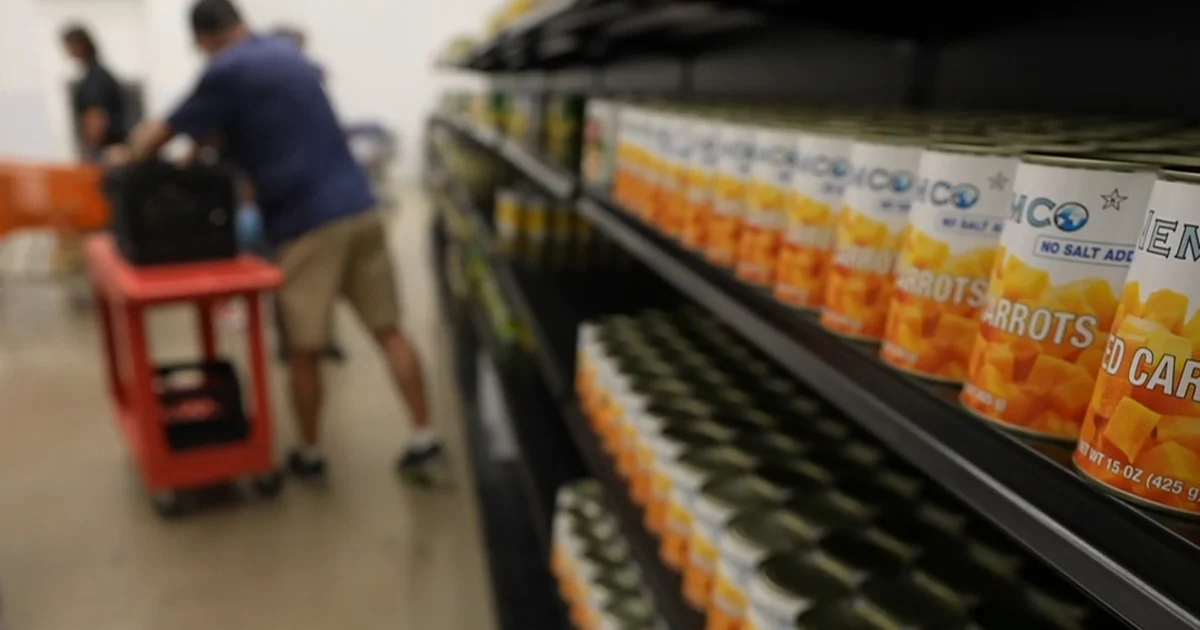
For the first time in three years, Americans are increasingly relying on food pantries as the cost of living rises faster than their earnings. The widening gap between prices and wages is prompting more families nationwide to seek assistance from food banks and community distribution centers.
Food pantry demand grows amid inflation
Recent economic data shows that inflation continues to outpace wage growth, particularly in essential sectors like food, housing, and utilities. This dynamic has strained household budgets, pushing vulnerable populations to supplement their groceries through charitable food programs.
Food pantries, which saw significant usage during the peak of the COVID-19 pandemic, are experiencing renewed pressure as prices climb. Items critical to daily nutrition have become less affordable, driving more individuals and families to seek emergency food aid.
Income stagnation limits purchasing power
Wage increases have not kept pace with the rising prices of goods, effectively reducing consumers’ purchasing power. Analysts note this is the first notable instance in three years where price hikes have surpassed income growth, reversing a trend of modest wage gains that previously helped offset inflationary impacts.
This gap particularly affects lower-income households, who spend a larger percentage of their budget on essentials. With tight financial margins, many are compelled to access food pantries to meet basic needs.
Community food programs face renewed demand
Charitable organizations that operate food pantries are reporting an uptick in clients seeking assistance. The renewed demand threatens to stretch already limited resources, forcing some pantries to seek increased funding and donations to keep up.
Officials and advocates highlight the need for sustained support for food security programs as inflationary pressures continue to challenge economic recovery.
Why it matters
The growing reliance on food pantries signals persistent economic challenges for many Americans despite overall economic growth. The disparity between rising prices and stagnant wages heightens food insecurity risks, underscoring the importance of policy measures and community support to address cost-of-living pressures.
Sources
This article is based on reporting and publicly available information from the following source:
Read more US News stories on Goka World News.