
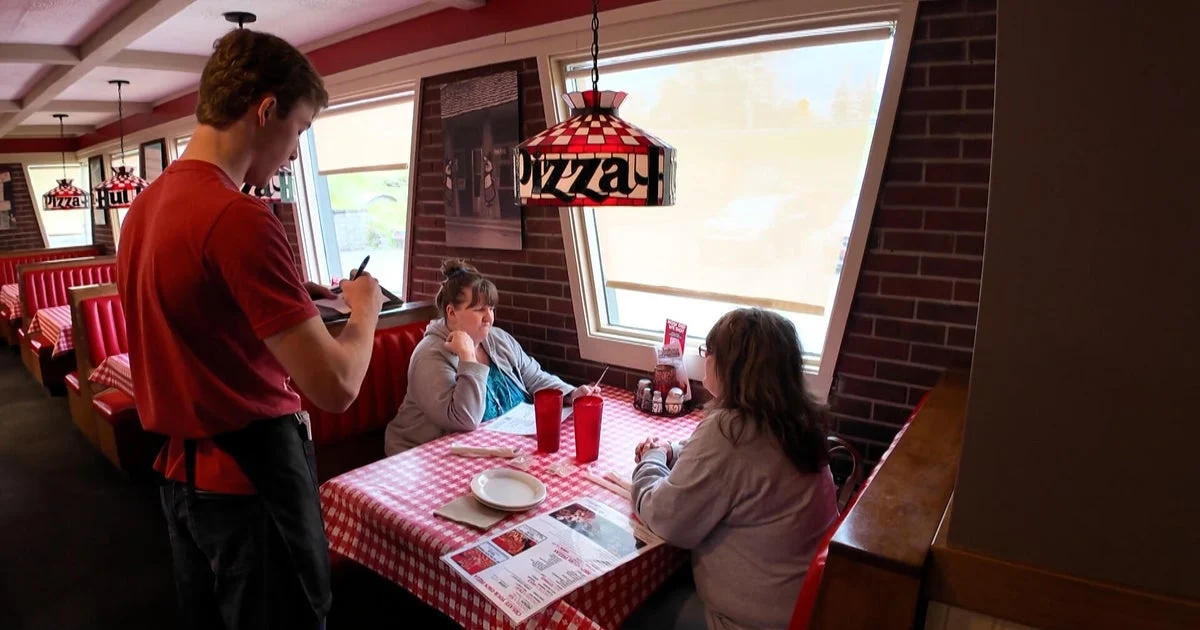
Facing tougher conditions in the foodservice industry, some restaurants are turning to nostalgia to encourage customers to return to their dining rooms. Operators are incorporating retro themes, menus, and decor reminiscent of past decades in an effort to evoke fond memories and differentiate themselves from competitors.
These establishments aim to create a sense of comfort and familiarity by reviving classic dishes and styles that resonate with customers’ experiences from earlier times. The approach is intended to appeal not only to older patrons seeking a nostalgic dining experience but also to younger diners attracted to vintage aesthetics and traditional fare.
By leveraging this sentimentality, some restaurants hope to boost foot traffic as dining rooms continue to recover from pandemic-related disruptions and shifting consumer behaviors. The strategy often includes redesigning interiors, featuring throwback branding, and offering menu items that were popular in previous decades.
Why it matters
This trend highlights how restaurants are adapting to ongoing challenges in the industry, including competition from delivery services and changing preferences in social dining. The use of nostalgia as a marketing tool reflects broader efforts to reconnect with customers and rejuvenate in-person dining experiences during a period of recovery and transformation.
Background
In recent years, restaurants have struggled with labor shortages, supply chain disruptions, and fluctuating demand due to COVID-19. Many operators have sought creative ways to enhance in-person dining appeal as they compete with the convenience of takeout and delivery options. Nostalgic themes represent one approach among others such as menu innovation, immersive experiences, and enhanced safety protocols.
Sources
This article is based on reporting and publicly available information from the following source:
Read more Business stories on Goka World News.