
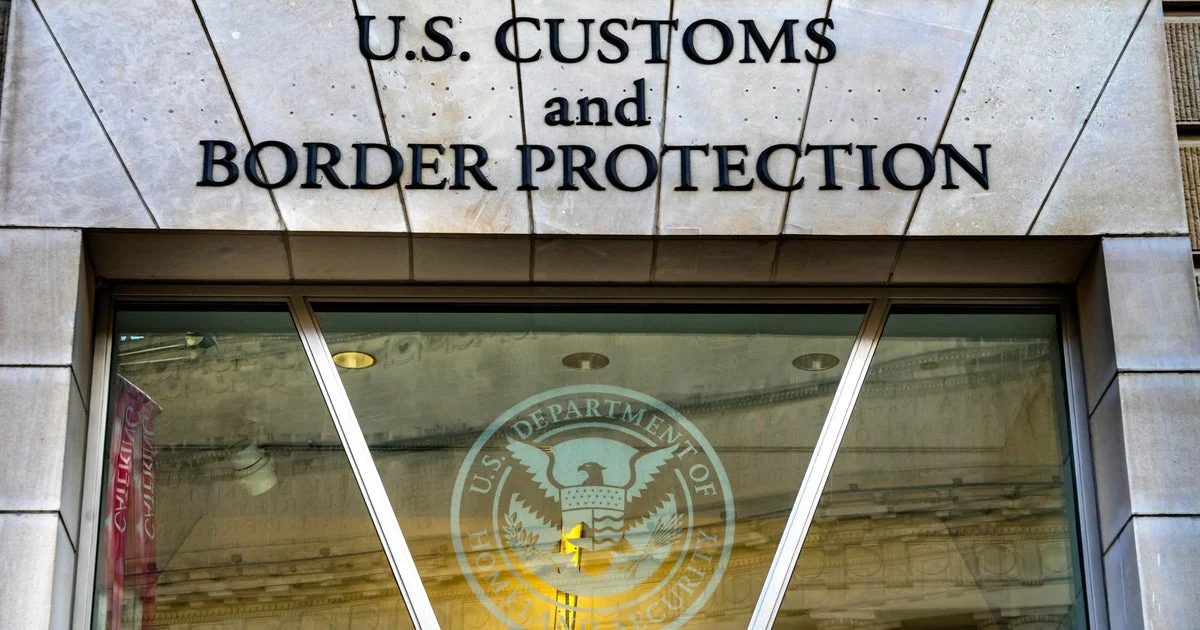
U.S. businesses have started receiving federal refunds for tariffs imposed under the International Emergency Economic Powers Act (IEEPA), after a Supreme Court ruling declared these tariffs unlawful. The tariffs, originally imposed by the Trump administration in 2025, are now being reimbursed along with interest, marking a significant financial relief for affected importers.
Refunds Issued Following Supreme Court Ruling
In February 2026, the Supreme Court ruled that the Trump administration lacked the legal authority to impose tariffs under IEEPA. Following this, the U.S. government began processing refund claims earlier this year.
Sarah Wells, owner of a small business producing accessories and apparel for breastfeeding mothers, reported receiving a partial refund of about $10,000, representing the 20% tariff plus interest on goods imported from China. Wells had filed refund claims in April for shipments from both China and Cambodia and expects additional payments.
As of May 11, federal officials had approved nearly 87,000 refund requests linked to over 15 million IEEPA duty payments. More than half of these requests have been finalized, resulting in refunds totaling approximately $35.5 billion, according to U.S. Customs and Border Protection (CBP) official Brandon Lord in a filing with the U.S. Court of International Trade.
Scale and Impact of Refunds
Ryan Petersen, CEO of supply chain management firm Flexport, noted that his company’s clients had received around $137 million in IEEPA tariff refunds by May 11. Petersen praised the government for rapidly developing and launching the technology to process these refunds.
The Trump administration owes approximately $166 billion in total refunds to importers affected by the IEEPA tariffs. Although these tariffs are being refunded, imports continue to face a 10% tariff imposed under a separate law — Section 122 of the Trade Act of 1974 — enacted in February.
Additionally, the White House announced investigations in March into foreign trade practices under Section 301 of the Trade Act of 1974. This provision allows the U.S. to impose tariffs in response to unfair trade practices.
Wells remarked on ongoing challenges for businesses, noting upcoming shipments subject to the 10% tariffs and potential new Section 301 tariffs, emphasizing the difficulty of planning amid shifting trade policies.
Why it matters
The Supreme Court decision and subsequent refund process represent a rare reversal of trade policy affecting billions in commerce. The refund program alleviates financial burdens on U.S. importers that had paid significant tariffs later deemed unlawful. However, companies remain exposed to tariffs enforced under other statutes, sustaining uncertainty and potential cost increases in supply chains.
Sources
This article is based on reporting and publicly available information from the following source:
Read more Business stories on Goka World News.