
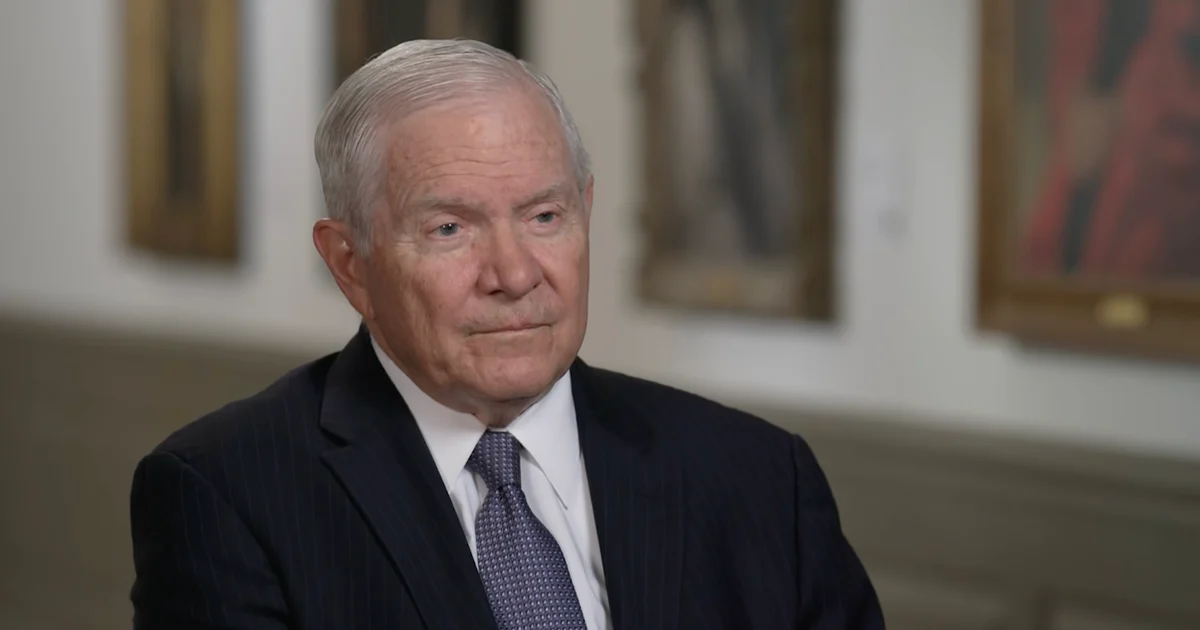
Former U.S. Defense Secretary Robert Gates identified the potential collapse of Cuba as the most significant threat the island nation poses to the United States, emphasizing the risk of a mass migration crisis rather than direct military or security threats.
Speaking on CBS’s “Face the Nation” on May 15, Gates said the primary concern is a scenario resembling the 1980 Mariel Boatlift, when approximately 125,000 Cubans fled to the United States amid economic and political turmoil. That migration event strained social services in Florida and forced emergency responses from state and federal governments.
Gates acknowledged Cuba’s involvement in regional conflicts, including providing security support for ousted Venezuelan President Nicolás Maduro, which he said has had some impact on U.S. national security. However, he questioned whether Cuba poses an “imminent threat” to the United States beyond these indirect influences.
“Other than in these, if you will, peripheral ways, I think the main threat is, frankly, is collapse,” Gates stated, highlighting the economic instability currently facing the Communist-ruled island.
Under the Trump administration, the U.S. has imposed a stringent oil blockade against Cuba, aiming to cripple its economy and force political reforms. Experts contend this blockade has pushed Cuba into its most severe crisis since the Soviet Union’s collapse, which formerly subsidized Cuba.
Recently, Cuba’s energy minister publicly announced the island had run out of fuel, attributing the shortage largely to the effects of the U.S. blockade.
In a rare diplomatic move, CIA Director John Ratcliffe traveled to Havana on May 14 for meetings with senior Cuban officials. According to U.S. intelligence sources, Ratcliffe delivered a message indicating the United States is willing to expand economic and security cooperation with Cuba if the government undertakes “fundamental changes.”
Why it matters
Gates’ assessment underscores the importance of stability in Cuba for U.S. national security and immigration policy. A collapse or major economic breakdown could trigger another mass exodus to the U.S., repeating a crisis with significant social and political repercussions, particularly in Florida. The ongoing U.S. sanctions and blockade have heightened the risk of such instability.
Background
The Mariel Boatlift in 1980 was a defining moment in U.S.-Cuba relations, when Cuba’s faltering economy and political strife prompted a large-scale refugee movement. Since then, U.S. policy has fluctuated between engagement and pressure, with the Trump administration favoring more aggressive economic sanctions aimed at isolating Cuba’s communist government. Meanwhile, Cuba’s close ties with Venezuela and its role in regional politics have complicated U.S. strategic interests.
Sources
This article is based on reporting and publicly available information from the following source:
Read more Politics stories on Goka World News.