
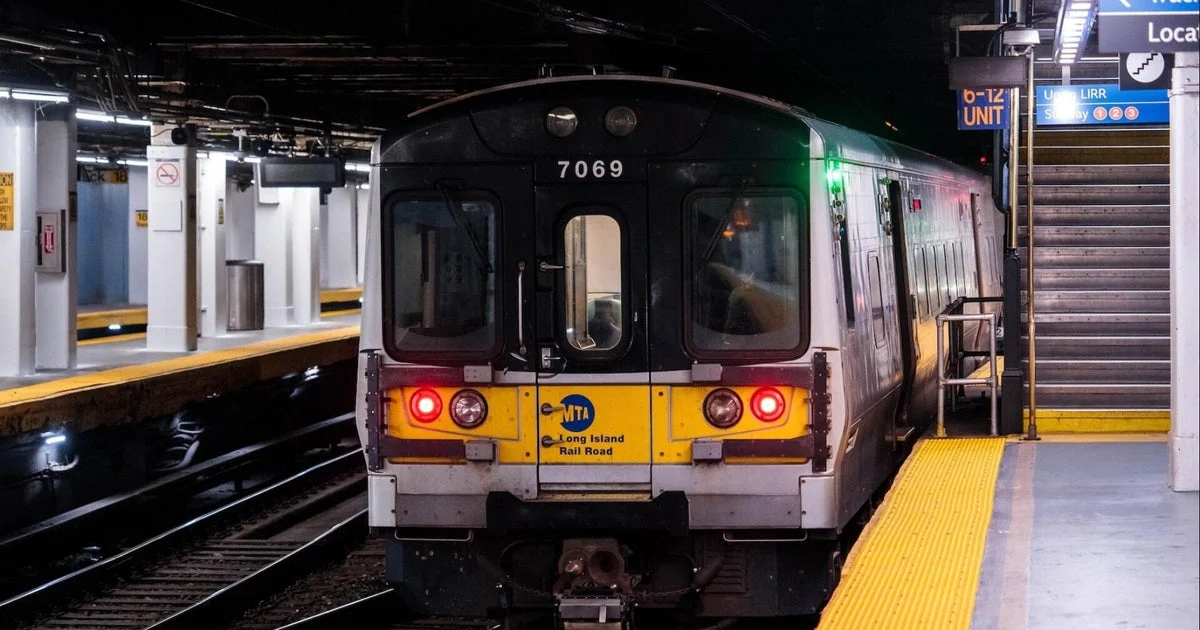
Approximately 3,500 employees of the Long Island Rail Road (LIRR) have commenced a strike in New York, affecting the busiest commuter rail service in North America. The walkout began as workers protested for improved labor conditions and contract terms.
The strike involves key personnel essential to the daily operations of the LIRR, which serves hundreds of thousands of commuters traveling between Long Island and New York City each day. This labor action has caused significant disruptions to transit schedules, with many trains delayed or canceled.
The strike represents a major challenge for regional transportation officials and commuters who rely on the rail service for work and other essential travel. Although specific demands from the striking workers have not been publicly detailed, the walkout underscores ongoing tensions between labor groups and rail management over contract negotiations.
Why it matters
The LIRR strike highlights vulnerabilities in critical commuter infrastructure, especially in a densely populated metropolitan area where public transit disruptions have widespread economic and social impacts. The labor stoppage can affect tens of thousands of daily passengers and underscores broader issues in the U.S. rail industry regarding worker rights and contract negotiations.
Background
The Long Island Rail Road is the busiest commuter railroad in North America, operating more than 700 daily trains covering close to 700 miles of track. It is a vital transit link for the New York metropolitan region.
Railroad labor disputes have increased recently nationwide, reflecting ongoing challenges such as staffing shortages, safety concerns, and wage negotiations. This strike fits into a larger pattern of labor unrest across various sectors of the U.S. rail system.
Sources
This article is based on reporting and publicly available information from the following source:
Read more US News stories on Goka World News.