
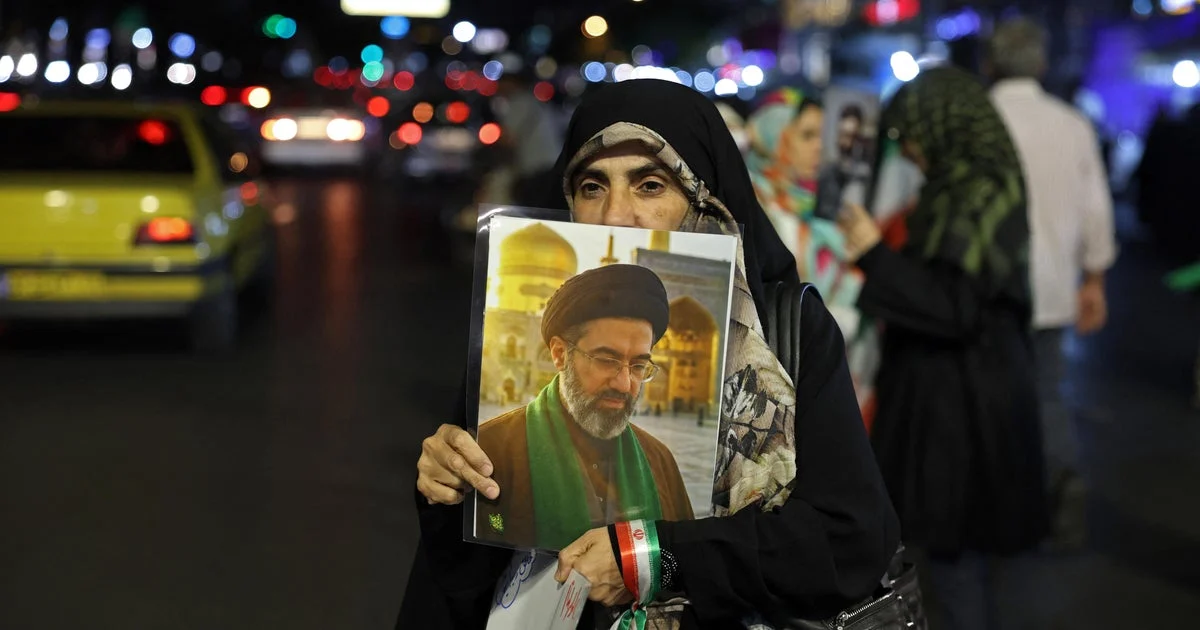
Iran’s government is assessing the latest peace proposal from the United States aimed at ending the nearly three-month conflict that has affected global energy prices, Iranian state media reported. This development comes as Pakistani mediator Army Chief Asim Munir prepares to visit Tehran to support ongoing indirect negotiations between the two nations.
Meanwhile, U.S. President Donald Trump said he is willing to wait “a couple of days” for Iran’s response to the offer. He expressed cautious optimism about Iran’s negotiators but emphasized the need for “the right answers” to prevent the war from escalating again.
Iran’s uranium stockpile remains a sticking point
According to two senior Iranian officials cited by Reuters, Iran’s Supreme Leader Mojtaba Khamenei has decreed that the country’s stockpile of highly enriched uranium must remain within its borders. The stockpile is reportedly close to 900 pounds enriched to 60%, nearing weapons-grade levels of 90% enrichment.
This decision directly conflicts with one of the U.S. demands in the peace talks, which aims to have Iran relinquish this material. Iranian officials believe that handing over the uranium would leave the country vulnerable to further attacks by the United States and Israel. The uranium is stored beneath a nuclear facility damaged in airstrikes in June 2025.
Maritime tensions and regional dynamics continue
Iranian state television reported that about 30 vessels passed through the Strait of Hormuz this week in coordination with Iran’s Islamic Revolutionary Guard Corps (IRGC). The IRGC reportedly enforced strict route adherence, which runs close to Iranian territory and effectively functions as a checkpoint. The ownership of these ships is unclear, and vessels carrying Iranian energy products risk interception under U.S. blockade measures.
International responses highlight escalating tensions
At the United Nations, Iran’s envoy Amir Saeid Iravani criticized the U.S. and the Security Council for failing to address repeated threats from President Trump, including explicit warnings of bombing Iran. Iravani called this normalization of threats by a Security Council permanent member “a dangerous precedent.”
Separately, the United Kingdom summoned Israel’s top envoy over controversial conduct by Israel’s far-right national security minister involving detained pro-Palestinian activists, reflecting heightened diplomatic strains in the region amid the ongoing conflict.
Why it matters
The latest diplomatic moves could influence the trajectory of a conflict that has not only destabilized the Middle East but also disrupted global fuel markets. The status of Iran’s uranium enrichment and control over the Strait of Hormuz remain critical issues that affect regional security and international energy supplies. The involvement of third-party mediators, like Pakistan, and heightened international scrutiny underscore the efforts to avoid further escalation due to the broader implications for global stability.
Sources
This article is based on reporting and publicly available information from the following source:
Read more World News stories on Goka World News.