
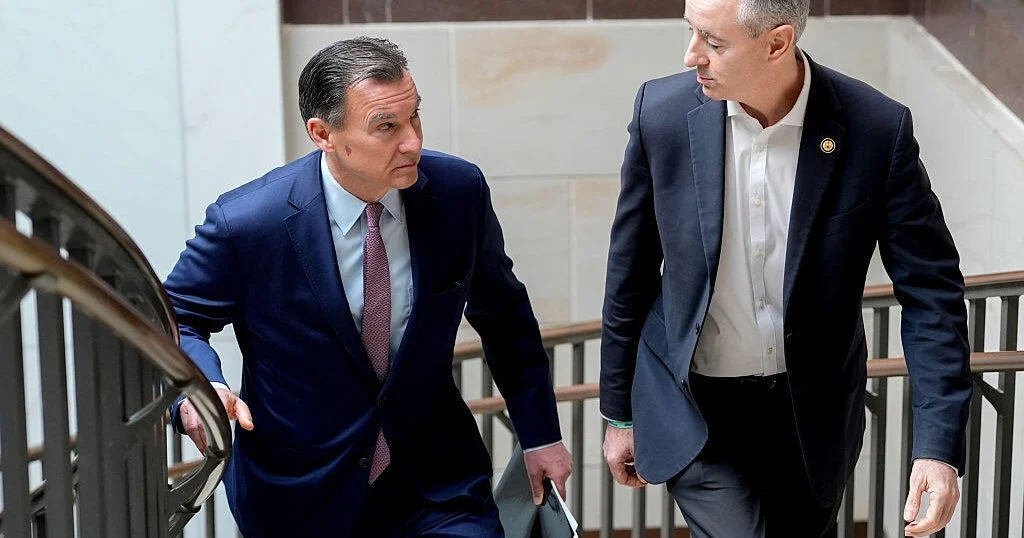
Republican Rep. Brian Fitzpatrick of Pennsylvania and Democratic Rep. Tom Suozzi of New York introduced legislation on May 21, 2026, to prohibit the use of federal money for the Justice Department’s recently established “anti-weaponization” fund. The bill, named the Bipartisan Transparency for American Taxpayers Act, responds to concerns over the nearly $1.8 billion fund designed to compensate individuals who claim they were improperly targeted by the government.
The fund originated from a settlement in a lawsuit brought by former President Donald Trump against the IRS. The suit alleged the improper leak of his tax returns, leading to the creation of this compensation fund—an unusual arrangement that has drawn criticism from both Democrats and an increasing number of Republicans in Congress.
Fitzpatrick emphasized Congress’s responsibility to oversee federal spending, stating, “Taxpayer dollars will not become a discretionary payout fund. Transparency is not optional. Accountability is not negotiable.” Suozzi labeled the fund a “slush fund” that could establish a precarious precedent for future government expenditures.
Fitzpatrick also wrote to acting Attorney General Todd Blanche expressing “urgent concern” over the fund’s establishment without Congressional oversight or approval. In his letter, he requested information on the fund’s source of money, criteria for eligibility, and the legal authority supporting its creation. Blanche was asked to respond by June 1.
The controversy surrounding the fund has stalled GOP efforts to advance a reconciliation package that included funding for Immigration and Customs Enforcement and Border Patrol for three years. Republican leaders had aimed to pass the package by the end of May to meet a June 1 deadline set by former President Trump.
Why it matters
The debate over the anti-weaponization fund highlights broader concerns about executive and departmental autonomy in allocating federal resources without direct Congressional approval. Given the fund’s link to claims from individuals involved in high-profile political conflicts, including figures associated with the January 6 Capitol attack, lawmakers’ scrutiny raises questions about transparency and accountability in government compensation programs.
The legislation, if passed, would effectively prevent the Justice Department from disbursing any claims from this fund using federal taxpayer money, limiting its operation and potentially affecting claimants awaiting compensation.
Background
The “anti-weaponization” fund emerged from President Trump’s legal challenge over the IRS leak involving his tax returns. It was established by the Justice Department on May 18, 2026, to provide compensation for those alleging they were unjustly targeted in government investigations. The fund’s creation bypassed Congressional approval, raising bipartisan concerns over the executive branch’s unchecked spending authority.
Sources
This article is based on reporting and publicly available information from the following source:
Read more Politics stories on Goka World News.