
The U.S. Supreme Court on Tuesday declined to hear the National Football League’s appeal to force head coach Brian Flores’ racial discrimination lawsuit into arbitration, allowing the case to proceed in federal court.
What happened
The NFL sought Supreme Court review to compel arbitration of Flores’ claims under the league’s employment contracts and governance rules, which grant the NFL commissioner authority to arbitrate disputes involving coaches and clubs. Flores, however, challenged this arbitration process, citing bias by Commissioner Roger Goodell, arguing that as the league’s chief executive with financial and professional interests aligned with team owners, Goodell could not provide a neutral forum.
In its earlier rulings, a federal district court and the U.S. Court of Appeals for the Second Circuit agreed with Flores. The appellate court found the arbitration clause in the NFL Constitution unenforceable under the federal Arbitration Act, describing it as “arbitration in name only” due to lack of neutrality.
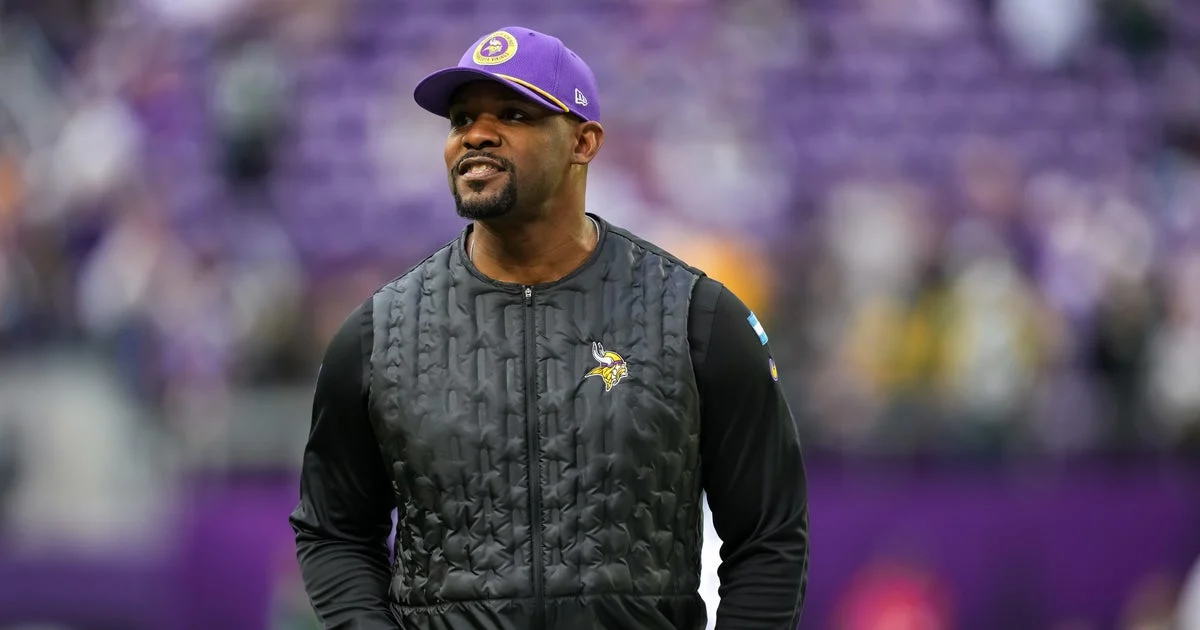
Flores filed the original lawsuit in 2022 against the NFL and three teams—the Miami Dolphins, New York Giants, and Denver Broncos—alleging systemic racial discrimination in hiring practices for coaches and general managers. Flores became the focal point of the suit after being fired by the Dolphins following a 24-25 record over three seasons and being passed over for other coaching jobs despite multiple interviews. He is currently defensive coordinator with the Minnesota Vikings.
Justice Brett Kavanaugh was the sole dissenter at the Supreme Court, stating he would have granted review.
Why it matters
The Supreme Court’s refusal to intervene preserves an important legal pathway for hearing racial discrimination claims against major sports leagues in open court rather than through private arbitration controlled by the league’s leadership. This sets a significant precedent regarding the enforceability of arbitration clauses that may undermine impartial adjudication in workplace discrimination cases.
The decision may influence how courts handle employment disputes involving influential organizations with arbitration provisions that could shield them from public scrutiny.
Background
Brian Flores’ lawsuit brought attention to longstanding concerns about diversity and fairness in NFL hiring practices. The league has faced criticism over its record in hiring minority head coaches and executives. The case has been closely watched as a potential turning point for addressing systemic discrimination within professional sports.
Arbitration has been a common mechanism in sports disputes, often criticized for lacking transparency and fairness when arbitrators are affiliated with league officials. The Flores case challenges this norm by questioning the neutrality of commissioner-led arbitration.
Sources
This article is based on reporting and publicly available information from the following source:
Read more US News stories on Goka World News.