
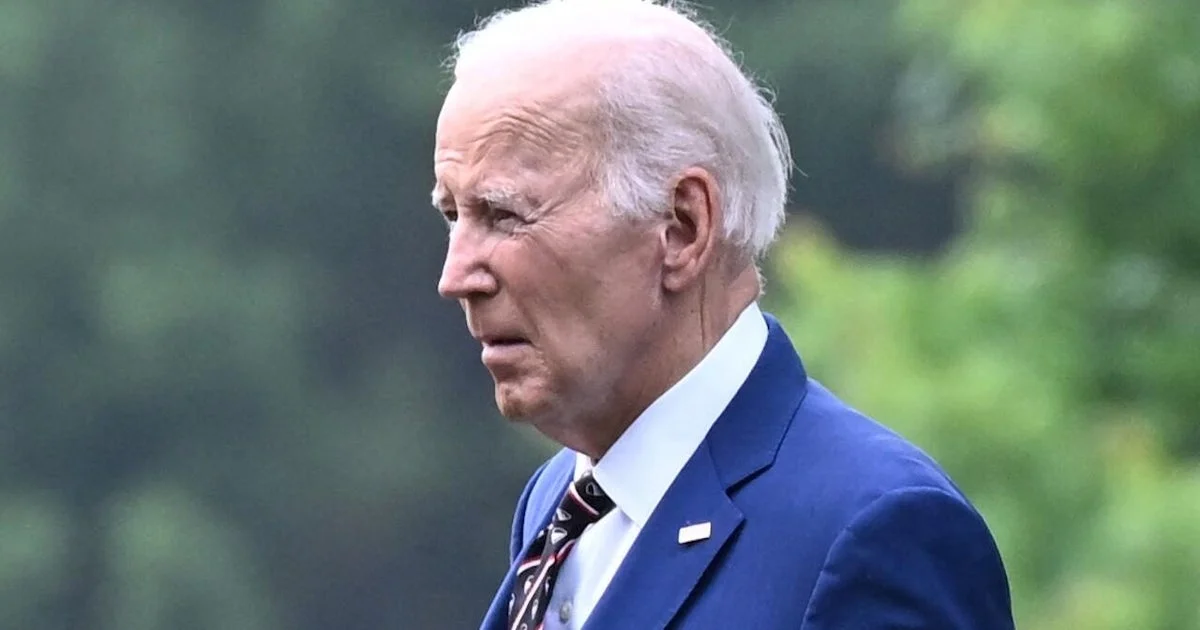
Former President Joe Biden has filed a lawsuit against the Justice Department aiming to block the release of approximately 70 hours of audio recordings and transcripts from interviews he gave to his biographer. These files have become a focal point in a special counsel’s investigation into Biden’s handling of classified documents.
What happened
The lawsuit was filed Tuesday in the U.S. District Court for the District of Columbia. It seeks to prevent the Justice Department from releasing the interview materials to the House Judiciary Committee. The recordings and transcripts stem from interviews with ghostwriter Mark Zwonitzer conducted in 2016 and 2017 for Biden’s 2017 memoir Promise Me, Dad.
Biden and his legal team argue that these materials are exempt from disclosure under the Freedom of Information Act (FOIA). The case follows three prior FOIA lawsuits requesting release of the files, including one by the conservative Heritage Foundation. Earlier this month, Justice Department attorneys informed a judge they planned to release the files with redactions by June 15 unless legally barred.
Biden’s attorneys contend the Justice Department reversed its earlier position without explanation, notifying Biden in February 2026 of its intent to release the recordings. Biden first asserted executive privilege over the files in 2024 amid GOP attempts to access them.
The special counsel investigation led by Robert Hur, appointed in January 2023, probed the handling of classified documents found at Biden’s Delaware home and Washington, D.C. office between late 2022 and early 2023. Hur’s 2024 report concluded that while Biden retained classified materials improperly after his vice presidency, there was insufficient evidence to file criminal charges.
Why it matters
The lawsuit highlights ongoing tensions over access to sensitive materials linked to national security and presidential privacy. The Justice Department’s planned release of interview materials could influence congressional oversight related to classified document handling. Executive privilege claims by Biden underscore the scope of presidential protections against disclosure.
These developments also illustrate differing DOJ approaches across administrations regarding classified information releases. The case revives scrutiny on the procedural and legal boundaries between transparency, FOIA demands, and executive confidentiality.
The situation bears relevance to broader investigations into classified document retention, as similar probes into former President Donald Trump have resulted in federal charges and controversial court rulings on special counsel appointments and report disclosures.
Background
Classified documents were discovered in Biden’s personal and office locations in late 2022 and early 2023, triggering the special counsel probe. The Biden investigation has proceeded alongside a high-profile criminal investigation of Trump’s handling of classified material, which has faced legal challenges including the dismissal of charges.
Since the release of Hur’s report in 2024, Republican lawmakers have pushed for greater transparency, demanding access to Biden’s interview files. Partial excerpts of Biden’s interview with the special counsel surfaced publicly in May 2025. The current lawsuit marks a legal effort by Biden to maintain control over the sensitive audio and transcript materials amid rising political and legal disputes.
Sources
This article is based on reporting and publicly available information from the following source:
Read more Politics stories on Goka World News.