
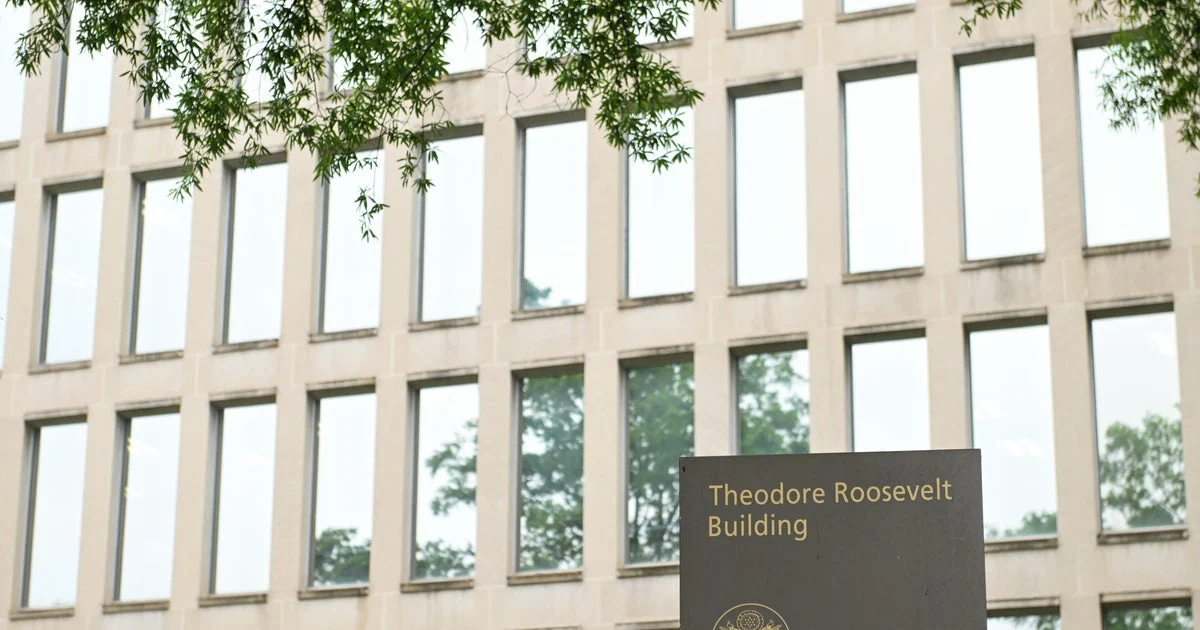
The Trump administration has proposed that all new and current federal employees sign non-disclosure agreements (NDAs) as part of an effort to reduce unauthorized leaks of government information.
What happened
On May 26, the Office of Personnel Management (OPM) published a notice in the Federal Register seeking public comment on a draft NDA that federal agencies could require from employees. The proposed form is intended to formalize employees’ commitment to safeguarding non-public, confidential, or proprietary information obtained during their official duties. However, it explicitly preserves federal employees’ rights to make legally authorized disclosures, including protected whistleblower reports.
The OPM notice states that the NDA does not introduce new speech restrictions but rather documents existing legal obligations. The proposal aims to address concerns over unauthorized disclosures of sensitive internal agency communications, including information related to rulemaking, policy development, and operational details of law enforcement activities.
Examples cited include leaks about a U.S. raid in Venezuela earlier this year and unauthorized disclosures relating to immigration enforcement actions by the FBI and Department of Homeland Security. The proposal comes amidst heightened efforts by the administration to identify and penalize leaks considered harmful to government messaging.
Why it matters
The proposal signals a stricter stance on controlling the flow of sensitive government information, reflecting the administration’s effort to prevent leaks that could compromise operations or reveal internal deliberations. However, legal experts caution that the final impact depends on the NDA’s scope. If the agreement merely reiterates existing restrictions, its effect may be limited. Conversely, if it seeks to broadly restrict employee speech or whistleblowing beyond current legal protections, it could raise significant First Amendment and whistleblower rights concerns.
Legal contributor Jessica Levinson emphasized that federal employees retain constitutional protections when speaking on matters of public concern in a personal capacity, and an NDA should not infringe on those rights. The balance between preventing harmful leaks and protecting lawful disclosures remains a central issue in evaluating this policy.
Background
Leak investigations have intensified under the Trump administration, involving multiple agencies. In January, the FBI seized equipment from a Washington Post reporter amid an investigation into leaked classified information from a government contractor. Additionally, the Pentagon imposed stricter rules on journalists’ access, raising concerns over press freedoms.
The Trump administration’s push for NDAs forms part of a broader effort to reduce unauthorized disclosures perceived as damaging to government operations or messaging. Federal employee unions and press freedom advocates are among those closely monitoring the development.
Sources
This article is based on reporting and publicly available information from the following source:
Read more Politics stories on Goka World News.