
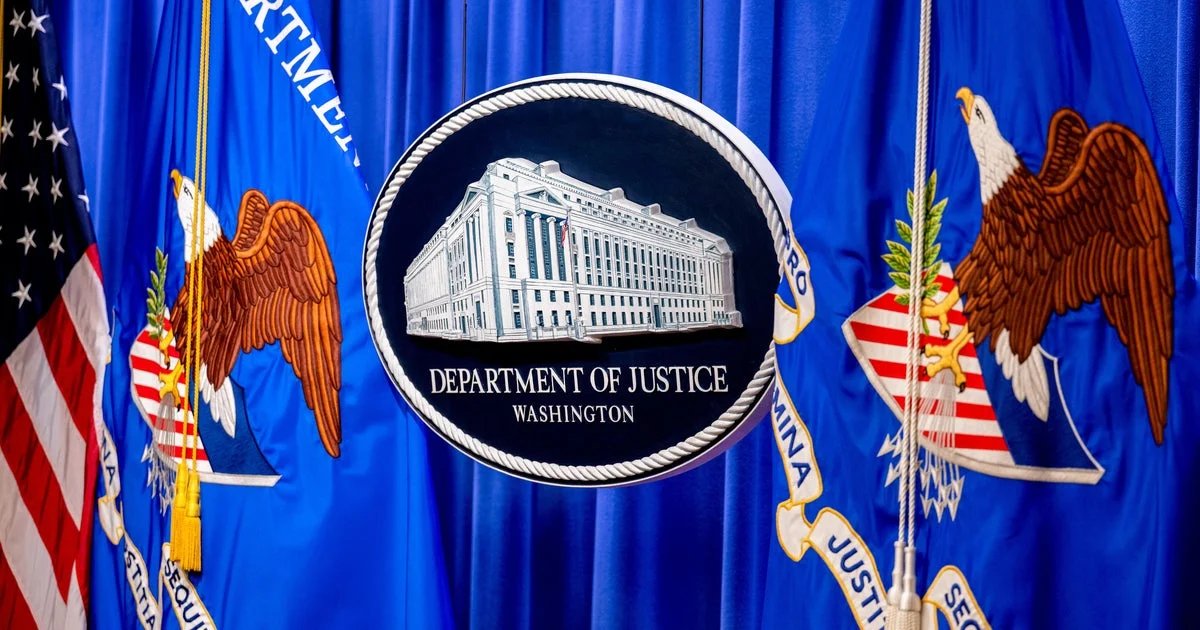
The U.S. Department of Justice (DOJ) plans to expedite the review of whistleblower complaints related to fraud in federally funded benefit programs such as Medicare, federal officials confirmed. This initiative aims to speed enforcement actions and recover taxpayer money more efficiently.
What happened
The DOJ’s Civil Division announced it will fast-track whistleblower cases filed under the False Claims Act, the primary statute for pursuing fraud against government programs. The department will prioritize reviews of these complaints, known as qui tam actions, and make case decisions—whether to investigate further, continue litigation, or dismiss—within a 60- to 120-day period. This represents a faster decision timeline than usual, where dismissals typically take longer than 120 days.
Whistleblowers, or relators, initiate these actions by reporting alleged fraud. If successful, they can receive a portion of the government’s recovery. Assistant Attorney General Brett A. Shumate said accelerating reviews will help “rapidly identify and disrupt emerging schemes” and better allocate enforcement resources.
DOJ officials indicated that they are refining the exact timeline for cases advancing past the initial review. The scope and complexity of each case can affect timing, as some involve thousands of transactions nationwide, said Colin M. Huntley, a former DOJ deputy director of the Civil Fraud Section.
Why it matters
The fast-tracking of benefits fraud complaints reflects the Justice Department’s intensified focus on combating fraud in taxpayer-funded programs, an effort prioritized by the current administration. By making swifter case determinations, the DOJ aims to prevent ongoing fraudulent activity, maximize resource use, and improve taxpayer fund recovery.
This approach also responds to widespread concerns about fraud in healthcare programs, particularly in hospice and home healthcare sectors, which have been the subject of recent investigations highlighting systemic issues. Robust enforcement supports government accountability and deters complex fraud schemes.
Background
The emphasis on fraud enforcement has been a key policy under the current administration, which established a DOJ Fraud Division in April and a fraud task force led by Vice President JD Vance. This focus aligns with ongoing efforts to address vulnerabilities in federal benefit programs.
Separately, states like California have created their own fraud task forces targeting specific abuses such as hospice fraud, where multiple cases and investigations continue. Recent congressional hearings have featured whistleblowers and advocates discussing the problem, highlighting bipartisan concern over mitigating fraud in healthcare.
Sources
This article is based on reporting and publicly available information from the following source:
Read more US News stories on Goka World News.