
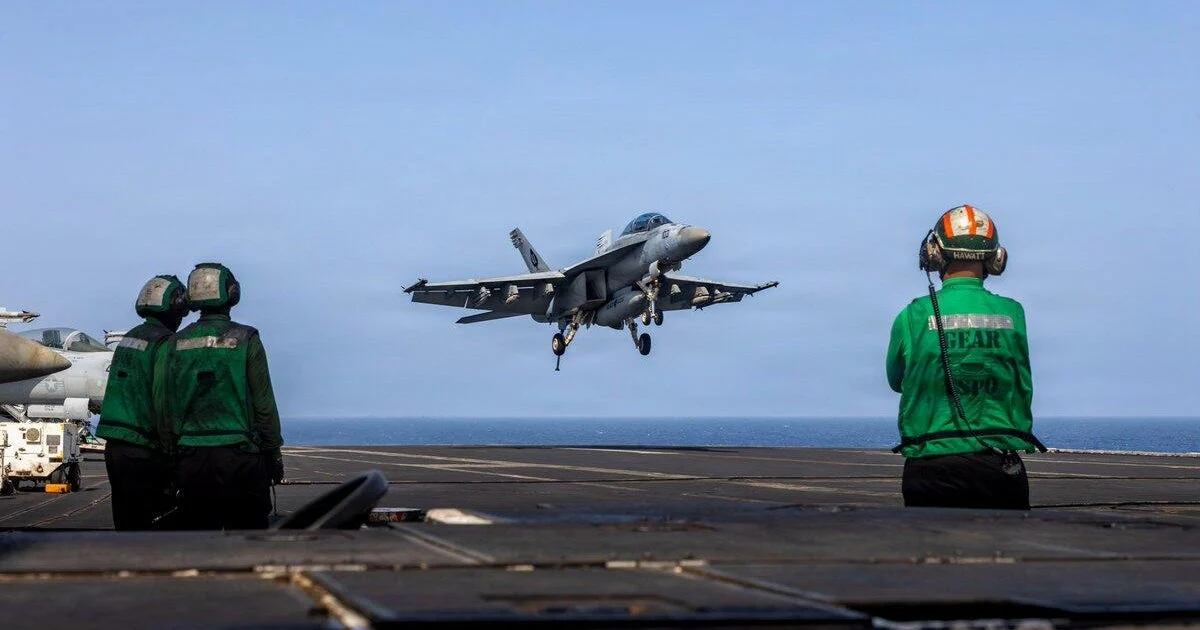
Iran launched a ballistic missile at Kuwait on May 28, 2026, shortly after the United States conducted a second round of air strikes targeting Iranian drone operations. Kuwaiti forces intercepted the missile, and there were no reports of damage to U.S. bases in the region.
What happened
The U.S. Central Command described the recent U.S. strikes as “purely defensive,” carried out after Iranian forces launched five attack drones aimed at U.S. interests near the Strait of Hormuz. The U.S. military intercepted all drones and prevented another launch from Bandar Abbas.
In response, Iran’s Islamic Revolutionary Guard Corps (IRGC) claimed it retaliated by firing a missile toward Kuwait, where several U.S. military installations exist. Kuwait successfully intercepted the missile, and no American personnel or infrastructure were hit. Tehran accused the U.S. of violating a ceasefire agreement and justified its response as retaliation.
President Donald Trump described Iran as “negotiating on fumes,” leaving open the possibility of escalating military action against Iran if talks fail. Meanwhile, U.S. Treasury Secretary Scott Bessent highlighted the economic pressures facing Iran, including sanctions on the Iranian Persian Gulf Strait Authority, the agency responsible for charging tolls on commercial shipping through the Strait of Hormuz.
Diplomatic efforts continue with a tentative 60-day memorandum of understanding proposed to extend the ceasefire and reopen the Strait of Hormuz for international shipping, pending President Trump’s approval. Pakistan’s Foreign Minister is also scheduled to meet with U.S. officials to discuss regional stability and ongoing negotiations.
Why it matters
The Strait of Hormuz is a globally critical maritime chokepoint through which a significant portion of the world’s oil supply passes. Escalations between Iran and the U.S., including missile exchanges and drone strikes, risk disrupting oil shipments and destabilizing regional security.
The missile launch toward Kuwait and U.S. retaliatory actions underscore the fragility of the ceasefire and diplomatic efforts to de-escalate the conflict. Any breakdown could provoke wider military confrontation, impacting global markets and diplomatic relations.
Background
Conflict between the U.S. and Iran intensified in early 2026 following U.S. sanctions and naval blockades aimed at curbing Iran’s nuclear program and regional influence. Tehran has demanded that commercial vessels seek Iranian permission to transit the Strait of Hormuz, a move opposed by the U.S. and its allies who maintain that the strait is international waters.
The U.S. has imposed sweeping sanctions targeting Iranian economic entities and warned against paying tolls imposed by Iran on shipping through the strait. Both sides have traded military actions, including drone attacks and missile launches, while intermittent diplomatic talks attempt to prevent a full-scale war.
Sources
This article is based on reporting and publicly available information from the following source:
Read more World News stories on Goka World News.