
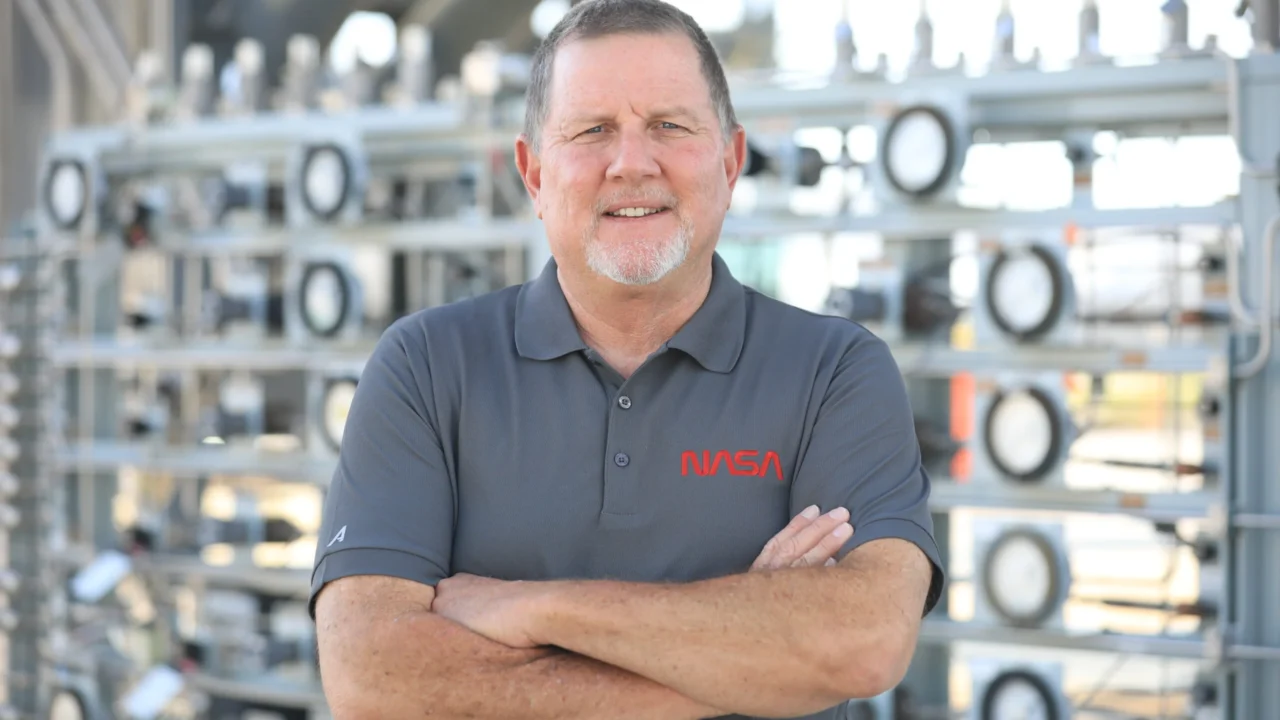
Kenny Heckle, mechanical operations lead at NASA’s Kennedy Space Center Launch Equipment Test Facility (LETF), and 19 of his teammates have transitioned from contractor roles to become NASA civil servants. This move, part of NASA administrator workforce directives, aims to strengthen the agency’s ability to support current and future space missions including Artemis and the Space Launch System (SLS).
What happened
On May 4, NASA formalized the conversion of the LETF team from outside contractors to civil servants. The LETF has been instrumental since the 1970s in testing and validating critical ground support equipment and launch mechanisms at Kennedy Space Center. Over four decades, Heckle has led efforts to test hardware before, during, and after launches for NASA and commercial partners.
Heckle began his NASA career in 1984, leveraging extensive mechanical experience from a family background in fabrication and welding. He has witnessed and contributed to investigations following major shuttle disasters including Challenger in 1986 and Columbia in 2003, performing tests to improve safety and reliability.
More recently, the LETF team played a key role in troubleshooting cryogenic liquid hydrogen leaks during Artemis I and Artemis II wet dress rehearsals, developing procedures that improved launch readiness.
By bringing the LETF team into the NASA civil service workforce, the agency aims to reduce operational barriers, increase efficiency, and secure critical supply lines directly. Heckle noted that this change allows for smoother collaboration and better support of NASA’s complex engineering projects moving forward.
Why it matters
Transitioning LETF staff to civil service ensures NASA retains and controls a vital technical capability essential for testing launch equipment and mitigating risks associated with complex missions. This direct staffing approach reduces reliance on contractors, facilitating faster problem-solving and coordinated responses to technical challenges.
The LETF’s work underpins the safety and success of Artemis missions designed to return humans to the Moon and enables support for future government and commercial space operations. Maintaining in-house expertise enhances NASA’s flexibility and technical readiness in a competitive and evolving spaceflight landscape.
Background
The LETF at Kennedy Space Center serves as a specialized facility where full-scale launch equipment—including umbilicals and release mechanisms—is rigorously tested. Historically, the LETF team operated primarily under contractor status, navigating complex coordination with NASA and multiple subcontractors.
Kenny Heckle joined as a contractor in 1984, witnessing key NASA milestones and setbacks, including shuttle disasters, and contributing to subsequent safety advancements. The Artemis program, NASA’s latest lunar exploration initiative, relies on the LETF for vital cryogenic and ground support testing.
NASA’s workforce directive to convert critical contractor roles marks a strategic effort to consolidate expertise internally, maximizing operational control as the agency pursues increasingly ambitious exploration goals.
Sources
This article is based on reporting and publicly available information from the following source:
Read more Space & NASA stories on Goka World News.