
The U.S. military carried out another strike on a suspected drug smuggling boat in the eastern Pacific Ocean on May 29, killing three people and increasing the death toll in its ongoing campaign above 200.
What happened
U.S. Southern Command, responsible for military operations in Latin America and the Caribbean, confirmed the latest attack, marking the third strike within a week against vessels accused of “narco-trafficking operations.” The military identified the targeted boat as operated by a designated terrorist organization but did not provide supporting evidence.
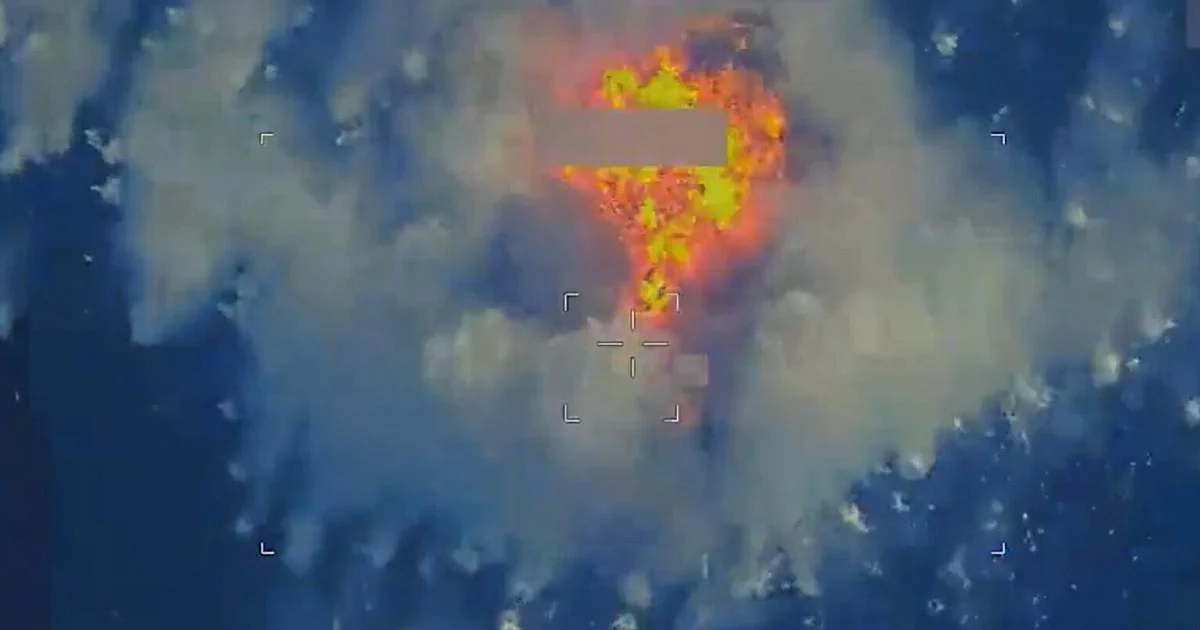
The strike, authorized by Gen. Francis L. Donovan, the top U.S. commander in Latin America, was accompanied by the release of color video footage showing the vessel engulfed in flames amid floating debris in the ocean. This contrasts with prior announcements, which featured black-and-white footage.
This engagement raises the cumulative death toll from the strikes, initiated in early September, to at least 202 people. The campaign aligns with the Trump administration’s declaration of armed conflict against Latin American drug cartels, which it holds responsible for facilitating drug flows into the United States.
Recent increases in the reported death toll stem partly from the disappearance of individuals previously reported as survivors by the military. Legislative scrutiny has also intensified, focusing on the legality of these strikes, particularly following a reported “double tap” attack in September that killed survivors of an initial strike. Some lawmakers question whether that follow-up attack constitutes a war crime.
Why it matters
The U.S. military’s escalating campaign against drug smuggling vessels highlights a sharp expansion of counter-narcotics strategy into direct military engagement, framing drug cartels as terrorist entities and combatants. This approach has significant implications for international maritime law, human rights, and U.S.-Latin American relations.
The rising death toll and reported elimination of survivors raise serious legal and ethical concerns, with lawmakers and experts debating the compliance of such actions with the laws of armed conflict and potential violations constituting war crimes.
The conflict designation by the U.S. government marks a notable shift in policy, potentially setting precedents for how drug trafficking is combated and how military force is justified beyond traditional battlefield environments.
Background
This military campaign against suspected drug boats began in September 2025 under the Trump administration, which declared an armed conflict with Latin American drug cartels. The designation frames traffickers as terrorist organizations, thereby permitting military force in international waters.
Since then, the U.S. has conducted a series of naval strikes in the Caribbean Sea and eastern Pacific Ocean targeting vessels believed to be involved in narcotics trafficking.
The strategy has been controversial, prompting debates in Congress and among legal experts regarding its international law ramifications, especially concerning strikes that have killed survivors and potential civilian casualties.
Sources
This article is based on reporting and publicly available information from the following source:
Read more US News stories on Goka World News.