
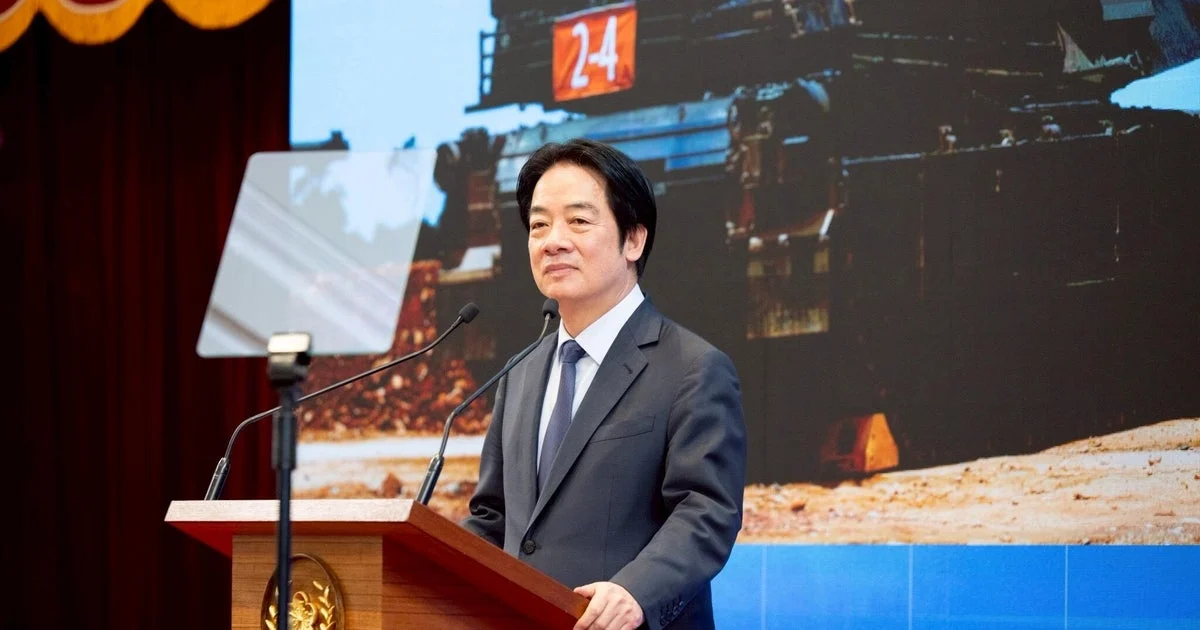
President Donald Trump is no longer expected to hold a phone conversation with Taiwan’s President Lai Ching-te ahead of a potential visit by Chinese President Xi Jinping to the United States this fall, multiple sources familiar with the discussions told CBS News.
What happened
Earlier this month during a visit to China, President Trump was warned by Xi Jinping that Taiwan could become a “very dangerous situation” if mishandled. The issue has raised tensions due to the long-standing dispute over Taiwan’s status. Trump had publicly indicated in mid-May that he intended to speak with Lai before deciding on authorizing a package of defensive military arms sales to the self-governed island. He remarked to reporters that he needed to talk to “the person that right now is… running Taiwan.”
No sitting U.S. president has communicated directly with a Taiwanese leader since 1979 due to diplomatic sensitivities related to China. However, in December 2016, then-president-elect Trump received a congratulatory call from Taiwan’s then-president Tsai Ying-wen. Taiwan’s representative to the U.S. expressed a desire for Lai to present Taiwan’s perspective amid rising Chinese pressure.
A Taiwanese de facto embassy official told CBS News that they were still awaiting communication from the U.S. about any such call. The White House referred to the president’s prior comments on the matter.
China strongly opposes official exchanges between the U.S. and Taiwan or arms sales to Taiwan, maintaining that such actions violate China’s sovereignty. After Trump mentioned the potential phone call, Beijing reiterated its opposition to these moves.
During his China visit, Trump said he discussed the arms sale package “in great detail” with Xi. He suggested the arms sale, which has been “on hold,” might serve as a negotiating tool, depending on China’s actions. The last announced U.S. arms sale to Taiwan was $11 billion in December 2025, while a $14 billion package remains under review awaiting Secretary of State Marco Rubio’s approval.
Why it matters
The delayed call between Trump and President Lai underscores the delicate balance the U.S. seeks to maintain between supporting Taiwan’s defense and managing an increasingly tense relationship with China. Direct communications at the presidential level could escalate diplomatic tensions and risk provoking China.
Taiwan remains a central flashpoint in U.S.-China relations due to Beijing’s insistence on “reunification” and its willingness to use force if necessary. The U.S. arms sales to Taiwan, protected under the 1982 Six Assurances, are critical to Taiwan’s self-defense but also a source of friction with China, which demands the U.S. halt official contacts and weapon deliveries.
Background
The United States formally recognized the People’s Republic of China in 1979 and severed official diplomatic ties with Taiwan in favor of a “One China” policy, though it continues to maintain unofficial relations with Taiwan through the Taipei Economic and Cultural Representative Office (TECRO).
Since then, no sitting U.S. president has spoken directly with a Taiwanese leader to avoid offending China. Arms sales to Taiwan continue as part of U.S. commitments to Taiwan’s security but are often calibrated to avoid provoking major diplomatic incidents.
President Trump invited Xi Jinping to visit the U.S. on September 24, though China has not yet accepted the invitation, signaling that the timing may hinge on progress in managing contentious issues like Taiwan and arms sales.
Sources
This article is based on reporting and publicly available information from the following source:
Read more Politics stories on Goka World News.