
A divided panel of the U.S. Court of Appeals for the D.C. Circuit ruled Monday that the Trump administration’s ban on transgender individuals serving in the military is likely unconstitutional, citing animus toward transgender people as a motivating factor.
What happened
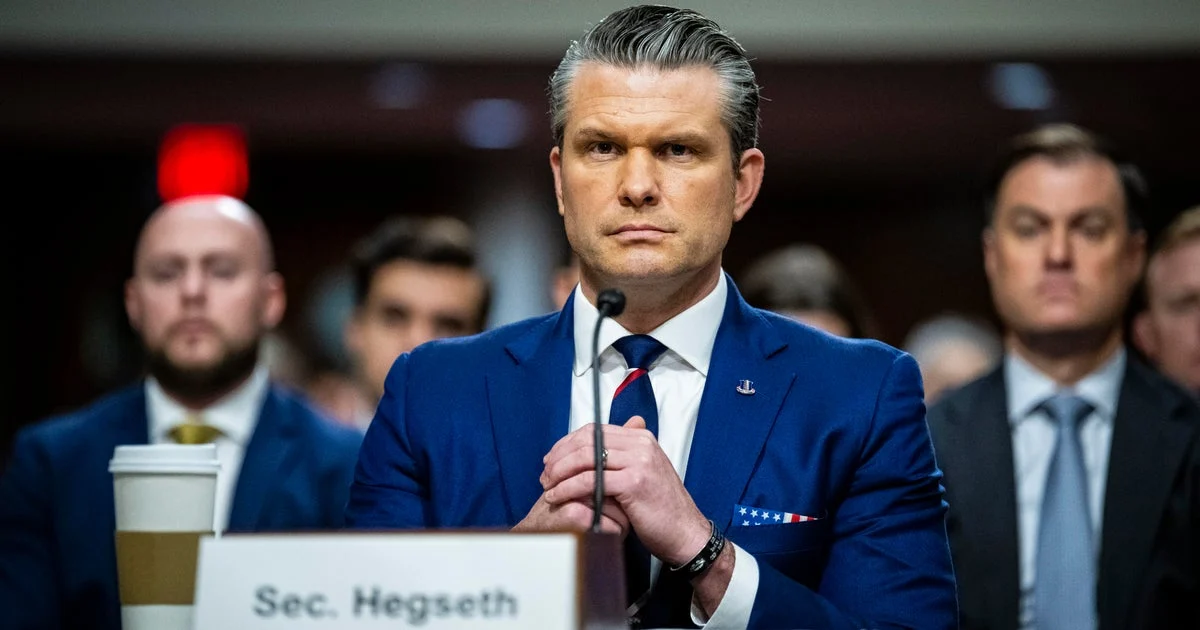
In a 2-1 decision, judges Judith Rogers and Robert Wilkins found that the policy, implemented by Secretary of Defense Pete Hegseth in 2025, likely violated the Constitution’s guarantee of equal protection. The policy prohibited individuals diagnosed with gender dysphoria from serving unless granted a waiver. The court upheld a narrow preliminary injunction preventing the Defense Department from removing transgender service members currently serving.
Judge Wilkins wrote that the policy was “premised, at least in part, on a non-legitimate state interest to harm the politically unpopular group of transgender persons,” noting that former President Donald Trump directly deemed transgender individuals unfit for military service due to their gender identity.
The ruling also allowed some enforcement of restrictions preventing transgender applicants from joining the military, aligning with a dissenting opinion by Judge Justin Walker, who was appointed by Trump. Wilkins and Rogers were appointed by Presidents Obama and Clinton, respectively.
The Trump administration’s policy paused new accessions for transgender individuals and halted medical treatments for active transgender troops shortly after Trump’s second presidential term began. This case was brought by active-duty transgender service members and those attempting to enlist, who challenged the policy as discriminatory.
Why it matters
This ruling is significant as it challenges a policy that restricted military service based on gender identity, potentially paving the way for broader transgender rights in the armed forces. The decision reinforces constitutional protections against discrimination and limits the military’s ability to impose exclusionary medical and service restrictions. It also echoes ongoing legal and political debates over transgender rights in federal policies.
Background
In early 2025, President Trump signed an executive order restricting military service for those with gender dysphoria, citing concerns about military readiness and cohesion. The Defense Department under Hegseth subsequently enacted a policy barring transgender recruits and limiting medical care for transgender troops.
Legal challenges swiftly followed, with courts issuing conflicting rulings on the policy’s enforcement. In May 2025, the Supreme Court allowed the policy’s enforcement to proceed during ongoing litigation. The D.C. lawsuit, filed by over a dozen transgender individuals actively serving or seeking to enlist, claimed the ban was unconstitutional discrimination based on sex and transgender status.
District Judge Ana Reyes initially blocked the policy’s enforcement in March 2025, finding that the ban was likely motivated by unconstitutional animus. The Trump administration appealed and temporarily reinstated enforcement pending this appeals court decision.
Sources
This article is based on reporting and publicly available information from the following source:
Read more Politics stories on Goka World News.