
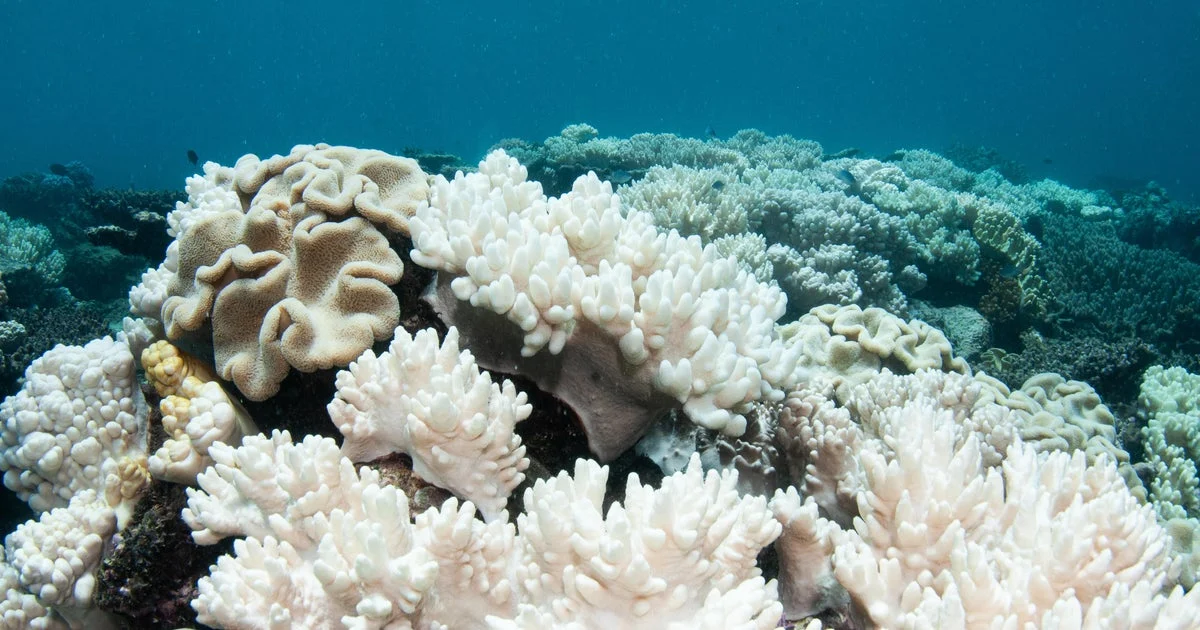
The National Oceanic and Atmospheric Administration (NOAA) warned this week that the anticipated arrival of El Niño in the coming months could spark another significant coral bleaching event, just a year after the previous one ended.
What happened
NOAA’s updated coral bleaching outlook, released Tuesday, forecasts a high risk of widespread coral bleaching this summer across much of the northern Pacific Ocean, including Hawaii. Reefs in Florida and the Caribbean are also predicted to face similar threats. If this event occurs, it would be the fifth global coral bleaching incident recorded in history.
Coral bleaching results when elevated ocean temperatures cause corals to expel the algae that give them color and nutrients, leaving the reefs white and vulnerable. These bleaching events have become more frequent and severe in recent decades, largely linked to climate change.
The last global bleaching event, which impacted a record 84% of the world’s reefs, concluded around mid-2025. NOAA scientists currently expect El Niño to develop before the fall, with the strength of the event influencing the likelihood of triggering another global bleaching episode. Strong El Niño years have historically coincided with global bleaching events since 1998.
Despite the increasing frequency of heat stress on reefs, some coral populations have shown resilience during past bleaching events, prompting NOAA to study factors of heat tolerance to improve restoration efforts.
Why it matters
Coral reefs are critical marine ecosystems supporting about one-fourth of all marine species. Widespread bleaching threatens biodiversity, fisheries, and coastal protection. Frequent bleaching reduces reef resilience and recovery capacity, accelerating ecosystem degradation. NOAA’s forecast highlights that bleaching events are becoming nearly annual, signaling ongoing challenges for coral conservation amid climate change.
Background
El Niño is a climate pattern characterized by periodic warming of sea surface temperatures in the central and eastern Pacific Ocean, influencing global weather and ocean conditions. It is known to elevate ocean temperatures that contribute to coral bleaching. Recent research identified coral reefs as the first major environmental system to pass a climate “tipping point,” underscoring their vulnerability to repeated stress from warming seas.
NOAA’s Coral Reef Watch program monitors reef conditions worldwide to provide early warning of bleaching risks and guide conservation strategies.
Sources
This article is based on reporting and publicly available information from the following source:
Read more Climate & Environment stories on Goka World News.