
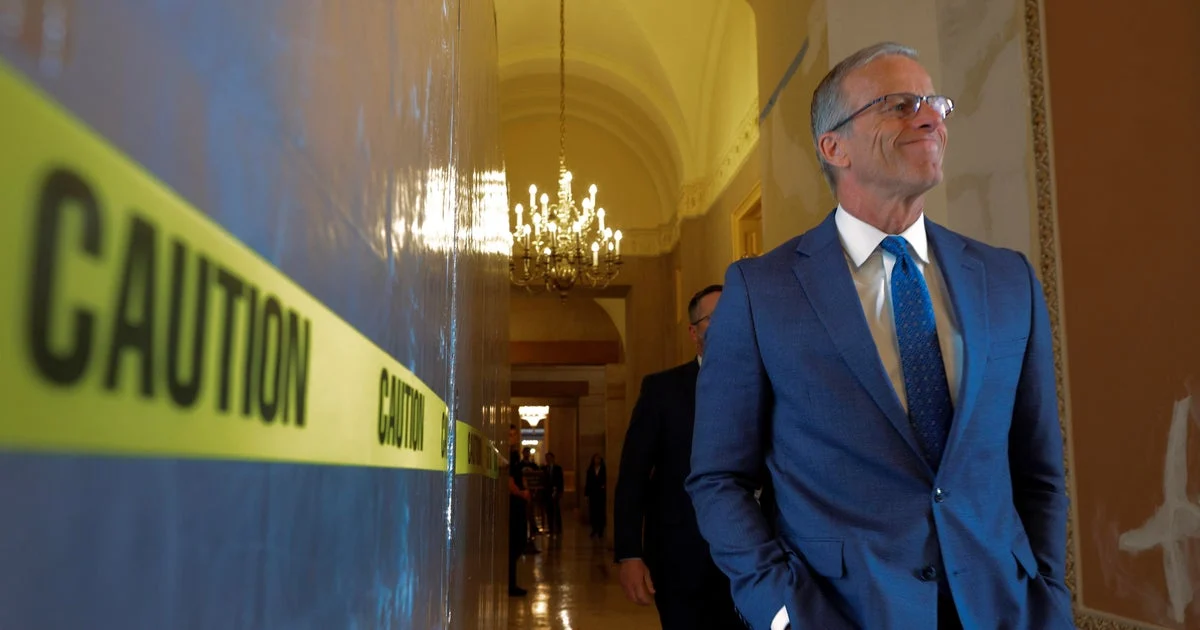
The Senate voted 53 to 46 along party lines on Wednesday to advance a $72 billion reconciliation package financing immigration agencies through fiscal year 2029, removing controversial funding for a White House East Wing ballroom renovation planned by former President Trump.
What happened
The reconciliation bill initially included $1 billion for Secret Service security upgrades, including renovations for Trump’s proposed massive ballroom in the East Wing of the White House. This provision faced scrutiny from several Senate Republicans, leading to its removal in a revised version of the package released Wednesday.
The bill funds the Department of Homeland Security’s immigration enforcement agencies and had been delayed due to disputes over a Justice Department “anti-weaponization” fund. This fund, intended to compensate individuals alleging misuse of federal power, met strong opposition from Republicans and Democrats alike.
Acting Attorney General Todd Blanche testified before the House that the Justice Department is “not moving forward with the fund,” but some GOP senators remain skeptical and seek statutory assurances to permanently eliminate the program. Senators Thom Tillis and John Cornyn voiced ongoing concerns and indicated plans for further amendments.
Despite these reservations, Senate Majority Leader John Thune expressed confidence that Blanche’s testimony under oath would secure enough Republican support to proceed. The legislative process is expected to include a “vote-a-rama” session that could begin Wednesday night or extend into Thursday, featuring multiple amendments, many from Senate Democrats aiming to block the controversial DOJ fund.
Why it matters
The advancement of this funding bill represents a significant step toward resolving longstanding deadlock over immigration enforcement financing, a major policy issue for both parties. Removing the East Wing ballroom funding highlights concerns over fiscal priorities and transparency related to former President Trump’s White House expenditures.
The dispute over the DOJ’s anti-weaponization fund signals continuing partisan tensions about federal overreach, civil rights protections, and government accountability. The reconciliation process allows Republicans to bypass the Senate filibuster, increasing the chances of passage despite Democratic opposition.
Background
Republicans unveiled the $72 billion immigration funding package last month through the Senate Judiciary and Homeland Security committees. The bill aims to fund immigration agencies for several years and had stalled amid controversy over the Justice Department’s proposal to compensate those claiming federal misconduct.
Since early May, Republican senators have sought clear commitments that the anti-weaponization fund would be scrapped, prompting a key meeting with acting Attorney General Blanche. Blanche’s assurance came in a public, sworn hearing but left some Republicans demanding statutory prohibition to prevent the fund’s future revival.
The reconciliation approach is being used to advance the bill without the 60-vote supermajority threshold normally required, reflecting ongoing partisan conflict over immigration and federal spending priorities.
Sources
This article is based on reporting and publicly available information from the following source:
Read more Politics stories on Goka World News.