
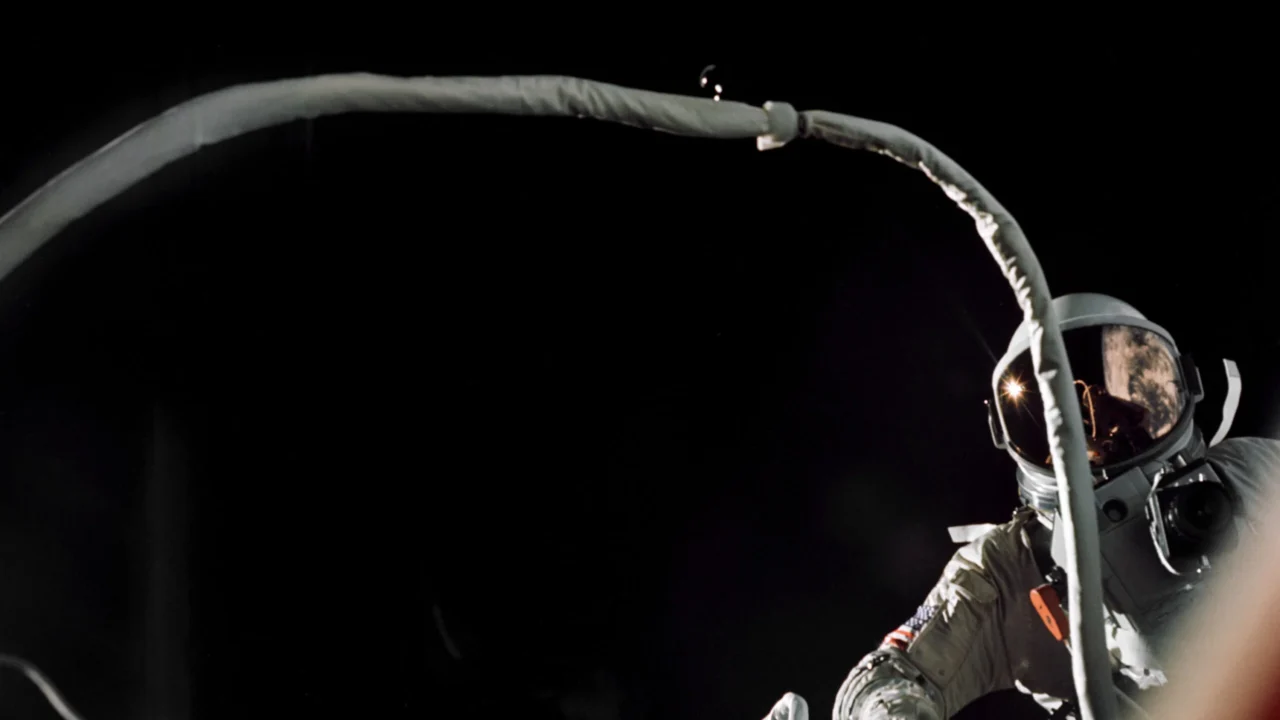
NASA’s second spacewalk, undertaken by astronaut Gene Cernan during the Gemini IX-A mission in 1966, proved far more challenging than the agency’s first. The mission revealed critical issues with spacesuit mobility and astronaut physical endurance that significantly influenced future extravehicular activities (EVAs).
What Happened
On June 5, 1966, Gene Cernan exited the Gemini IX-A spacecraft to perform NASA’s second EVA. Originally planned for Gemini VIII, the spacewalk was postponed after that mission was cut short. Once outside, Cernan encountered intense difficulty moving in his spacesuit, which was extremely rigid and cumbersome. Simple tasks demanded great effort, quickly tiring the astronaut. His helmet fogged up from perspiration, and his heart rate soared to about 180 beats per minute, raising safety concerns. After two hours and eight minutes, with growing risk of unconsciousness, the spacewalk was terminated early.
Key Facts
- Cernan’s EVA took place on the third day of Gemini IX-A’s three-day mission.
- The spacesuit’s rigidity severely limited mobility, making even basic movements exhausting.
- His helmet fogged completely, obstructing his vision during the EVA.
- His heart rate increased drastically, indicating extreme physical stress.
- Upon return, Cernan lost 13 pounds, mostly water weight lost through sweat.
- The experience led to improvements in spacesuit design and EVA training.
Why It Matters
Cernan’s ordeal underscored the physical demands and equipment limitations inherent in spacewalks. The difficulties he endured motivated NASA to improve spacesuit flexibility, cooling systems, and astronaut preparation, steps essential for the success of future space missions, especially lunar surface explorations.
Background
The first American spacewalk was conducted by Edward H. White during Gemini IV in 1965. That EVA was shorter and less physically demanding. Gemini VIII’s early termination delayed the second spacewalk, pushing it to Gemini IX-A. At the time, spacesuits were still evolving, and NASA had limited EVA experience.
Analysis
Cernan’s spacewalk revealed critical shortcomings in spacesuit technology—such as rigidity and inadequate cooling—and showed the risks of overexertion in vacuum conditions. These findings informed the design of more flexible suits with improved life support and temperature regulation. Additionally, astronaut training incorporated more realistic EVA simulations to prepare crews better for future missions.
Who Is Affected
The immediate beneficiaries were NASA astronauts scheduled for future EVAs, particularly those preparing for Apollo lunar missions. Improvements stemming from Gemini IX-A directly enhanced astronaut safety and mission success in extravehicular operations.
Reactions / Official Statements
This information was not confirmed in the reviewed sources.
What Remains Unclear
Details about any specific changes implemented immediately after Gemini IX-A and official NASA responses to Cernan’s experiences were not confirmed in the reviewed sources.
What Comes Next
The lessons from Gemini IX-A informed NASA’s refinements to spacesuit design and EVA protocols, contributing to safer, more effective spacewalks during the Apollo program, including the historic lunar surface EVAs starting in 1969.
Sources
This article is based on reporting and publicly available information from the following source:
Read more Space & NASA stories on Goka World News.