
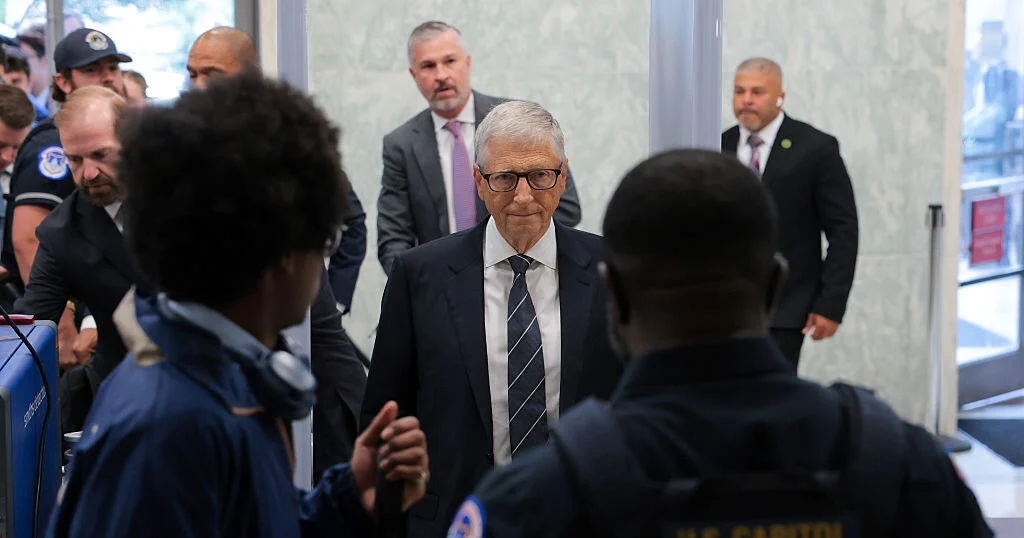
Bill Gates appeared before a House Oversight Committee investigating Jeffrey Epstein and his associates, providing testimony behind closed doors related to his past association with the late financier.
What Happened
On June 10, 2026, Bill Gates, co-founder of Microsoft, voluntarily testified before a congressional panel delving into Jeffrey Epstein’s network. Arriving for a transcribed interview held behind closed doors, Gates delivered a brief opening statement but declined questions outside the hearing room. This hearing follows public revelations about Gates’ relationship with Epstein that have stirred controversy within Gates’ philanthropic foundation.
Key Facts
- Gates acknowledged his relationship with Epstein lasted from 2011 to 2014, according to a prior apology issued in February 2026 to Gates Foundation staff.
- Gates’ spokesperson emphasized that he never witnessed or participated in any illegal conduct by Epstein and welcomed the opportunity to assist in the committee’s work.
- Epstein sent emails in 2013 containing unverified and disputed allegations about Gates’ personal life, which Gates denied as “absolutely absurd and completely false.”
- Further disclosures included Gates admitting to past extramarital affairs, one with a Russian bridge player and another with a Russian nuclear physicist.
- Text messages from 2017 revealed Epstein’s attempts to engage with Gates via an adviser about a donor-advised fund, with Gates’ then-wife reportedly opposing direct communication.
- Gates is among several billionaires and public figures summoned by the committee, including Commerce Secretary Howard Lutnick and former President Bill Clinton.
Why It Matters
This testimony is part of broader congressional efforts to uncover details about Jeffrey Epstein’s extensive network of associates and any possible enabling roles played by high-profile individuals, amid ongoing concerns over justice for Epstein’s victims.
Background
Jeffrey Epstein was a financier whose 2019 arrest and subsequent death triggered investigations into his alleged sex trafficking and exploitation network. The House Oversight Committee conducts hearings to identify individuals connected to Epstein and assess any involvement or complicity in his crimes.
Analysis
Gates’ voluntary cooperation signifies a strategic effort to clarify his involvement amid reputational damage. His testimony aims to distinguish personal relationships from criminal conduct while responding to legal and public scrutiny intensified by Epstein’s criminal allegations and scandals.
Who Is Affected
The investigation directly affects Bill Gates, his philanthropic foundation, Epstein’s victims seeking justice, and the broader political and financial circles implicated within Epstein’s network.
Reactions / Official Statements
Gates released a statement expressing willingness to support the committee’s work and emphasized his hope that his testimony aids in achieving justice for the victims. His spokesperson reaffirmed Gates’ non-involvement in any illegal acts by Epstein.
What Remains Unclear
This information was not confirmed in the reviewed sources: specific details revealed during Gates’ closed-door testimony and any direct implications arising from his interactions with Epstein.
What Comes Next
The House Oversight Committee will continue its investigation, likely engaging additional witnesses and reviewing testimony to build a clearer picture of Epstein’s connections and potential accountability among his associates.
Sources
This article is based on reporting and publicly available information from the following source:
Read more Politics stories on Goka World News.