
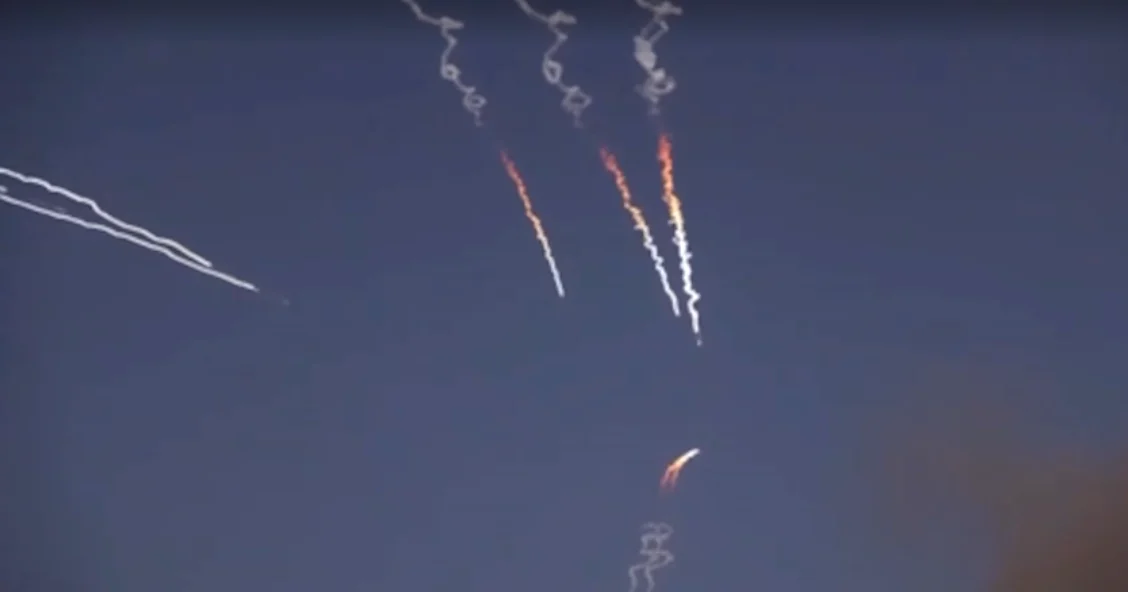
Tensions between the United States and Iran have sharply escalated after an Iranian drone downed a U.S. Army Apache helicopter near the Strait of Hormuz, leading to mutual military strikes and renewed threats from President Trump. Diplomatic efforts continue amid growing instability in the region.
What Happened
On Monday evening, an Iranian attack drone brought down a U.S. Apache helicopter flying near the Strait of Hormuz. The helicopter’s crew was rescued in the first U.S. military operation using a sea drone. In response, U.S. forces launched retaliatory strikes targeting nearly 20 Iranian military sites, including air defenses and radar stations. Iran then retaliated by firing missiles and launching drone attacks against U.S. military bases in Bahrain, Kuwait, and Jordan, where air defenses intercepted the attacks.
Key Facts
- President Trump said Iran has “taken too long to negotiate a deal” and will “pay the price.” He indicated further U.S. strikes may target Iranian power plants and bridges.
- The downed Apache helicopter had an Iranian drone lodged in it, disabling the aircraft.
- Iranian missile attacks on Jordanian and other U.S. military installations reportedly caused no injuries due to successful interceptions.
- A tanker near the Strait of Hormuz reportedly suffered an engine room fire after being hit by a missile, with casualties reported.
- Qatari negotiators arrived in Tehran to continue diplomatic talks with the aim of reaching a U.S.-Iran agreement, though the situation remains unstable.
Why It Matters
The renewed exchange of fire threatens to destabilize an already volatile Middle East region and jeopardizes fragile diplomatic efforts between the U.S. and Iran. The conflict risks broader escalation, potentially impacting global oil supply routes near the strategic Strait of Hormuz.
Background
Tensions between the U.S. and Iran have been high due to disputes over Iran’s nuclear program and regional influence. A U.S. naval blockade and sanctions have strained Iran’s economy. Recent diplomatic efforts, involving intermediaries such as Qatar, aimed at negotiating a deal have faced setbacks due to continued military confrontations.
Analysis
The downing of the U.S. helicopter marks a significant escalation demonstrating Iran’s growing military capabilities with drones. President Trump’s threat of escalating strikes suggests a hardening U.S. stance due to perceived delays in reaching a diplomatic deal. Meanwhile, Iran’s missile and drone attacks underscore their willingness to retaliate, complicating diplomatic progress.
Who Is Affected
The conflict directly involves U.S. military personnel and Iranian forces stationed near the Strait of Hormuz and in Gulf nations hosting American bases. Regional allies such as Bahrain, Kuwait, and Jordan are affected by missile and drone attacks. The international maritime community is also at risk due to disruptions in oil shipping lanes.
Reactions / Official Statements
President Trump declared the U.S. naval blockade “the most successful blockade in the history of naval warfare,” asserting it severely restricts Iran’s economic activity. Iranian officials accused the U.S. of violating the ceasefire agreement and sending contradictory messages that undermine negotiations. Jordan’s military confirmed intercepting multiple Iranian missiles aimed at their bases.
What Remains Unclear
Details on casualties and damage from the strikes remain scarce. The exact state and prospects of the diplomatic negotiations with Qatar’s mediation are not confirmed, especially given the renewed military actions. The potential for further escalation or de-escalation is uncertain.
What Comes Next
President Trump suggested he may order further strikes against Iran. Meanwhile, diplomatic talks continue in Tehran amid heightened tensions. The unfolding events will likely influence U.S. military and foreign policy decisions as well as regional stability in the coming days.
Sources
This article is based on reporting and publicly available information from the following source:
Read more Politics stories on Goka World News.