
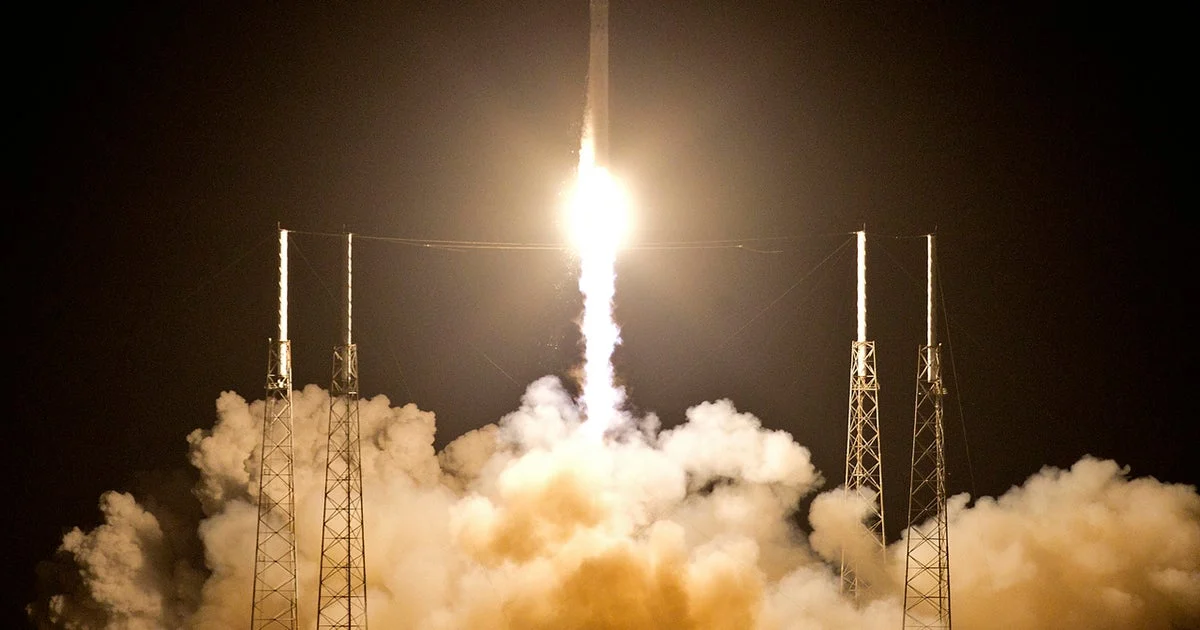
SpaceX is set to go public this week with what is expected to be the largest initial public offering (IPO) ever, giving individual investors an uncommon opportunity to buy shares in the high-profile aerospace and AI company. Unlike many IPOs, SpaceX is allocating a notably large portion of stock to retail investors, potentially broadening its market participation.
What Happened
SpaceX announced plans to price its shares at $135 each ahead of its debut on the Nasdaq Composite Index under the ticker “SPCX.” The company aims to raise about $75 billion, surpassing the previous record set by Saudi Aramco’s IPO in 2019. Notably, about 30% of the offering is reportedly reserved for retail investors, a significant increase over standard allocations.
Key Facts
- SpaceX’s IPO is expected to value the company at $1.77 trillion.
- Around 555 million class A common shares will be available, representing roughly 4.25% of total stock.
- Retail investors can buy shares through brokers including Charles Schwab, E*TRADE, Fidelity, Robinhood, and SoFi.
- Brokerage platforms have varying eligibility criteria, with some requiring minimum net worth or account balances.
- Secondary market access through private-share platforms has decreased due to shareholder reticence ahead of the IPO.
Why It Matters
This IPO is exceptional both for its size and for its unusually broad availability to retail investors. By setting aside a significant share for individual buyers, SpaceX challenges traditional IPO norms that primarily favor institutional investors, potentially democratizing access to high-value tech stocks.
Background
Initial public offerings typically allocate a smaller percentage of shares to retail investors, who usually must rely on institutional funds or private sales to access noteworthy companies. SpaceX, led by Elon Musk, operates at the forefront of space and artificial intelligence, attracting intense investor interest that historically has been limited to high-net-worth individuals and institutional players.
Analysis
Experts highlight that while acquiring shares at the IPO price might offer solid short-term gains, the long-term performance of IPO stocks can be volatile. Studies suggest average first-day returns are positive, but three-year returns from IPO closing prices tend to decline. Market strategists recommend a cautious approach, considering initial price fluctuations and the company’s valuation concerns raised by investment researchers.
Who Is Affected
Retail investors with brokerage accounts through major platforms stand to participate in SpaceX’s IPO for the first time. High-net-worth investors might also purchase shares via private banking relationships. Additionally, institutional investors will absorb the bulk of shares, maintaining traditional market dynamics for large investment funds.
Reactions / Official Statements
SpaceX’s IPO website outlines participation steps for retail investors, emphasizing brokerage eligibility checks and share allocation uncertainty due to supply constraints. Market strategists and investment academics warn of complexities in pre-IPO private share trades and advise less experienced investors to exercise caution.
What Remains Unclear
This information was not confirmed in the reviewed sources: detailed pricing adjustments that might occur before trading begins, and the exact number of shares retail investors will ultimately receive given demand pressures.
What Comes Next
The IPO is scheduled to price soon, with shares trading beginning shortly afterward on Nasdaq. Investors will watch early market performance and may decide to buy or sell based on initial volatility and valuation reassessments. Over time, mutual funds and ETFs may include SpaceX stock, potentially broadening retail exposure further through retirement accounts and index portfolios.
Sources
This article is based on reporting and publicly available information from the following source:
Read more Business stories on Goka World News.