
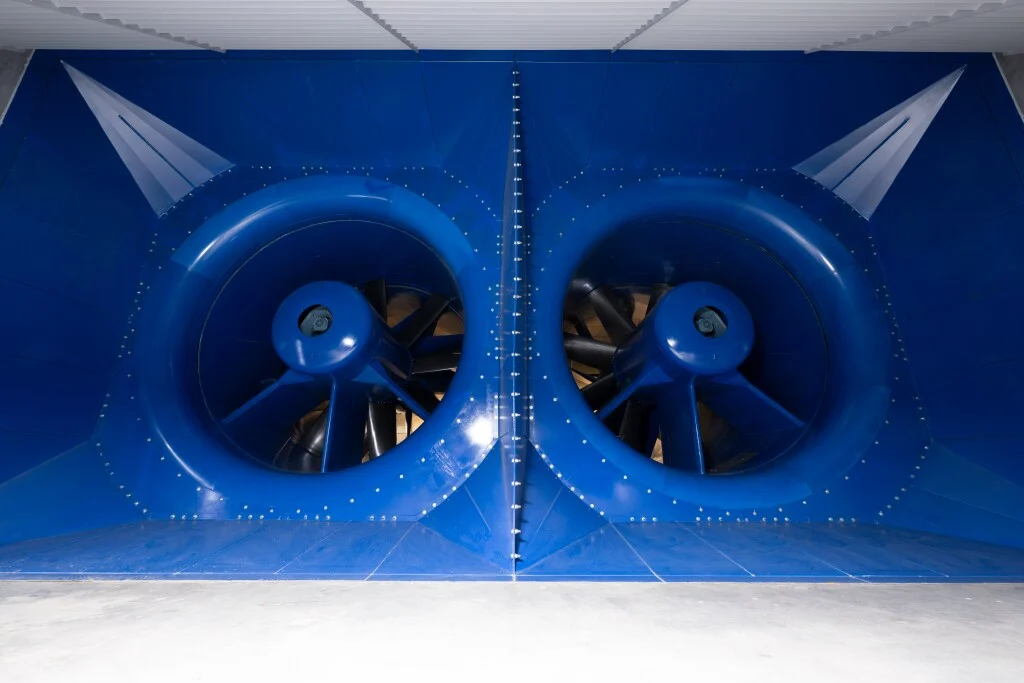
NASA’s Flight Dynamics Research Facility (FDRF) is a key aerodynamic testing center designed to study the stability and control characteristics of aircraft and atmospheric vehicles. Using a vertical, subsonic wind tunnel, the facility supports research into flight dynamics including free-fall, spin, and spin recovery conditions, essential for safe vehicle operations.
What Happened
The Flight Dynamics Research Facility conducts controlled wind tunnel tests within a large vertical test section. These tests focus on how aircraft behave in various flight conditions, such as stability, controllability, and spins, enhancing understanding of vehicle responses to ensure operational safety.
Key Facts
- The FDRF features a vertical test section measuring 20 feet in diameter and 24 feet high.
- It operates at wind speeds ranging from 0 to 172 feet per second (up to 117 mph).
- Dynamic pressure in the facility can reach up to 35 pounds per square foot (psf).
- The Reynolds number achievable is up to 1.1 × 10⁶ per foot, allowing detailed aerodynamic analysis.
- The test environment uses atmospheric air, with temperatures actively cooled to approximately 79° Fahrenheit.
- The overall facility stands at 131 feet tall.
Why It Matters
Accurate testing of aerodynamics and flight dynamics in controlled settings is vital for developing safer, more reliable aircraft and atmospheric vehicles. Data gathered from the FDRF helps engineers design vehicles that can maintain stability and recover from spins or uncontrolled flight conditions, directly impacting aviation safety.
Background
Flight dynamics research facilities like the FDRF have historically provided crucial experimental data to validate flight models and inform the development of new aircraft designs. Unlike traditional horizontal wind tunnels, the vertical orientation of this facility supports free-fall and spin recovery simulation by aligning with the direction of gravity.
Analysis
The FDRF’s ability to replicate subsonic flight conditions and spins in a controlled environment enables researchers to observe vehicle behavior that is difficult or hazardous to test in real flight. Its specialized vertical design is essential for investigating aerodynamic phenomena related to spin and recovery that impact pilot safety and operational procedures.
Who Is Affected
Aeronautical engineers, aircraft designers, pilots, and regulatory agencies benefit from research conducted at the FDRF. Its findings contribute to improved aircraft designs and enhanced flight safety standards that affect both commercial and military aviation sectors.
Reactions / Official Statements
This information was not confirmed in the reviewed sources.
What Remains Unclear
Details about specific recent test campaigns, ongoing research projects, or forthcoming upgrades to the facility were not provided in the reviewed sources.
What Comes Next
The Flight Dynamics Research Facility will continue to support aerodynamic research and testing, contributing to advancements in aircraft design, safety protocols, and flight dynamics understanding. Future developments or expanded test capabilities were not confirmed.
Sources
This article is based on reporting and publicly available information from the following source:
Read more Space & NASA stories on Goka World News.