
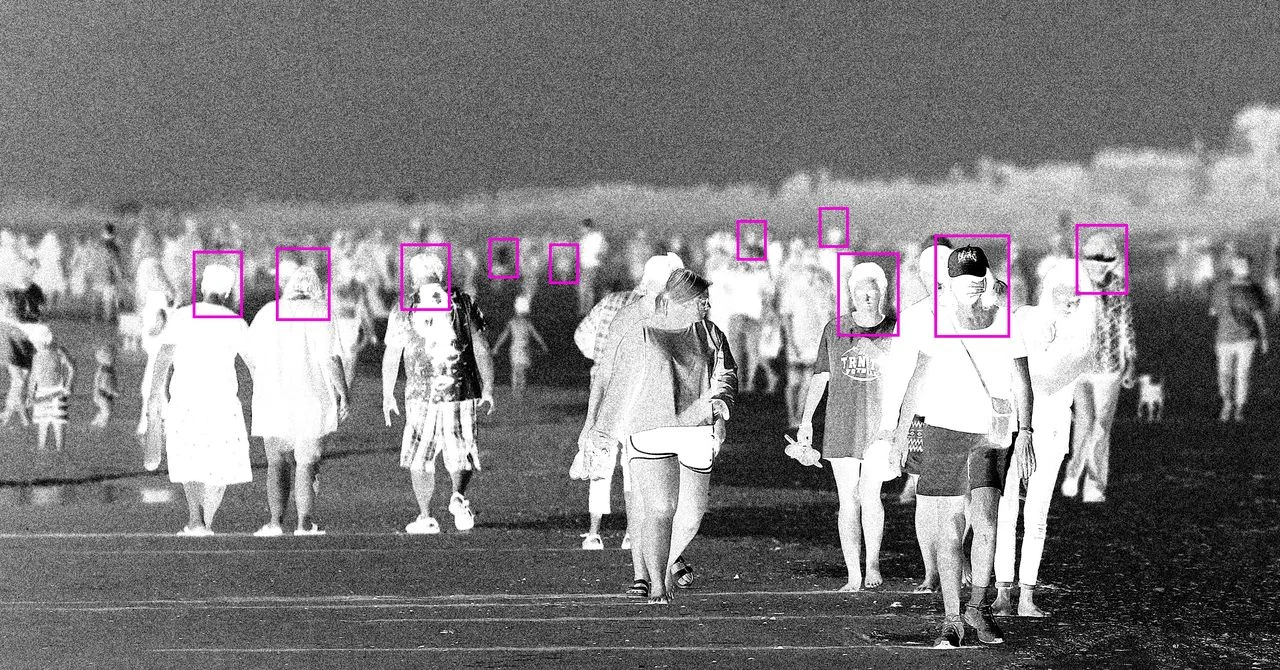
A Florida man, Robert Dillon, was wrongfully arrested in August 2024 after police relied on a flawed facial recognition match from FACES, one of the oldest police face-recognition systems in the United States, operated by the Pinellas County Sheriff’s Office. The incident highlighted significant failures in biometric technology deployment and investigative procedures.
What Happened
On November 2, 2023, a man allegedly attempted to lure a child at a McDonald’s in Jacksonville Beach, Florida. Surveillance images were circulated, and Jacksonville Beach police used the FACES system to identify a suspect. FACES returned a “93 percent match” to Robert Dillon, a commercial crabber living over 300 miles away in Fort Myers, who had never been to the area. Based primarily on this match, a warrant was later issued in July 2024, and Dillon was arrested the following month. He was held overnight, bonded out, and charges were dropped weeks later after he pleaded not guilty.
Key Facts
- FACES system houses tens of millions of Florida mug shots and driver’s license photos, accessible by over 260 agencies at its peak.
- The system returns similarity scores, such as the reported 93%, indicating facial resemblance—not identity certainty.
- Investigative notes revealed license plate reader checks for Dillon’s vehicles in Jacksonville Beach found no presence, but these were excluded from the warrant application.
- The system has been operated since 2001 by the Pinellas County Sheriff’s Office.
- The case is among at least 15 documented wrongful arrests nationwide linked to facial recognition errors.
- The investigating officer was promoted despite the wrongful arrest.
Why It Matters
This wrongful arrest illustrates the risks of reliance on facial recognition algorithms as definitive evidence, rather than as investigative tools requiring corroboration. Dillon’s life was severely disrupted—falling behind on rent, nearly losing his home, and enduring public stigma. The case amplifies calls for police departments to impose stricter oversight, improve policy, and require additional evidence before acting on biometric matches.
Background
FACES is one of the oldest facial recognition systems in the U.S., with minimal oversight historically. A 2016 Georgetown Law study found no audits were conducted on its searches, and reasonable suspicion was not required to run queries. The system has also been controversially used to scan peaceful protesters in Florida.
Analysis
Nate Wessler, deputy director of the ACLU’s Speech, Privacy, and Technology Project, emphasized the dangers of relying on unreliable algorithms for freedom-impacting decisions. He highlighted the need for accountability and policy reforms following multiple wrongful arrests, including a recent case involving an 85% match leading to months of wrongful incarceration.
Who Is Affected
Robert Dillon is directly affected, along with residents across Florida subjected to law enforcement use of FACES. Multiple Florida police agencies and the public are implicated as the technology impacts arrest and investigative processes statewide.
What Remains Unclear
- Whether all affected individuals in similar cases have been notified.
- The full extent of searches and queries performed through FACES without justified cause.
- Comprehensive adoption rates of recommended policies and procedural reforms.
- Any internal disciplinary actions beyond the promotion received by the investigating officer.
What Comes Next
The ACLU lawsuit demands compensatory and punitive damages and requests court orders for an overhaul of police facial recognition policies in Jacksonville Beach, Pinellas County, and affiliated agencies. Further official updates or policy revisions remain pending as the case proceeds.
Sources
This article is based on reporting and publicly available information from the following source:
Read more US News stories on Goka World News.