
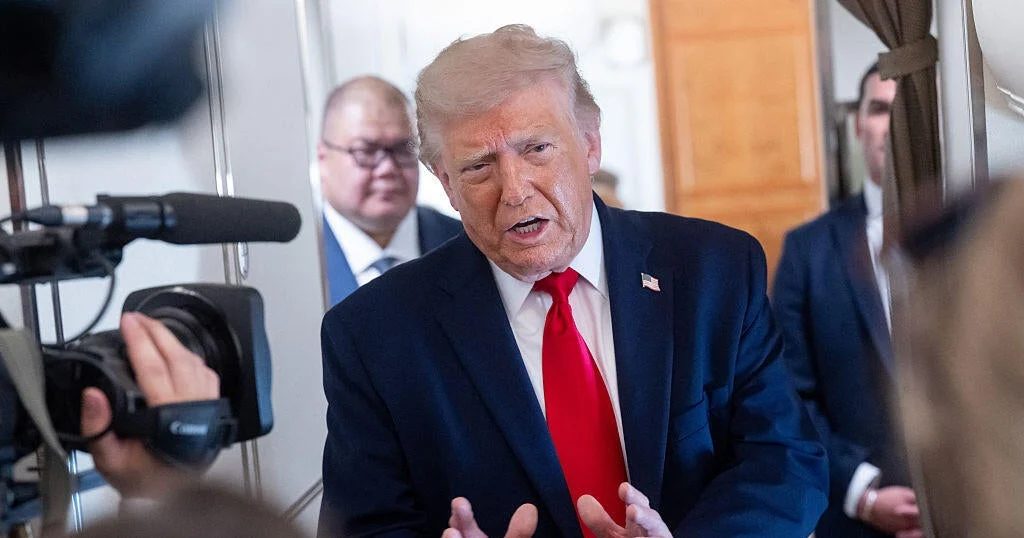
The ongoing U.S.-Israeli conflict against Iran, initiated in late February, has defied early expectations of a prompt resolution. President Donald Trump has repeatedly forecast short timelines for the war’s conclusion, only for the conflict to continue well past those predictions. As discussions of ceasefires and negotiations unfold, efforts to finalize a deal remain in progress with no definitive end in sight.
What Happened
The U.S. and Israel launched offensive operations on Iran on February 28, 2026, aiming to curb Iran’s nuclear program and secure the Strait of Hormuz. President Trump initially promised the conflict would last “four to five weeks,” but as the weeks passed, he gradually adjusted his statements, at times referring to the fighting as an “excursion” rather than a full war. A ceasefire was declared in early April following intense operations, yet sporadic hostilities and unresolved issues have persisted.
Key Facts
- February 28, 2026: U.S.-Israeli offensive against Iran began.
- March 1 to April 1: Trump repeatedly projected a swift war, variously estimating 4-5 weeks or “very soon” for an end.
- April 7: Trump announced a ceasefire lasting two weeks.
- Late April to June: Negotiations continued, with Trump claiming a largely negotiated deal involving Iran and other countries.
- June 9: Trump indicated a deal could be signed within days to end hostilities and reopen the Strait of Hormuz.
- Vice President JD Vance described the deal as “very close” but possibly taking weeks or months.
- Iran has disputed some claims about the deal’s terms and ratification.
Why It Matters
The conflict with Iran and its extended timeline hold significant geopolitical implications, including impacts on global energy markets through the Strait of Hormuz and regional stability in the Middle East. The war and ensuing negotiations influence U.S. foreign policy credibility and regional diplomatic relations amid ongoing nuclear proliferation concerns.
Background
The conflict follows longstanding tensions over Iran’s nuclear program and regional influence. Previous U.S. administrations faced criticism for their handling of Iran, with Trump asserting a need to resolve what he called a “mess” left by past presidents. The Strait of Hormuz is a critical passage for global oil shipments, making control over its accessibility a strategic priority in the conflict.
Analysis
President Trump’s shifting public timelines have highlighted the challenges of predicting the course of complex military and diplomatic engagements. Early assurances of a quick victory sought to reassure domestic and international audiences but underestimated the complexity of achieving a comprehensive agreement with Iran. The ongoing talks demonstrate the interplay between military action and diplomatic negotiations in pursuit of long-term security objectives.
Who Is Affected
The primary participants are the United States, Israel, and Iran, with regional neighbors and global markets also impacted. The conflict affects civilian populations in Iran and potentially disrupts commercial shipping lanes. U.S. citizens face economic ripple effects, such as fluctuations in fuel prices related to the conflict’s developments.
Reactions / Official Statements
President Trump has consistently emphasized the U.S. commitment to achieving a favorable resolution without rushing a deal. Vice President JD Vance acknowledged progress in negotiations but cautioned on uncertain timing. Iranian authorities have both confirmed progress on some issues and denied full agreement on key terms, reflecting ongoing diplomatic complexity.
What Remains Unclear
This information was not confirmed in the reviewed sources: the precise terms of the proposed deal, the definitive timeline for its signing, and how remaining points of contention will be resolved.
What Comes Next
Negotiations are expected to continue with potential announcements of finalized agreements imminent, though the exact timeline remains uncertain. The situation requires monitoring for developments concerning the ceasefire’s extension and implementation of any diplomatic accords.
Sources
This article is based on reporting and publicly available information from the following source:
Read more Politics stories on Goka World News.