
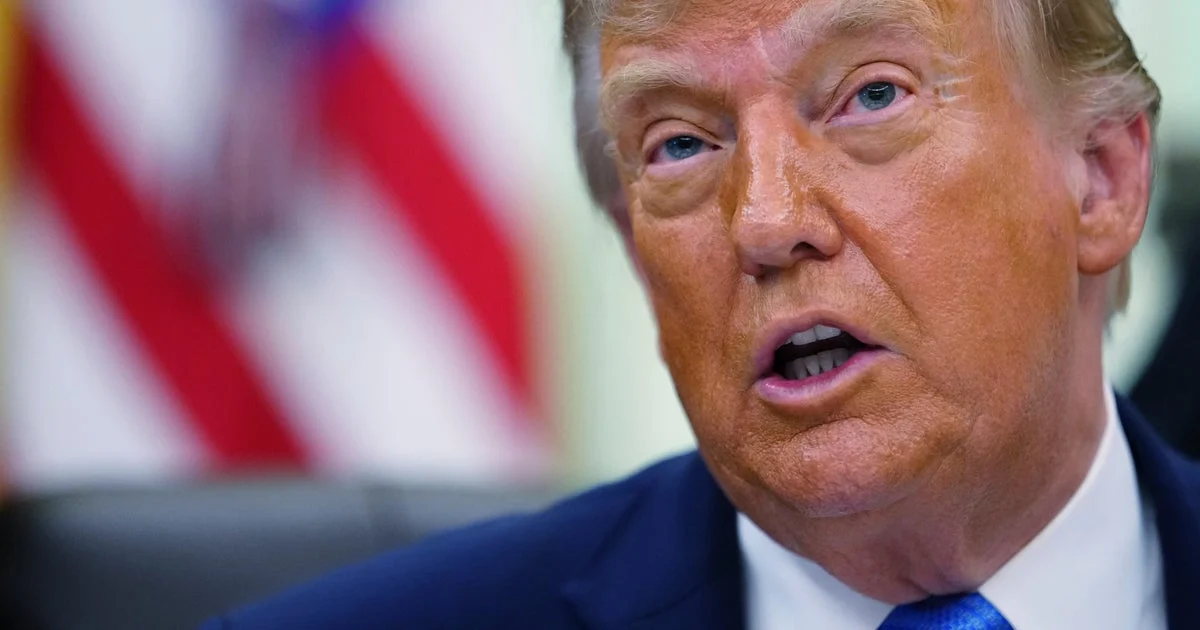
President Donald Trump publicly supported the recent rise in inflation, attributing it to U.S. operations targeting Iranian oil shipments through the Strait of Hormuz. Speaking from the Oval Office, Trump claimed these actions are driving up oil prices but forecast a sharp decline once current conflicts conclude.
What Happened
In a June 10 press interaction, President Trump stated he “loves the inflation” despite the Consumer Price Index (CPI) rising to an annual rate of 4.2%, the highest since April 2023. Trump linked the inflation rise directly to U.S. efforts to intercept millions of barrels of Iranian oil leaving via the Strait of Hormuz, citing a recent secret military operation that targeted 22 ships late at night to prevent Iran from exporting oil. According to Trump, these operations elevated oil prices near $85 per barrel and led to more than 200 commercial ships safely transiting the strait due to U.S. military control.
Key Facts
- The U.S. military allegedly destroyed 22 Iranian ships involved in oil transport, according to Trump.
- The CPI increased to 4.2%, marking the highest inflation reading since April 2023.
- Brent crude oil prices hovered around $94 per barrel as of the report’s timing.
- Trump announced on social media the successful transit of over 100 million barrels of oil and 200 commercial ships through the Strait of Hormuz.
- Federal Energy Information Administration projections indicate gasoline prices may remain elevated, averaging $3.64 per gallon in 2027, in contrast to Trump’s optimistic outlook.
Why It Matters
Inflation directly affects consumer costs, economic growth, and political landscapes, especially in a midterm election year. The impact of oil prices on inflation underscores the strategic significance of U.S. actions in key oil transit routes and how geopolitical tensions can influence the broader economy. Political messaging around inflation is also likely to influence voter sentiment and party control in Congress.
Background
The U.S. has long been involved in efforts to counter Iran’s ability to export oil through the Strait of Hormuz, a critical chokepoint for global energy supply. Oil price volatility has contributed to inflationary pressures worldwide since geopolitical conflicts reignited tensions in the Middle East. Inflation has been a central economic concern for recent U.S. administrations and remains a contentious political issue.
Analysis
President Trump’s framing of inflation as positive reflects a strategic choice to highlight U.S. military strength and control over energy flows, positioning these actions as a foundation for future economic stability. However, elevated inflation typically burdens consumers and can dampen economic confidence. The discrepancy between Trump’s projections and federal forecasts about gasoline prices may complicate public perception and policy debates.
Who Is Affected
American consumers face higher prices driven by inflation, particularly in energy costs. U.S. businesses may also experience increased operational costs linked to oil prices. Politically, both Republican and Democratic parties are affected as inflation shapes voter priorities heading into the midterm elections. Internationally, Iran’s economy faces further pressure due to disrupted oil exports.
Reactions / Official Statements
Democratic leaders immediately criticized Trump’s comments, highlighting his apparent praise for rising consumer costs. Senate Minority Leader Chuck Schumer and House Minority Whip Katherine Clark condemned his remarks as harmful to Americans. Conversely, House Speaker Mike Johnson defended Trump, arguing his words were taken out of context and intended to refer to future economic improvements after the conflict ends.
What Remains Unclear
This information was not confirmed in the reviewed sources: independent verification of the military operations described by Trump, detailed data on the number of barrels intercepted, and longer-term impact projections of these actions on inflation and oil markets.
What Comes Next
Further monitoring of inflation trends and oil prices is expected as geopolitical tensions persist. The U.S. government’s management of the Strait of Hormuz and interactions with Iran will remain pivotal to energy markets. Political discourse will likely continue to emphasize inflation’s economic and electoral implications as the midterm elections approach.
Sources
This article is based on reporting and publicly available information from the following source:
Read more Politics stories on Goka World News.