
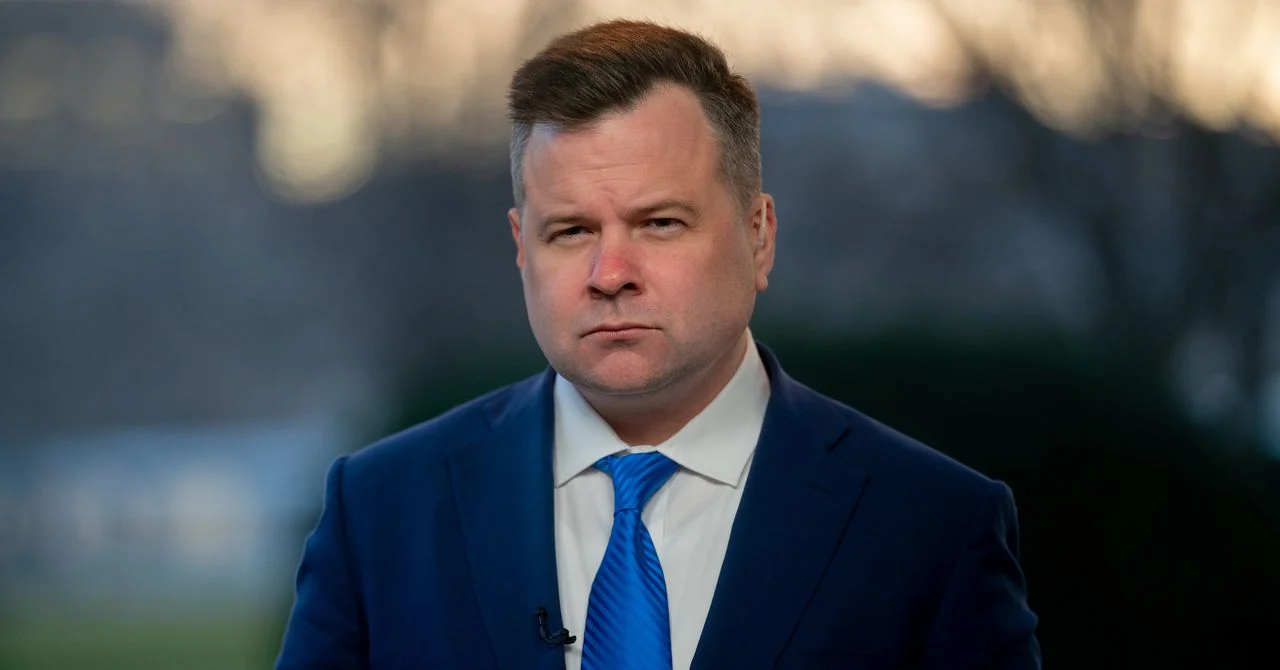
The renewal of Section 702 of the Foreign Intelligence Surveillance Act (FISA), a pivotal warrantless surveillance authority, is at risk of expiring on June 12 after President Donald Trump insisted on appointing Bill Pulte, a housing official without intelligence experience, as acting director of national intelligence. This move has triggered bipartisan opposition in the Senate, jeopardizing the continuation of a program critical to U.S. intelligence and national security, as confirmed by official congressional sources and reporting.
What Happened
Section 702 allows the U.S. government to collect foreign targets’ communications abroad without warrants, while also encompassing incidental data from Americans, which the FBI may search later. The surveillance authority needs reauthorization by June 12 but is stalled due to Trump’s appointment of Bill Pulte as acting director of national intelligence—a position overseeing the program. Despite bipartisan efforts toward renewal, Senate leaders lack the needed 60 votes after seven Republicans opposed the motion, driven by concerns over Pulte’s qualifications and demands for warrant requirements on American data queries.
Key Facts
- Section 702 renewal deadline: June 12, 2026
- Trump appointed Bill Pulte, former Federal Housing Finance Agency head, as acting director of national intelligence
- Section 702 permits warrantless collection of foreign communications, including incidental American data
- Renewal requires 60 votes in the Senate; Republicans hold 53 seats
- Seven Republican senators joined Democrats to block debate on renewal while Pulte’s appointment stands
- Pulte has no national security, intelligence, military, or law enforcement background, violating a post-9/11 legal requirement
- Senate Intelligence Committee and Judiciary Committee chairs have called for contingency planning for a potential collection gap
- FISA court rulings allow surveillance to continue under existing orders until March 2027
- FBI disclosed 39,650 pages of noncompliance records on Section 702, with planned release delayed until mid-August
Why It Matters
Section 702 surveillance is a core tool for national security, responsible for generating about 60% of the President’s Daily Brief. Its lapse threatens intelligence collection during significant events such as the World Cup and the U.S. 250th anniversary. The dispute over Pulte’s appointment has introduced political deadlock preventing reforms advocated by both parties, raising concerns about balancing civil liberties and national security. Continued surveillance without renewal may cause a temporary intelligence gap, but official sources confirm existing FISA court orders keep the program operational for now.
Background
The Foreign Intelligence Surveillance Act’s Section 702 was enacted post-9/11 to bolster intelligence gathering but has faced ongoing criticism for incidental collection of American data without warrants. Previous bipartisan compromises sought to reform aspects including warrant requirements. Pulte’s unusual appointment comes amid allegations he weaponized government resources against Trump’s political adversaries, intensifying opposition from congressional Democrats and some Republicans.
Analysis
Senator Mark Warner, Democratic Intelligence Committee ranking member, criticized Pulte’s lack of national security background and history of political weaponization. House Minority Leader Hakeem Jeffries termed Pulte “deeply unqualified” and “deeply dangerous.” Surveillance policy experts, including Jake Laperruque of the Center for Democracy and Technology, attribute the current deadlock to leadership blocking votes on needed reforms. Senior Republicans warn of national security risks but acknowledge the program may continue temporarily under court orders. Civil liberties advocates highlight the ongoing delay in releasing government records on surveillance compliance as a transparency issue.
Who Is Affected
The impasse affects the entire U.S. intelligence community reliant on Section 702 data for foreign surveillance and counterterrorism. It also impacts American citizens whose communications may be collected incidentally and subsequently subject to FBI queries. Congressional members from both parties, along with federal agencies, are involved in the dispute.
What Remains Unclear
- Whether Congress will pass any extension before the June 12 deadline
- The full scope and impact of Section 702-related government surveillance abuses referenced in secret FISA court opinions
- The percentage of federal agencies’ adoption of planned reforms, including possible warrant requirements
- Complete details and timelines for the release of FBI noncompliance records on Section 702
What Comes Next
Negotiations continue with some Senate leaders pressing the administration to withdraw Pulte’s appointment and nominate a Senate-confirmed permanent director of national intelligence. Republican chairs of the Senate Intelligence and Judiciary committees are urging contingency plans, including possible executive orders, to avoid intelligence collection gaps. The FBI is scheduled to begin releasing Section 702 noncompliance documents in mid-August.
Sources
This article is based on reporting and publicly available information from the following source:
Read more Politics stories on Goka World News.