
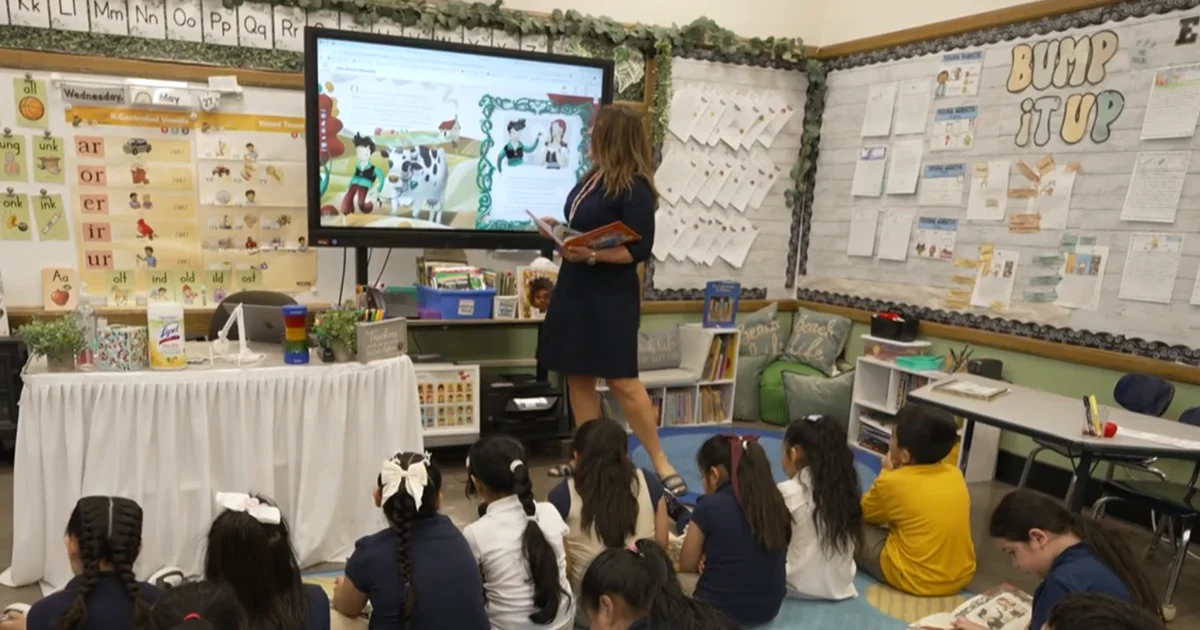
Teachers in Plainfield, New Jersey, and across the United States are increasingly relying on second jobs to make ends meet amid rising inflation. Many educators report financial struggles despite their dedication to teaching, highlighting economic pressures on public school employees.
What Happened
In Plainfield, New Jersey, Christine Regal, a 54-year-old public elementary school teacher with 26 years of experience, supplements her income with multiple side jobs. Besides her teaching duties, Regal works breakfast and lunch duty, tutors students after school, and holds a part-time job at the Cheesecake Factory. This situation reflects a broader trend identified in the national Walton Family Foundation‑Gallup Teaching for Tomorrow report released in March 2026. The report found that 71% of surveyed K-12 public school teachers hold at least one second job, and 21% are struggling financially.
Key Facts
- Christine Regal spends as much as $1,500 annually from her own funds on classroom supplies.
- The U.S. Labor Department reported a 4.2% annual inflation rate in May 2026, the highest since April 2023.
- The Walton Family Foundation-Gallup survey revealed that 71% of public school teachers work second jobs.
- 21% of teachers surveyed reported difficulty managing finances.
- Regal pays approximately $70 for gas and $160 for two grocery bags amid inflation.
Why It Matters
These financial challenges impact teachers’ ability to focus fully on education and maintaining robust classroom environments. Personal expenditures on supplies and side hustles to support living costs reflect economic strains that may affect teacher retention and morale.
Background
This financial pressure on teachers is part of an ongoing issue exacerbated by rising inflation rates and stagnant public school salaries. The Consumer Price Index’s rise in May to 4.2% annually illustrates increased costs in everyday expenses like fuel and groceries, compounding pressures on educators’ budgets.
Analysis
Christine Regal expressed to CBS News the widespread impact of inflation on routine costs, highlighting how rising prices hit multiple aspects of daily life. She noted the difficulty in managing expenditures for necessities and the increased financial burden teachers bear in supplementing classroom resources.
Who Is Affected
Public school teachers across the United States—particularly those committed to long-term teaching careers—are directly impacted. Local communities served by these educators also feel the effects as classroom resources increasingly depend on teachers’ out-of-pocket contributions.
What Remains Unclear
- The report and statements did not specify the geographic distribution or demographic breakdown of teachers working second jobs beyond the Plainfield example.
- Details regarding long-term solutions or policy responses to this financial strain were not provided.
What Comes Next
This information was not confirmed in the reviewed sources.
Sources
This article is based on reporting and publicly available information from the following source:
Read more US News stories on Goka World News.