
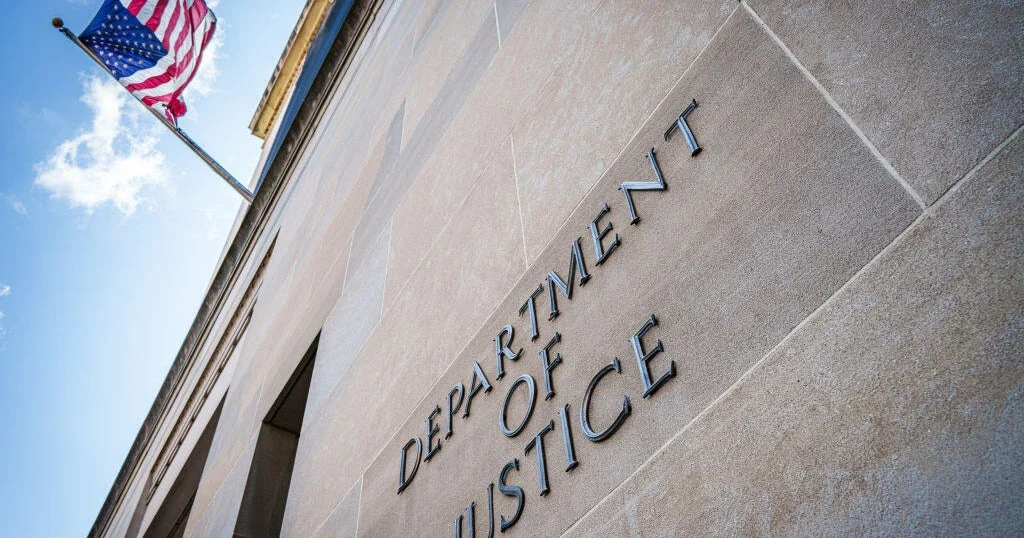
A federal judge refused on June 10, 2026, to issue a temporary restraining order blocking the Trump administration’s $1.776 billion anti-weaponization fund, following assurances from Acting Attorney General Todd Blanche that the fund would not move forward. However, U.S. District Judge Richard Leon warned the Justice Department not to mislead the court regarding the fund’s status.
What Happened
U.S. District Judge Richard Leon denied a request from the watchdog group Citizens for Responsibility and Ethics in Washington (CREW) to halt the anti-weaponization fund, a financial mechanism created as part of a settlement related to President Trump’s lawsuit against the IRS over leaked tax returns. The decision came during a court hearing on June 10, 2026, where the Justice Department argued that since Blanche testified last week stating the department is “not moving forward with the fund,” the lawsuits challenging the fund have become moot.
Leon emphasized that while he was accepting the government’s position, he issued a stern warning not to “play possum” with the court about the future of the fund. The judge also said he would later consider whether to grant CREW’s request for a preliminary injunction.
Key Facts
- The anti-weaponization fund was established with $1.776 billion to pay claims from alleged victims of government persecution related to the Trump administration.
- Acting Attorney General Todd Blanche testified before Congress that the Justice Department is not moving forward with the fund.
- The case involves CREW’s lawsuit claiming the fund is “brazenly illegal.”
- No members of the five-person board to administer the fund have been appointed.
- No claims have been filed, and no money has been disbursed from the fund.
- Judge Richard Leon emphasized the political context by noting President Trump has not declared the fund defunct and may be retaining option for political reasons.
Why It Matters
The ruling marks an early judicial win for the Justice Department amid multiple lawsuits challenging the legality of the fund. It signals cautious acceptance by a federal court that the fund, as it currently stands, is inactive but preserves the court’s ability to intervene if the department changes course. This has implications for government accountability and oversight regarding the use of large allocated sums in politically sensitive cases.
Background
The anti-weaponization fund was created as part of a settlement deal tied to President Trump’s lawsuit against the IRS for leaking his tax returns. The fund’s purpose is to compensate individuals claiming persecution by government agencies during the previous administration. The initiative has faced bipartisan criticism, with Democrats viewing it as a potential “slush fund” for Trump allies. Before the courtroom decision, Blanche testified to Congress confirming the department’s intention not to proceed. However, the fund’s legal status remains formally in place.
Analysis
During the hearing, lawyer Nikhel Sus representing CREW argued that Blanche’s verbal statement does not legally rescind the fund’s establishment, since no formal written modification has been issued. The Justice Department’s attorney Andrew Block contended the case is moot, as the fund is not operational, no appointments have been made, and no mechanisms activated. Judge Leon acknowledged the unusual nature of the case and highlighted potential political motivations behind the fund’s retention, indicating the need for vigilance from the court.
Who Is Affected
The parties directly affected include individuals who could potentially file claims against the government for alleged persecution, advocacy groups such as CREW challenging the fund’s legality, the Justice Department tasked with managing or dissolving the fund, and political figures including former President Trump, given the fund’s origins in his tax return lawsuit. The broader governance and legal oversight communities are also stakeholders due to the fund’s implications for government accountability.
What Remains Unclear
- Whether the Justice Department will formally rescind the fund by written order.
- Whether President Trump will publicly declare the fund dead or pursue its revival.
- The outcome of CREW’s request for a preliminary injunction against the fund.
- Any future judicial rulings on related lawsuits challenging the fund’s legality.
What Comes Next
Judge Leon will decide on CREW’s preliminary injunction request in a separate ruling. The Justice Department has yet to finalize the fund’s status through written procedures or formal declarations. Further court hearings on the fund’s legal challenges are anticipated as lawsuits remain active.
Sources
This article is based on reporting and publicly available information from the following source:
Read more Politics stories on Goka World News.