
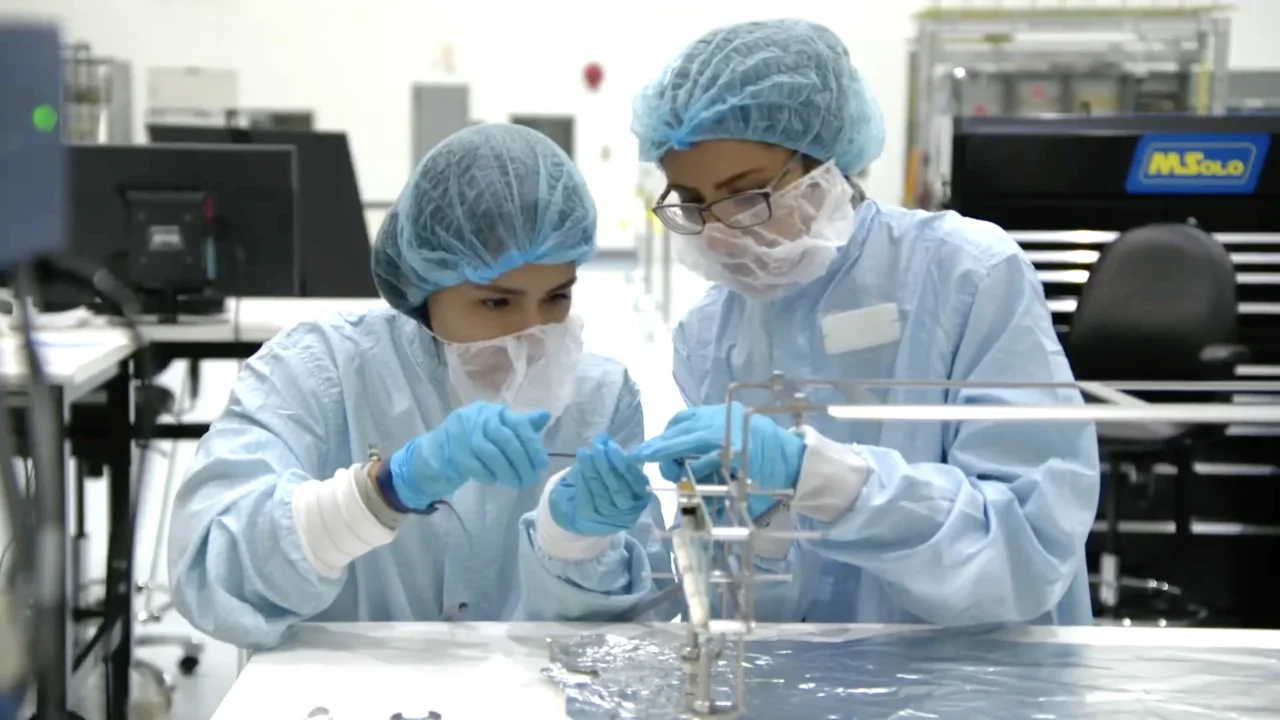
NASA has announced the opening of its Minority University Research and Education Project Space Technology Artemis Research (M-STAR) application window, aimed at accelerating academic research and technological development in space exploration. This initiative is designed to enhance minority-serving institutions’ capabilities in scientific and engineering research tied to NASA’s Artemis missions to the Moon, Mars, and deep space.
What Happened
The M-STAR funding opportunity was officially opened by NASA on Thursday, with applications accepted until 11:59 p.m. EDT on Tuesday, Aug. 11. The program is administered by NASA’s Office of STEM Engagement and supports the agency’s Space Technology Mission Directorate. It invites eligible minority universities to submit proposals that develop innovative space technologies and expand aerospace research capacity.
Key Facts
- M-STAR stands for Minority University Research and Education Project Space Technology Artemis Research.
- Application window: Opened Thursday, closes Aug. 11 at 11:59 p.m. EDT.
- Administered by NASA’s Office of STEM Engagement and Space Technology Mission Directorate.
- Focus areas include development of space technologies for Moon, Mars, and deep space exploration.
- Encourages enhanced faculty and student engagement in aerospace research at minority institutions.
- Supports NASA’s Artemis program priorities.
Why It Matters
The M-STAR program aims to build research capacity at minority-serving institutions, fostering diverse talent and accelerating innovation in space technology. By strengthening participation in NASA’s Artemis and deep space initiatives, M-STAR cultivates a workforce equipped for future exploration missions and strengthens U.S. leadership in aerospace technology.
Background
This funding opportunity is part of NASA’s broader effort through the Office of STEM Engagement and the Space Technology Mission Directorate to cultivate educational and research ecosystems that align scientific innovation with workforce development. The Artemis program, NASA’s lunar exploration effort, inspires this initiative by highlighting technology needs for Moon and Mars missions.
Analysis
NASA officials emphasize that M-STAR not only provides financial support but also encourages minority institutions to enhance their scientific capabilities and competitiveness. According to NASA’s STEM Engagement office, this dual approach helps ensure future research excellence and advances critical technologies needed for upcoming space missions.
Who Is Affected
Minority-serving universities, faculty, and students directly benefit from this initiative. The broader aerospace community will gain from the infusion of diverse ideas and innovation fostered by the expanded research capacity at these institutions.
What Remains Unclear
This information was not confirmed in the reviewed sources.
What Comes Next
NASA will review M-STAR proposals after the Aug. 11 deadline and award grants to selected institutions to begin funded research projects advancing space technology aligned with Artemis mission goals.
Sources
This article is based on reporting and publicly available information from the following source:
Read more Space & NASA stories on Goka World News.