
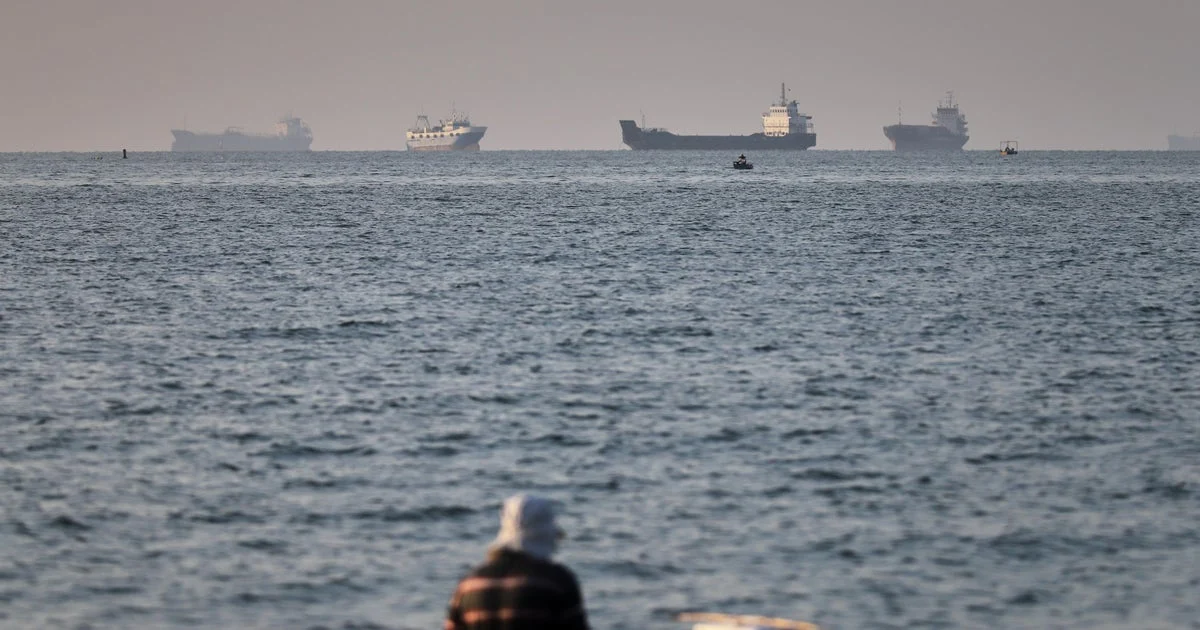
The United States and Iran are poised to sign a memorandum of understanding (MoU) early next week, signaling the start of formal negotiations toward a more permanent agreement on Iran’s nuclear program and regional issues. This prospective deal aims to reopen the Strait of Hormuz and initiate a 60-day negotiation period, with the potential for extension.
What Happened
Sources familiar with the diplomatic efforts indicated that the MoU between the U.S. and Iran is likely to be signed soon, possibly even over the weekend, with an official announcement expected shortly. The signing is set to open a 60-day negotiation window to finalize a durable U.S.-Iran agreement. The negotiations include commitments from Iran concerning nuclear activities and regional security, along with staged financial relief from sanctions. President Donald Trump announced on June 11, 2026, via Truth Social that he had canceled planned military strikes against Iran following agreement on the deal’s final points.
Key Facts
- The MoU aims to ensure freedom of trade by securing demining efforts and opening the Strait of Hormuz.
- Iran would commit to a 15- to 20-year lockout on uranium enrichment and dismantle certain nuclear sites.
- Financial relief to Iran would be phased and contingent on compliance.
- U.S. intelligence assesses Iran has not acquired a nuclear weapon but sought to reach threshold capability.
- Israel has a differing intelligence assessment but has not formally commented on the deal.
- President Trump plans not to attend the signing; Vice President JD Vance will represent the U.S.
- The MoU mentions addressing Iran-backed Hezbollah’s role in the Lebanon conflict, though details are limited.
- U.S. Secretary of State Marco Rubio testified that phase two of the deal involves strict controls on Iran’s highly enriched uranium.
- The Fars News Agency quoted Iranian sources denying official agreement or approval of the MoU text as of the announcement.
Why It Matters
This MoU could significantly reduce tensions in the strategically vital Persian Gulf region by reopening the Strait of Hormuz to international shipping, a crucial artery for global oil trade. It also lays the groundwork for controlling Iran’s nuclear capabilities, adding stability to a region where conflict threatens international energy supplies and regional peace. The deal’s impact on Lebanese-Israeli tensions, via Hezbollah’s involvement, highlights its broader regional security implications.
Background
Previous U.S.-Iran tensions over nuclear development increased when the U.S. and Israel bombed Iranian nuclear sites at Fordow, Natanz, and Isfahan in June of the prior year. Iran has resisted full access by International Atomic Energy Agency (IAEA) inspectors, contributing to international suspicion. Recent escalations involving Hezbollah in Lebanon, including Israeli ground and air operations, threatened regional stability and risked undermining U.S. diplomatic efforts to foster Israeli-Lebanese cooperation against militant groups.
Analysis
President Trump emphasized in the Oval Office that Iran would agree to never develop or acquire nuclear weapons under the deal terms. Secretary Rubio highlighted to the Senate the critical phases, particularly relating to uranium disposition and long-term enrichment restrictions. Iranian sources, however, challenged the president’s statement by denying any finalized understanding on the initial MoU text, indicating ongoing disagreements within Iran’s negotiating team. Israeli leadership has yet to comment publicly despite consultations with Trump.
Who Is Affected
This agreement most directly affects Iran and the United States, but also has significant implications for Middle Eastern countries such as Israel, Lebanon, and Arab states involved in the regional security dialogue. Commercial shipping interests benefiting from unobstructed passage through the Strait of Hormuz will also be impacted.
What Remains Unclear
- Whether the MoU text has been fully agreed upon or approved by Iranian negotiators remains unconfirmed.
- The precise terms and scope of Hezbollah’s mention and any commitments related to Lebanese security are unspecified.
- Israel’s official response to the potential deal and its assessment of Iran’s compliance commitments are still pending.
- The exact timing and venue of the signing are awaiting public announcement.
What Comes Next
Following the MoU signing, a 60-day negotiation period will commence to finalize details of the broader U.S.-Iran agreement, with possible extensions. President Trump is expected to attend the upcoming G7 summit in France, where trade disruptions linked to Middle East conflicts will be discussed. Vice President JD Vance will reportedly represent the U.S. at the memorandum signing.
Sources
This article is based on reporting and publicly available information from the following source:
Read more Politics stories on Goka World News.