
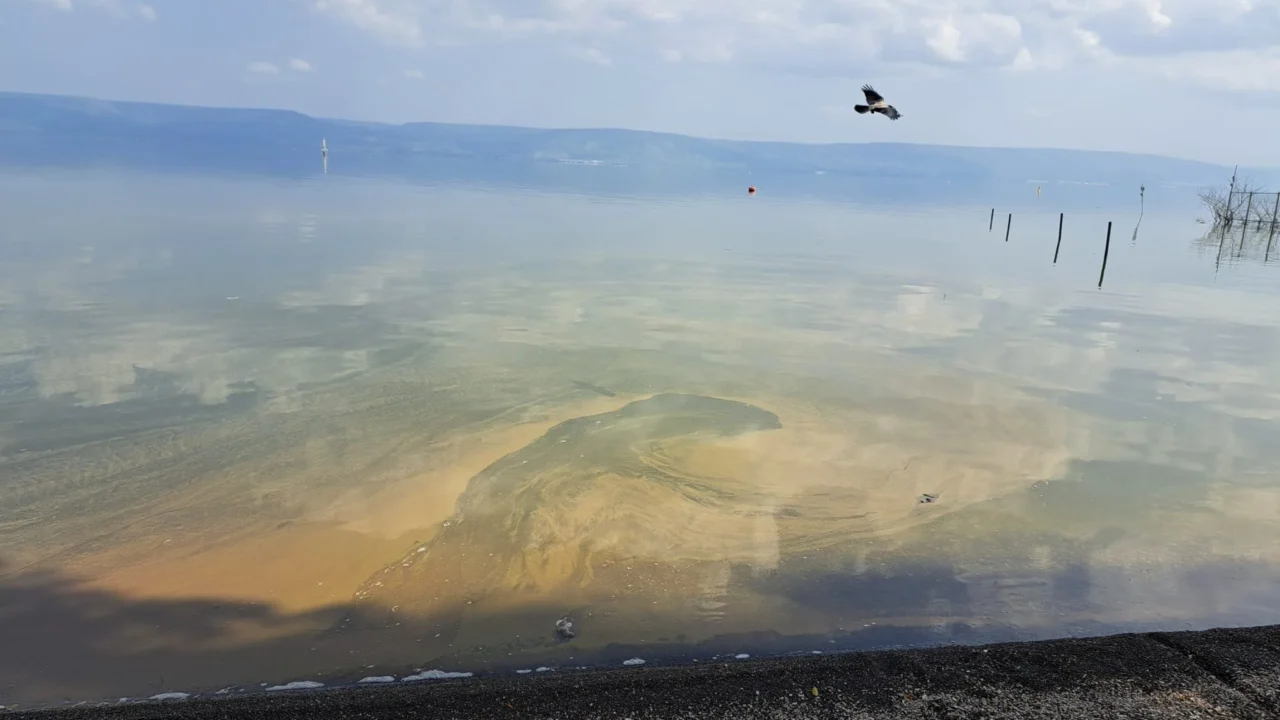
A research team at the Israel Oceanographic and Limnological Research (IOLR) studied how cyanobacteria Microcystis aeruginosa adapt to prolonged heat stress, revealing that survival is tied to a cellular energy shift from photosynthesis to respiration. This was confirmed in a 48-hour experimental heat shock test comparing a strain from Lake Kinneret, Israel, to a commonly studied model strain.
What Happened
The research involved exposing two strains of Microcystis aeruginosa to a rapid 20°C temperature increase, inducing extreme heat stress. The team then observed cellular responses over 48 hours, focusing on photosynthetic electron transport and respiratory activity. Measurements included pump-and-probe spectrophotometry for photosynthesis under light and gas-exchange mass spectrometry for respiration in darkness. The study was published in the journal Science Advances in 2026.
Key Facts
- The local Lake Kinneret strain maintained photosynthesis until cellular exhaustion and density loss, using all energy until collapse.
- The model strain (PCC7806) reduced photosynthesis but increased respiration, improving survival under heat stress.
- The compensatory increase in respiration occurred concurrently with impaired photosynthetic electron transport.
- The study employed measurements of electron flow disruptions within photosystem machinery and oxygen consumption via respiration.
- Heat stress was induced by a 20°C temperature rise, an uncommon approach in ecological cyanobacteria studies, pushing cells to physiological limits.
Why It Matters
The findings suggest that cyanobacteria survival strategies under heat stress involve an integrated energy management system rather than solely protecting photosynthesis. This insight could improve understanding of how toxic algal blooms persist or expand as global temperatures rise, affecting freshwater resources globally.
Background
Microcystis aeruginosa is a globally widespread cyanobacterium responsible for toxic blooms in freshwater ecosystems. Typically, focus has been on photosynthesis capacity as a marker of stress tolerance. However, strains from Lake Kinneret display an unusual seasonal bloom pattern in cooler months, prompting investigation into other survival mechanisms during heat stress.
Analysis
According to Dr. Oded Liran, lead author from IOLR-Kinneret Limnological Institute, the study’s strength lies in combining severe heat shock with simultaneous analysis of photosynthesis and respiration. The heat-tolerant strain prioritizes respiration as a survival response when photosynthesis falters, revealing a broader physiological adaptation than previously recognized.
Who Is Affected
Freshwater ecosystems worldwide, particularly those experiencing warming trends, may be affected by cyanobacterial bloom persistence due to these survival mechanisms. Water management agencies, fisheries, and public health sectors monitoring toxic blooms could benefit from this research in risk assessment and bloom prediction.
What Remains Unclear
- The applicability of these laboratory findings to natural field conditions requires further validation.
- The exact molecular regulatory pathways enabling the shift from photosynthesis to respiration remain undetermined.
- Long-term ecological impacts of increased cyanobacterial respiration in warming climates have not been fully explored.
What Comes Next
Future research aims to validate respiration-based survival indicators in real-world aquatic environments and explore potential biological engineering strategies to mitigate harmful blooms by targeting these cellular mechanisms.
Sources
This article is based on reporting and publicly available information from the following source:
Read more Science Discoveries stories on Goka World News.