
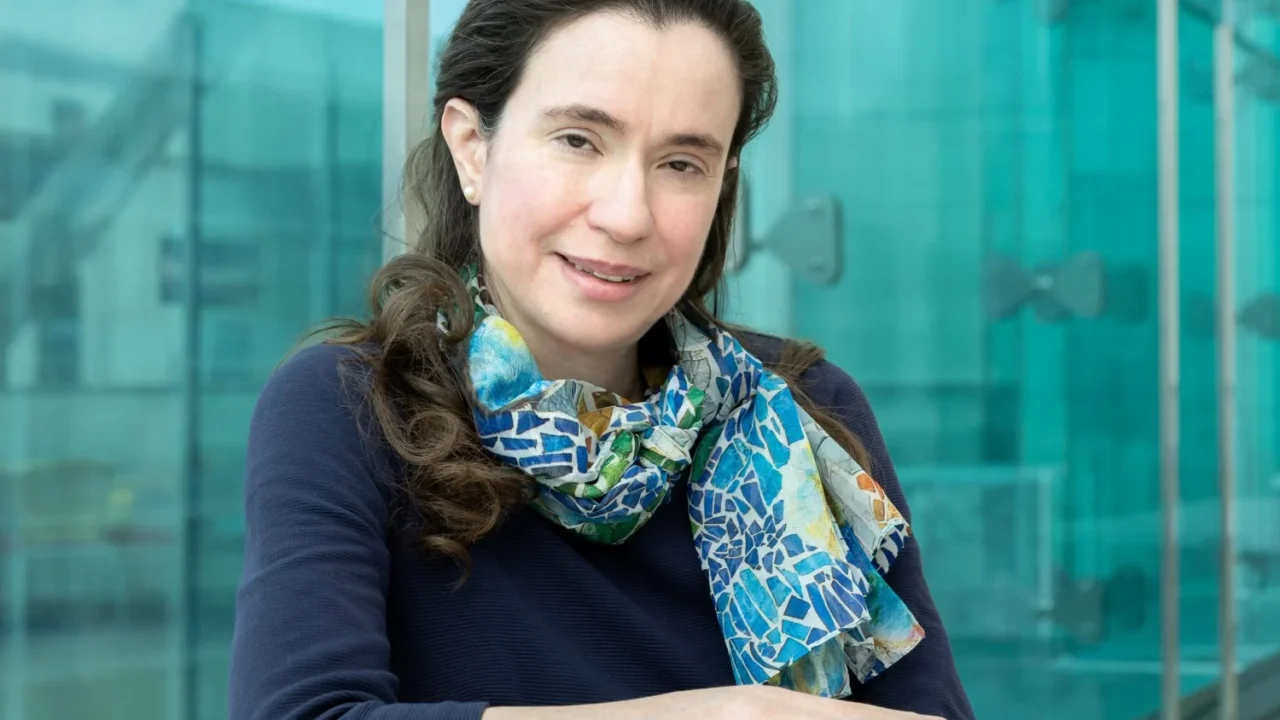
Myriam Heiman, the John and Dorothy Wilson Professor of Neuroscience at MIT, has been appointed director of the Picower Institute for Learning and Memory, effective July 1. Heiman succeeds Li-Huei Tsai, who led the institute for over 16 years. The announcement and her appointment follow significant contributions in molecular neurobiology and genetic studies of neurodegenerative diseases, with details published in journals including Cell.
What Happened
Heiman’s directorship at MIT’s Picower Institute begins on July 1, marking a leadership transition after Li-Huei Tsai’s 16-year tenure. She joined the Picower Institute and related MIT and Harvard institutions in 2011, bringing expertise in neurodegenerative diseases of the basal ganglia such as Huntington’s and Parkinson’s. Her research employs advanced molecular techniques, including single-cell genomics and translating ribosome affinity purification, a transcriptomic method she helped invent, to investigate the molecular changes leading to neuronal cell death. Key findings include a 2020 study screening mouse genes for neuron survival and a 2022 cellular atlas of brain vasculature related to disease progression.
Key Facts
- Research published in leading journals including Cell (2022, 2024).
- Heiman holds the John and Dorothy Wilson Professorship of Neuroscience at MIT.
- She investigates diseases affecting the brain’s basal ganglia: Huntington’s disease, Parkinson’s disease, ALS, and frontotemporal dementia.
- Utilizes innovative techniques such as single-cell genomics and translating ribosome affinity purification.
- Directed by Li-Huei Tsai from 2009 to 2024 before stepping down.
- Heiman received NIH Transformative Research Award (2021) and NIH R35 grant (2022).
- Affiliated with MIT’s Department of Brain and Cognitive Sciences, the Picower Institute, and the Broad Institute.
- Research includes both mouse models and postmortem human brain studies.
Why It Matters
Heiman’s research deepens scientific understanding of the cellular and molecular pathways causing selective neuronal vulnerability in neurodegenerative diseases. Her work opens avenues for identifying therapeutic targets applicable across multiple disorders, including Huntington’s, ALS, and frontotemporal dementia. Such advancements could lead to improved treatments for diseases that currently have limited options and affect millions worldwide.
Background
The Picower Institute, founded by Susumu Tonegawa as a center in 1994 and elevated to institute status in 2002 through a gift from Barbara and Jeffry Picower, is dedicated to unraveling the biological mechanisms of learning, memory, cognition, and related brain functions. Li-Huei Tsai previously guided the institute through notable advances. Heiman’s appointment continues this legacy of leadership in neuroscience research.
Analysis
Nergis Mavalvala, dean of MIT’s School of Science, lauds Heiman as an extraordinary scientist and leader with impactful research elucidating why specific brain cell types succumb to disease. Tsai highlights Heiman’s mission-driven research to tackle urgent neuroscience questions. Heiman’s work, alongside collaborators like MIT’s Manolis Kellis, has produced comprehensive brain cell atlases and identified molecular overlaps across neurodegenerative disorders, underscoring the broad significance of her research.
Who Is Affected
This research directly impacts individuals affected by neurodegenerative diseases such as Huntington’s, Parkinson’s, ALS, and frontotemporal dementia. It also influences neuroscientists, clinicians, and biomedical researchers dedicated to understanding and treating brain disorders. More broadly, patients and families facing these diseases stand to benefit from potential therapeutic advances enabled by Heiman’s findings.
What Remains Unclear
- The precise classification and variability among vulnerable cell types across disorders require further elucidation.
- The detailed molecular triggers initiating disease progression remain under investigation.
- The full range of immune and vascular mechanisms contributing to different neurodegenerative diseases is not completely understood.
What Comes Next
Heiman plans to support the Picower Institute’s diverse neuroscience research community while continuing her investigations into brain disease mechanisms. Her ongoing studies aim to identify early biomarkers and intervention points, with future publications expected. Specific follow-up projects include exploration of substance use disorders and schizophrenia, expanding the institute’s research scope.
Sources
This article is based on reporting and publicly available information from the following source:
Read more Science Discoveries stories on Goka World News.