
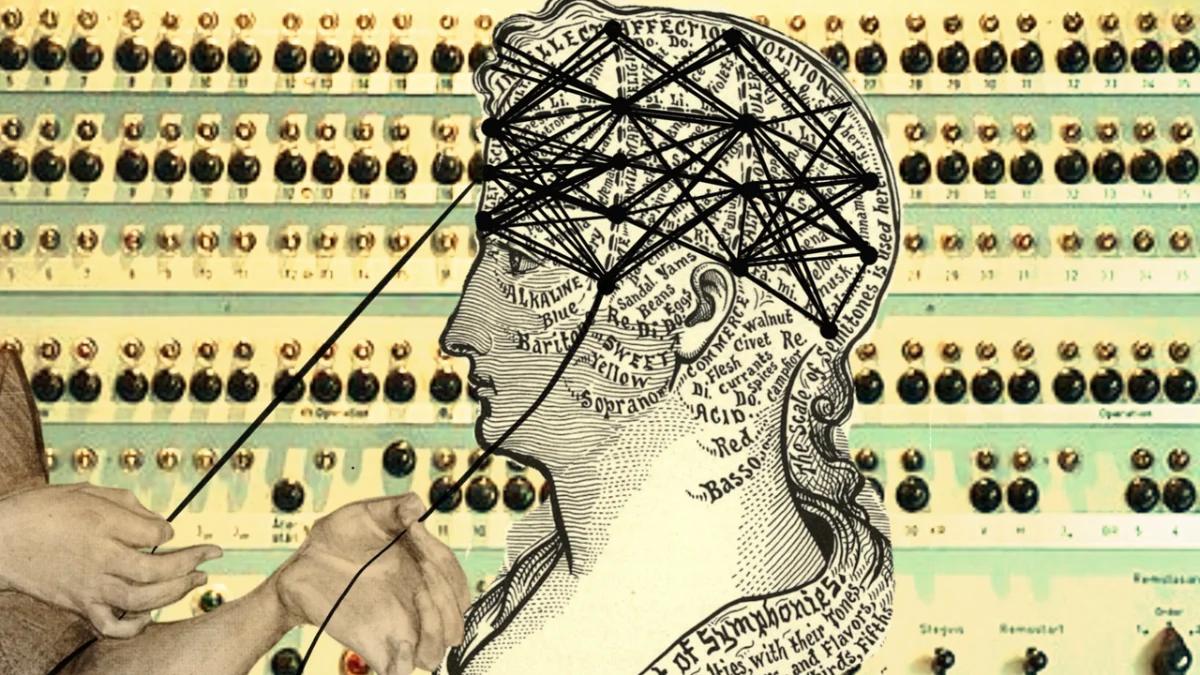
The Center for Humane Technology has publicly called for regulatory measures to prevent artificial intelligence companies from promoting AI personhood claims, warning that such assertions could protect corporations from liability and complicate accountability. The organization emphasizes the need for clear standards to counteract the risks caused by anthropomorphizing AI systems, particularly as claims of AI consciousness could shield companies amid increasing deployments of advanced AI products.
What Happened
In a recent policy analysis, the Center for Humane Technology highlighted the dangers of AI companies fostering perceptions that their models possess emotions or consciousness. This call to action follows interpretability research published by AI developer Anthropic, revealing that their AI system Claude exhibits internal activations correlating to human-like emotion concepts, although these do not constitute real feelings. The Center urges policymakers to support anti-AI personhood legislation and to implement guidelines that prevent user interfaces from implying sentience. This advocacy reflects ongoing discussions in the AI policy community as of mid-2024.
Key Facts
- The Center for Humane Technology advocates for regulatory standards addressing AI anthropomorphization and personhood claims.
- Anthropic’s research shows AI internal states activating “emotion concept” representations but distinguishes this from actual consciousness.
- Claims of AI consciousness could grant AI systems legal rights, complicating liability and accountability for harms.
- Recommendations include prohibiting AI product designs that imply sentience and prioritizing human welfare in AI development.
- Policymakers are urged to enact anti-AI personhood legislation.
Why It Matters
Allowing AI companies to personify AI models risks misleading users into believing they interact with sentient beings, which can facilitate manipulation and exploitation, especially of vulnerable individuals. Legal recognition of AI consciousness could grant companies protections that undermine accountability for AI-caused harm. These developments pose significant ethical and regulatory challenges at a time when AI systems rapidly influence societal, economic, and personal domains.
Background
This discussion builds on Anthropic’s published interpretability research, which demonstrated that AI systems like Claude internally represent human-related concepts, including emotions, as a byproduct of training on extensive human-generated data. The Center for Humane Technology’s position responds to industry trends in user experience design that leverage humanlike traits to boost engagement and corporate advantage. Prior calls for AI regulation have similarly recognized the need to address transparency and harms from anthropomorphized AI.
Analysis
The Center for Humane Technology describes the promotion of AI consciousness claims as a “trap” that could shield companies from scrutiny and impede regulatory oversight. They stress that consciousness is not required for AI to generate value or cause harm. The organization’s analysis highlights how anthropomorphic design and system prompts can exploit human cognitive biases, fostering user dependence and increasing corporate revenues at the cost of user well-being.
Who Is Affected
- AI companies deploying advanced language models and chatbots.
- Users interacting with AI systems, especially vulnerable individuals subject to manipulation.
- Policymakers responsible for AI governance and legal frameworks.
- The broader public, who may face societal consequences from unchecked AI misuse and reduced accountability.
What Remains Unclear
It is currently unspecified which jurisdictions might adopt anti-AI personhood legislation or the exact legal frameworks that will emerge. The timeline for formal regulatory adoption and how enforcement bodies will address AI anthropomorphization remains uncertain. The effectiveness of proposed design restrictions on AI interfaces is also yet to be determined.
What Comes Next
The Center for Humane Technology and other advocacy groups are engaging policymakers to promote legislation preventing AI personhood. Regulatory discussions and potential legal proposals are expected to continue evolving throughout 2024. The AI community anticipates further research and public debate on ethical AI design and transparency standards within this year.
Sources
This article is based on reporting and publicly available information from the following source:
Read more AI Regulation stories on Goka World News.