
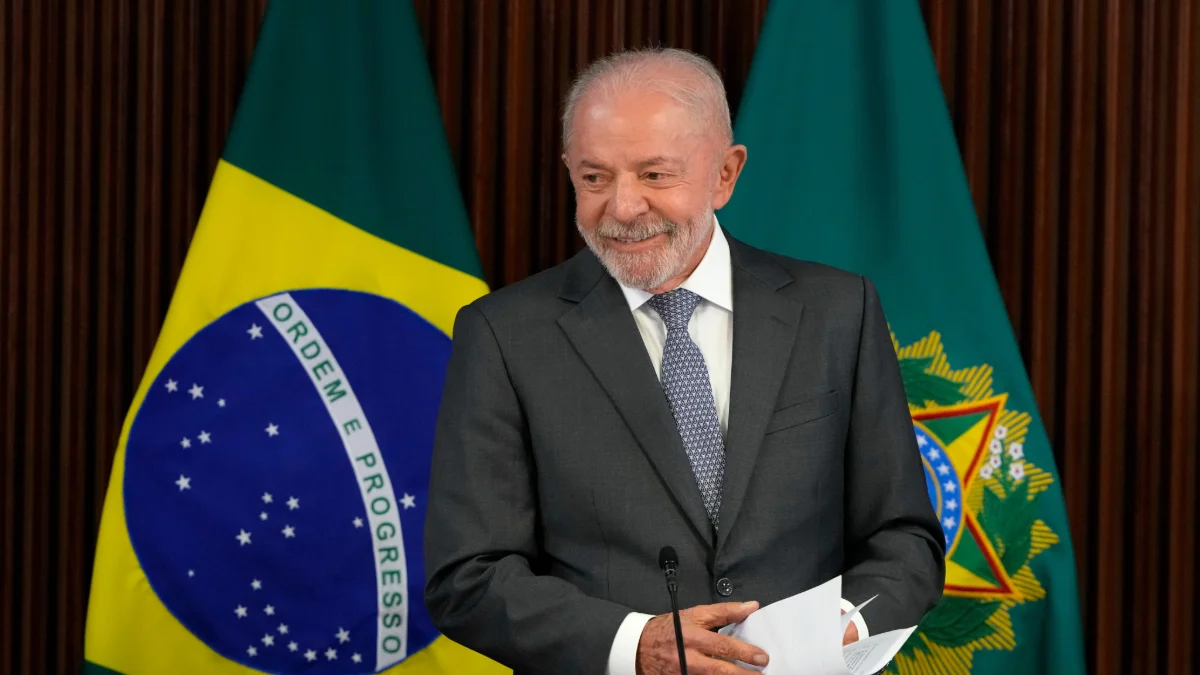
Brazil’s executive branch published decrees in May 2026 expanding the liability of internet platforms, including new duties of care over criminal content and obligations to protect women online. These measures followed a partial Supreme Court ruling altering platform immunity under the Marco Civil da Internet law. The decrees triggered coordinated efforts in Congress to suspend or amend them, accompanied by complaints from Big Tech and U.S. trade authorities.
What Happened
On May 2026, the Brazilian government issued two decrees implementing regulatory frameworks in response to last year’s Supreme Federal Court (STF) ruling that declared parts of Article 19 of the Marco Civil da Internet law unconstitutional, modifying platform liability. The decrees impose obligations on platforms to prevent criminal content, combat online fraud, and swiftly remove non-consensual intimate images to protect women. They also empower the National Data Protection Authority (ANPD) with oversight. Within 24 hours, 26 legislative decree proposals from mostly right-wing and far-right Congress members sought to invalidate or amend these executive orders. The STF is reviewing ongoing appeals and will deliver a final ruling by June 17, 2026.
Key Facts
- Jurisdiction: Brazil
- Legal framework involved: Marco Civil da Internet (Internet Civil Rights Framework), Supreme Federal Court ruling on Article 19
- Decrees issued by the executive branch in May 2026 to operationalize STF decision
- Decrees require platforms to exercise a duty of care over criminal content, online fraud, and to protect women (especially public figures and journalists)
- National Data Protection Authority (ANPD) granted oversight powers over platform compliance
- 26 legislative proposals filed within 24 hours aiming to suspend or modify these decrees
- Appeals by Big Tech companies against STF ruling under review with a final judgment expected June 17, 2026
- U.S. Trade Representative (USTR) proposed 25% tariffs on Brazilian goods on June 1, citing digital market concerns and referencing STF ruling on platform liability
Why It Matters
The decrees mark a significant shift in Brazil’s approach to regulating Big Tech, assigning platforms legal responsibilities previously absent under Brazilian law. This creates concrete compliance obligations regarding criminal and abusive online content, promoting digital rights protection, especially for vulnerable users. The moves also test Brazil’s regulatory sovereignty amid resistance from powerful legislative factions aligned with conservative political interests and external pressure from U.S. trade policies. The USTR’s tariffs and references to Brazil’s internet regulation highlight the intersection of digital policy and geopolitical trade tensions.
Background
Since its enactment in 2014, the Marco Civil da Internet granted broad immunity to platforms regarding user-generated content. In 2025, Brazil’s Supreme Federal Court partially overturned this immunity, ruling parts of Article 19 unconstitutional. However, the Court left it to Congress to define the new liability rules. With Congress failing to act, President Luiz Inácio Lula da Silva’s administration issued decrees to fill the legislative gap.
Analysis
Critics, including influential Big Tech-aligned groups and legal experts like Ronaldo Lemos and Carlos Affonso Souza of ITS-Rio, argue the decrees exceed executive authority, potentially threaten free speech, and concentrate regulatory power in ANPD in a manner compared to authoritative regimes. Conversely, defenders like law professor Conrado Hubner contend that regulation is lawful and necessary given congressional inaction and that it reflects Brazil’s digital sovereignty within constitutional boundaries set by the STF.
Who Is Affected
- Brazilian internet platforms, including major global Big Tech firms
- Brazilian users, especially women and public figures vulnerable to online abuse
- Brazilian government agencies, including the ANPD
- Legislators in Brazil’s Congress
- U.S. trade and regulatory bodies, due to trade implications
What Remains Unclear
- Whether Congress will vote to suspend, amend, or accept the executive decrees
- The final STF ruling on Big Tech companies’ appeals against the 2025 judgment and its implications
- The concrete impact of USTR’s tariffs and ensuing trade negotiations on Brazil’s digital market regulation
- Potential amendments or secondary regulations following these decrees
What Comes Next
- STF final ruling on platform liability appeals expected by June 17, 2026
- Pending congressional votes on the legislative decrees aiming to challenge the executive orders
- Ongoing trade discussions and possible future USTR actions regarding Brazilian digital market practices
Sources
This article is based on reporting and publicly available information from the following source:
Read more Digital Policy stories on Goka World News.