
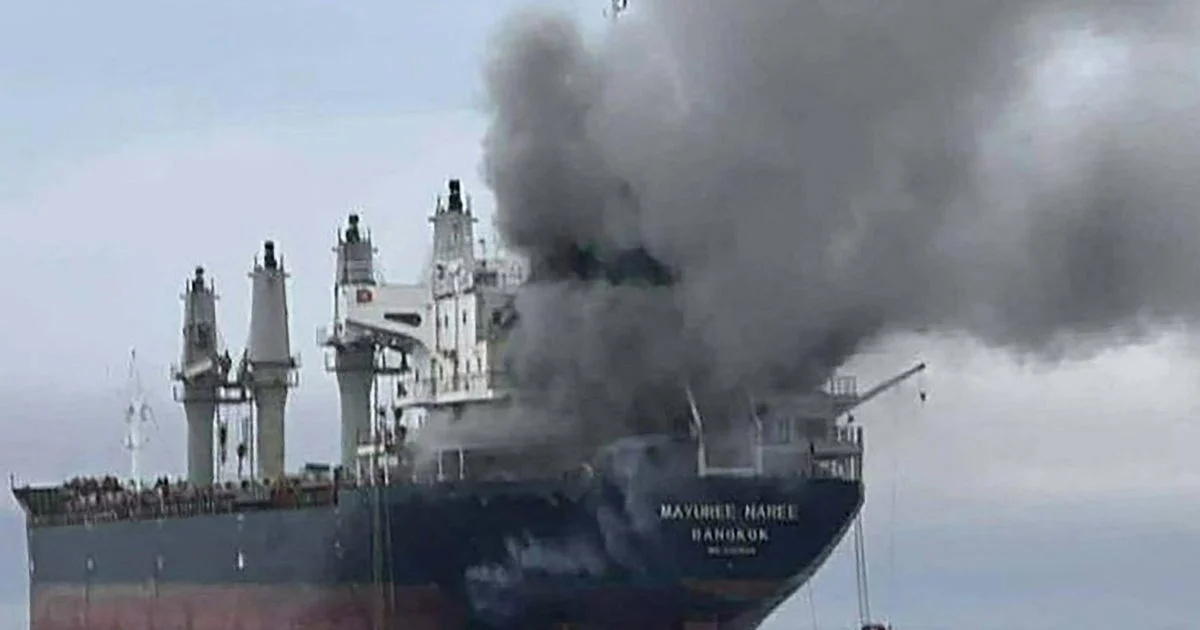
Over 14 commercial sailors have died and thousands more remain stranded in the Strait of Hormuz amid a 109-day conflict between the United States and Iran, disrupting crucial maritime traffic through the Persian Gulf. The conflict has involved detentions, attacks on vessels, and severe hardships for crews trapped on ships in this strategically vital waterway.
What Happened
The ongoing hostilities between the U.S. and Iran in the Strait of Hormuz have resulted in at least 14 commercial mariners dying and hundreds of vessels immobilized in the Persian Gulf, as of June 2026. The conflict has seen both countries detaining and attacking commercial ships accused of violating imposed maritime regulations. An agreement between the U.S. and Iran, due to be signed on June 19, 2026, offers some hope but is not expected to immediately resolve the crisis.
Key Facts
- At least 14 commercial sailors have died during the 109-day conflict, including three Indian nationals killed in a U.S. strike on an Iranian tanker last week.
- Approximately 600 vessels remain trapped in the Persian Gulf, per business intelligence firm Kpler.
- Nearly 18,000 Indian mariners are reported to be in the region, many feeling trapped under harsh conditions, according to India’s commercial shipping ministry.
- The U.S. Central Command confirmed boarding and disabling vessels, including the MT Celestial Sea, which was rerouted to Oman’s Duqm Port where a seafarer died awaiting medical evacuation.
- U.S. forces have disabled nine ships for breaching a blockade and turned back 135 ships, according to CENTCOM statements.
Why It Matters
The Strait of Hormuz is a critical chokepoint for global oil and maritime trade, making the disruption and danger to commercial sailors a significant international concern. The humanitarian cost includes loss of life and severe hardship for crews stranded at sea with limited food, water, and medical care. The ongoing conflict threatens regional stability and impedes global commerce reliant on the safe passage of vessels through this narrow strait.
Background
The conflict escalated during the ongoing tension between the United States and Iran, with maritime restrictions and blockades imposed in the Strait of Hormuz. Both nations have enforced regulations against ships perceived as violating sanctions or security measures, resulting in military interventions and detentions of commercial vessels over the past several months.
Analysis
The International Transport Workers’ Federation described the forthcoming U.S.-Iran deal as “at best, the beginning” of relief efforts and is collaborating with the U.N. International Maritime Organization on evacuation plans. Manoj Yadav, general secretary of the Forward Seamen’s Union of India, highlighted the unbearable conditions aboard stranded ships and criticized the U.S. for strikes that resulted in casualties, calling for a United Nations investigation and compensation for families of deceased sailors.
Who Is Affected
Thousands of seafarers, including many Indian nationals, are directly affected by the crisis, facing detention, injury, death, and being stranded in perilous conditions aboard commercial vessels. Shipping companies and maritime trade routes through the Persian Gulf are also severely impacted by the blockage and insecurity.
What Remains Unclear
- Precise details about the terms of the upcoming U.S.-Iran agreement and how quickly it will facilitate evacuation and repatriation remain uncertain.
- Full official investigation outcomes on the U.S. strikes that caused casualties have not been disclosed, including remediations or compensations.
- Exact timelines for resuming normal shipping traffic through the Strait of Hormuz are unresolved.
What Comes Next
The anticipated U.S.-Iran deal, expected to be signed around June 19, 2026, marks a potential start to easing tensions and addressing the plight of stranded sailors. The International Transport Workers’ Federation and the U.N. International Maritime Organization are working on concrete evacuation plans for affected mariners.
Sources
This article is based on reporting and publicly available information from the following source:
Read more World News stories on Goka World News.