
The United States Senate narrowly rejected a resolution on June 16, 2026, intended to limit President Donald Trump’s authority to engage in hostilities with Iran. The decision comes as the administration promotes a new framework agreement with Tehran, though details remain confidential and the war powers debate intensifies amid a fragile ceasefire.
What Happened
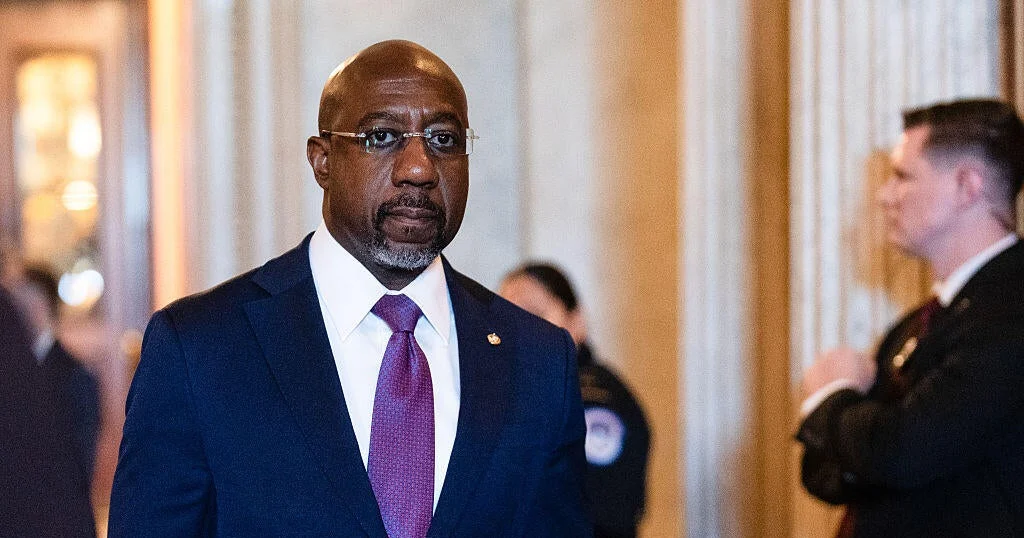
On June 16, 2026, the Senate voted 48 to 47 against a motion to discharge a war powers resolution aimed at forcing the president to remove U.S. armed forces from Iran-related hostilities unless specifically authorized by Congress. The resolution, led by Democratic Sen. Raphael Warnock of Georgia, sought to curtail President Trump’s military actions in the region. Four Republican senators joined nearly all Democrats in support, while Sen. John Fetterman was the lone Democrat opposing.
Key Facts
- The discharge vote outcome was 48 against and 47 in favor of advancing the resolution.
- Four Republicans—Sens. Susan Collins, Bill Cassidy, Lisa Murkowski, and Rand Paul—voted with most Democrats in favor.
- The Senate previously advanced a similar resolution last month with a 50 to 47 vote.
- The Iran Nuclear Agreement Review Act of 2015 requires any U.S.-Iran nuclear deal to be submitted to Congress before sanction relief.
- Senate Majority Leader John Thune requested the full text and briefing on the secret U.S.-Iran accord.
- The administration contends the 1973 War Powers Resolution is unconstitutional and that the 60-day limit triggered by hostilities is paused due to the April ceasefire.
- A group of Democratic senators, led by Sen. Adam Schiff, challenged this legal rationale in a letter, citing ongoing lethal activities post-ceasefire.
Why It Matters
The resolution and ensuing debate underscore Congressional efforts to exert authority over prolonged U.S. military engagement in Iran without explicit war authorization. The narrowly failed vote highlights growing bipartisan unease about executive war powers amid conflicting signals on ceasefire stability and ongoing confrontations. The secrecy surrounding the Iran deal complicates legislative oversight and fuels tensions regarding the scope of presidential military action, with implications for U.S. foreign policy and regional stability.
Background
The United States has been involved in a months-long conflict with Iran, culminating in a fragile ceasefire declared in early April 2026. The War Powers Resolution of 1973 obliges the president to withdraw forces if Congress does not authorize the use of military force within 60 days. However, the Trump administration argues that the ceasefire suspends this requirement, a view contested by Democratic senators citing continuing hostilities.
Analysis
Democratic Sen. Raphael Warnock criticized the prolonged conflict and urged Republican colleagues to oppose the Trump administration’s military engagement. Senate Majority Leader John Thune emphasized the need for transparency by requesting the administration’s briefing and details on the Iran agreement. Senate Minority Leader Chuck Schumer indicated efforts to build GOP support before advancing related resolutions, underscoring the strategic political considerations in constraining war powers.
Who Is Affected
- U.S. military personnel involved in operations related to Iran.
- The governments of the United States and Iran, in ongoing diplomatic negotiations.
- U.S. legislators tasked with oversight of military engagement and foreign policy.
What Remains Unclear
- Exact terms and implications of the secret U.S.-Iran framework agreement.
- Whether the ceasefire legally suspends the War Powers Resolution’s requirements.
- Future U.S. military actions and the administration’s interpretation of constitutional powers.
What Comes Next
Senate leaders are seeking further briefings from the administration on the Iran deal, with ongoing efforts to gain additional Republican support for resolutions constraining war powers. The House previously passed a similar resolution, though the Senate has yet to act on that measure. Congressional debate and potential votes on these resolutions are expected to continue.
Sources
This article is based on reporting and publicly available information from the following source:
Read more Politics stories on Goka World News.