
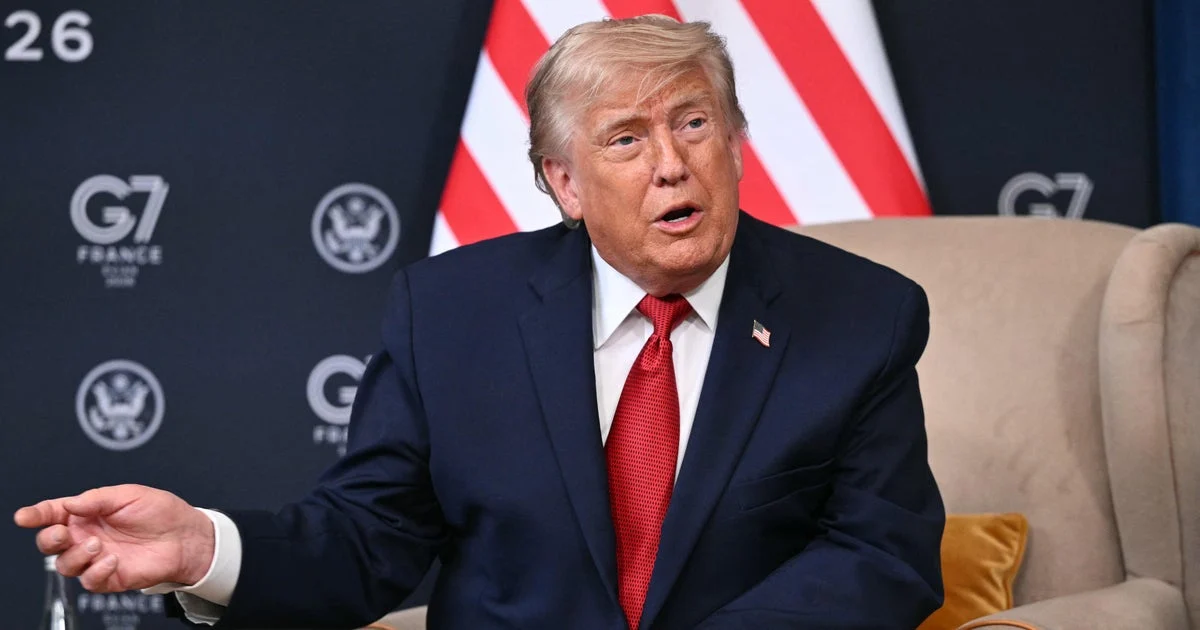
The United States and Iran have remotely signed a 14-point memorandum of understanding aimed at implementing a 60-day ceasefire amid ongoing conflict in the region. The announcement, made in June 2026, comes with U.S. President Donald Trump warning that bombing could resume if Iran fails to comply with the terms outlined in the deal.
What Happened
On Wednesday, June 17, 2026, the U.S. and Iran finalized a memorandum of understanding remotely, which took effect immediately according to a White House official. The agreement was signed digitally by senior officials including Vice President JD Vance and Iranian Parliament Speaker Mohammad-Bagher Ghalib earlier in the week. The formal signing ceremony was anticipated in Switzerland on Friday but its status remains unclear. The memorandum seeks an immediate and permanent end to military operations on all fronts, including Lebanon.
Key Facts
- A 14-point memorandum was agreed upon, emphasizing the cessation of hostilities and safe passage for commercial vessels in key Gulf waterways for 60 days. (White House and Iranian Foreign Ministry statements)
- President Trump confirmed the U.S. and Iran both signed the document remotely from France and Iran respectively. (White House official testimony)
- Iran is permitted to resume oil exports following the memorandum’s effective date. (Deal text summarized by senior U.S. officials)
- Israel continues strikes in Lebanon and maintains forces there, a move Iran views as a violation of the deal. (Iranian official statements)
- Trump warned that if a broader nuclear agreement is not reached within 60 days, the U.S. will “go back to bombing,” though he stated he does not want to resort to violence. (President Trump’s press conference)
- Ballistic missiles remain allowed to some extent, according to Trump, provided other Gulf nations maintain similar arsenals. (Trump’s comments at the G7 summit)
Why It Matters
This development temporarily calms hostilities between the U.S. and Iran, with potential to reduce violence in the region, particularly in Lebanon where Israeli military presence and Iranian-backed Hezbollah activity complicate peace efforts. The deal’s impact on global energy security is significant as it allows Iran to resume oil exports through the Strait of Hormuz, crucial for approximately 20% of the world’s crude oil and LNG supplies. However, the memorandum is only a temporary ceasefire, with risks of renewed conflict if the terms are breached.
Background
The ceasefire comes amid a prolonged war between the U.S. and Iran that began on February 28, 2026, following U.S. and Israeli military actions. Prior to the memorandum, Israel had been conducting strikes in Lebanon against Hezbollah, supported by Iran, raising regional tensions. The conflict had disrupted Gulf shipping and energy exports due to naval blockades and missile attacks, including a March strike on Qatar’s LNG facilities.
Analysis
President Trump underscored the tentative nature of the deal, emphasizing that it is not final and that pressure will continue on Iran to prevent nuclear weapon development. White House officials described the memorandum as a step towards a longer-term resolution, but the president’s statement regarding a swift return to bombing if compliance is not met highlights continued volatility. Iran’s insistence that Israeli forces withdrawing from Lebanon is a condition of the agreement underscores unresolved points. Allies at the G7 summit expressed support for the agreement and its goals.
Who Is Affected
The people of Iran, Lebanon, Israel, and Gulf states including Qatar are directly impacted by the ceasefire and ongoing negotiations. Regional energy markets and international shipping lanes also stand to benefit if the deal stabilizes the situation long enough to resume normal trade flows. Military personnel and civilians in conflict zones face reduced immediate risk but remain vulnerable to potential escalation.
What Remains Unclear
- Whether the formal in-person signing in Switzerland will proceed as planned or is superseded by the remote signing. (White House official comments)
- The detailed terms concerning Iran’s nuclear program commitments and ballistic missile allowances remain undisclosed. (Both governments have declined to publish full terms)
- If and how Israel’s military presence in Lebanon will be altered as a condition of the deal remains disputed. (Statements from Israeli and Iranian officials conflict)
- The certainty of the 60-day timeline and consequences if negotiations extend beyond it are not fully clarified. (Trump’s remarks offered mixed signals)
What Comes Next
The scheduled in-person signing of the memorandum is tentatively set for Friday in Switzerland but may occur earlier. The 60-day ceasefire period has commenced, with ongoing negotiations hoped to culminate in a broader nuclear and peace agreement between the U.S. and Iran. Monitoring of Iran’s compliance and Iran-Israel tensions in Lebanon will be critical during this period.
Sources
This article is based on reporting and publicly available information from the following source:
Read more Politics stories on Goka World News.