
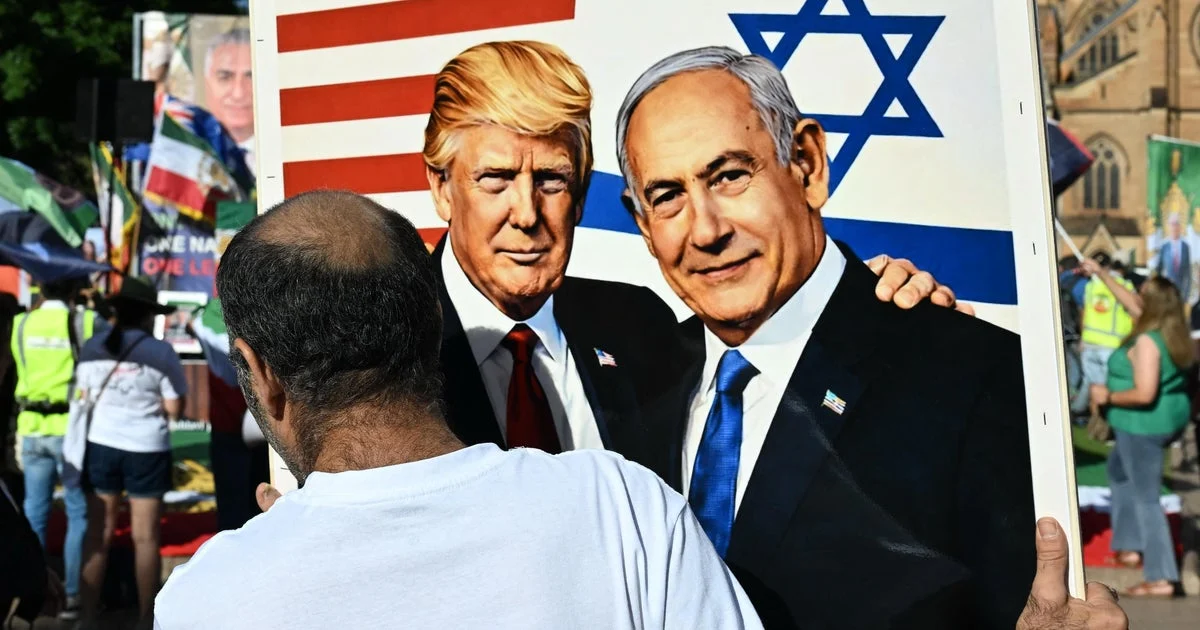
President Donald Trump publicly reprimanded Israeli Prime Minister Benjamin Netanyahu in early June 2026 following Israeli airstrikes on Beirut that jeopardized a pending ceasefire agreement between the U.S. and Iran. This marked a turning point in the often contentious relationship between the two leaders, united initially by coordinated military action but increasingly divided over the war’s conduct and political goals.
What Happened
On June 7, 2026, after Israeli jets struck southern Beirut killing at least three people, Trump expressed his anger in a series of public and private remarks. He questioned Netanyahu’s judgment and called the attack unacceptable on a day when he was announcing a ceasefire deal with Iran aimed at reopening the vital Strait of Hormuz. Trump’s profane scoldings in private calls—with sources reporting phrases like “What the f* are you doing?”—signaled escalating frustration.
The joint U.S.-Israeli military campaign against Iran’s regime began in February 2026 after the killing of Iranian Supreme Leader Ali Khamenei and rapidly escalated into a protracted war. Initially allies in the campaign, Trump had emphasized a swift end aiming to reduce American involvement, while Netanyahu vowed a “total victory” and rejected any political settlement with Iran. Israel’s insistence on continuing strikes, particularly against Hezbollah in Lebanon, has complicated U.S. efforts to negotiate a ceasefire, especially as Iran threatened to abandon talks in response.
Key Facts
Trump and Netanyahu held a public bromance in 2025, with Netanyahu calling Trump “the greatest friend Israel has ever had in the White House” and Trump praising Netanyahu as a great wartime leader despite occasional disagreements. Joint U.S.-Israeli strikes began February 28, 2026, following Khamenei’s assassination. Amid soaring global energy prices triggered by Israeli strikes on Iran’s South Pars gas facility in March 2026, Trump warned Netanyahu privately to stop such actions, though Netanyahu insisted Israel “acted alone.”
In May 2026, the U.S. brokered a two-week truce with Iran via Pakistan’s mediation, although Israel explicitly excluded Lebanon from the agreement and intensified strikes there. With Israeli elections due by October 2026, Netanyahu faces pressure to deliver on his hardline stance against Iran while avoiding political fallout over the conflict and looming corruption trials.
What This Means
The public clash between Trump and Netanyahu signals deepening fissures in one of the United States’ closest international partnerships amid a complex regional conflict. For ordinary citizens in Israel and Lebanon, continued fighting raises the threat of displacement, casualties, and instability, while U.S. ambitions to extricate itself from the protracted Iran war face serious challenges.
Trump’s insistence on concluding a ceasefire suggests a strategic pivot to reducing American military engagement and easing global oil supply disruptions. By contrast, Netanyahu’s refusal to accept any deal that leaves Iran or Hezbollah militarily unscathed reflects domestic political calculations as well as long-standing Israeli security policy. This discord may complicate diplomatic efforts and risks prolonging the conflict.
The rift underlines how domestic politics in both countries influence foreign policy decisions, with Netanyahu’s October election looming and Trump seeking to reshape his legacy on the war’s end. The strained relationship could impact future U.S.-Israeli coordination, even as critical military and intelligence cooperation remains intact for now.
Background
Trump and Netanyahu’s relationship warmed significantly after Trump’s 2024 re-election, marked by Trump’s recognition of Jerusalem as Israel’s capital and withdrawal from the 2015 Iran nuclear deal. The two leaders declared strong bonds in 2025. However, the 2026 joint military campaign against Iran escalated tensions as realities of war and divergent political priorities emerged, culminating in Netanyahu’s unilateral strikes in Lebanon that upset delicate ceasefire negotiations brokered by the U.S.
What Comes Next
The U.S.-Iran ceasefire deal signed by Trump includes a pause in hostilities, but Israel maintains it will not withdraw from Lebanon without Hezbollah’s dismantlement. The planned direct U.S.-Iran talks, scheduled for June 2026 in Switzerland, have been delayed. Israeli elections are anticipated before the end of October 2026, a timeline that may influence Netanyahu’s willingness to compromise. Meanwhile, monitoring of ceasefire adherence and ongoing diplomatic efforts are expected to continue amid regional volatility.
Sources
This article is based on reporting and publicly available information from the following source:
Read more Politics stories on Goka World News.