
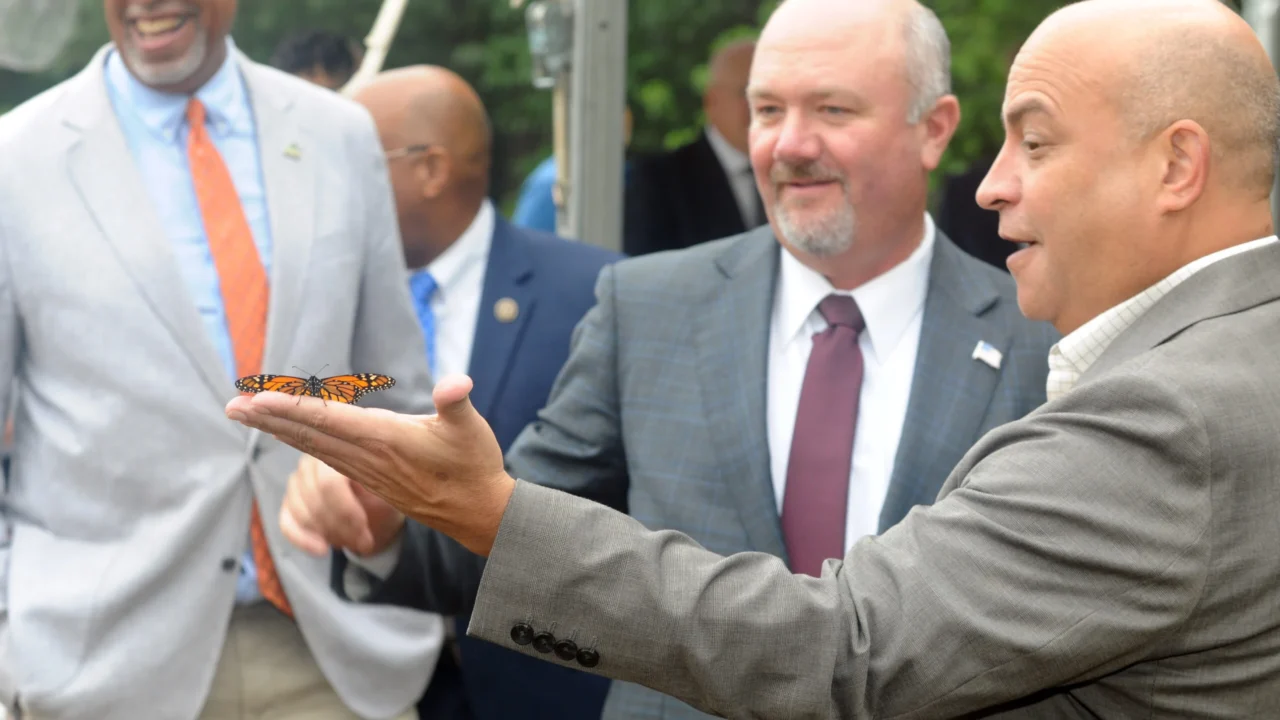
NASA has officially handed over ownership of approximately 105 acres of heavily wooded land from its Goddard Space Flight Center in Greenbelt, Maryland, to the adjoining Patuxent Research Refuge, managed by the U.S. Fish and Wildlife Service. This transfer expands the largest contiguous forest tract located between Washington, D.C., and Baltimore.
What Happened
On Tuesday, NASA ceremonially transferred the property formerly known as Area 400, which had primarily been used for propellant research starting in the 1960s. NASA’s propellant research operations have since shifted to other facilities and commercial entities, paving the way for the transfer discussions initiated in 2021. Effective as of February 23, the 105-acre parcel has now officially become part of the Patuxent Research Refuge.
Prior to transfer, the land was almost entirely forested except for a small, two-and-a-half-acre clearing that contained 11 small structures. NASA finalized the handover by dismantling these buildings, along with roadway and utility infrastructure, fully integrating the land into the refuge’s ecosystem.
Key Facts
The transferred acreage lies within the nearly 13,000-acre Patuxent Research Refuge, the only national refuge dedicated specifically to wildlife research. The refuge also facilitates various recreational activities, including hiking, biking, horseback riding, fishing, and regulated hunting. The land now increases the size of the largest unfragmented forest corridor between the nation’s capital and Baltimore.
NASA Goddard Center Director Jamie Dunn highlighted the agency’s long history of Earth science research spanning more than six decades, emphasizing the importance of collaboration with the Fish and Wildlife Service to conserve natural resources for future generations. U.S. Fish and Wildlife Service Director Brian Nesvik underlined how such partnerships support both conservation and expanded outdoor recreation opportunities.
What This Means
This land transfer represents a strategic repurposing of federal property from space-related research to ecological conservation and public enjoyment. By joining the Patuxent Research Refuge, the former NASA land bolsters the protection of Maryland’s forest ecosystems and wildlife habitats, contributing to broader efforts to safeguard biodiversity and natural landscapes in heavily urbanized regions.
For local communities and visitors, expanding the refuge enhances outdoor recreational options while preserving an important green corridor crucial for migratory species and native wildlife. Furthermore, the transfer underscores NASA’s evolving mission priorities and resources, as the agency reallocates focus and facilities while supporting interagency cooperation on environmental stewardship.
These efforts reflect a growing trend of federal agencies assessing the best use of their land holdings to maximize public benefit, combining scientific research, conservation goals, and recreational access in ways that resonate beyond strictly aerospace domains.
Background
NASA’s use of Area 400 for propellant research began in the 1960s at Goddard, reflecting the center’s long-standing role in spacecraft and rocket technology development. As such research consolidated elsewhere, the land remained largely forested and underutilized. The Patuxent Research Refuge, established as the nation’s only wildlife refuge dedicated exclusively to scientific research, serves as a critical site for studies informing conservation biology and ecosystem management since its creation.
What Comes Next
With the land formally incorporated into the Patuxent Research Refuge, management will now fully transition to the U.S. Fish and Wildlife Service. The agency is expected to maintain and enhance the area’s ecological integrity while promoting its recreational use consistent with conservation objectives. NASA has completed its closeout activities, and no further NASA operations on the site are planned.
Sources
This article is based on reporting and publicly available information from the following sources:
Read more Space & NASA stories on Goka World News.