
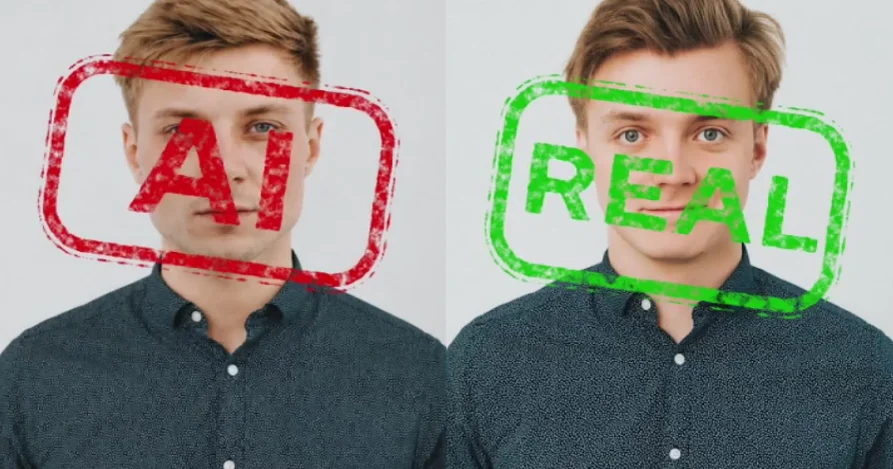
A recent identity verification quiz and survey reveal a striking challenge in cybersecurity: most Americans cannot distinguish between real and AI-generated deepfake images with any reliability. The findings underscore the increasing difficulty for the public to discern visual truth amid the rise of sophisticated AI image and video generation.
What Happened
Consumer investigative reporter Kristine Lazar tested her ability to differentiate AI-created content from genuine photographs using a quiz developed by Veriff, an online identity verification company. Despite her decade of experience as an investigator, Lazar scored only 3 out of 12 correct initially, equating to a 25% accuracy rate. Veriff’s product director Raul Liive explained that similar results were observed in broader public testing, with accuracy likened to a coin toss. The quiz featured side-by-side images and videos, challenging participants to identify authentic material versus AI fabrications.
Key Facts
The survey and quiz findings highlight that traditional visual cues previously used to spot fakes—such as distorted fingers or unnatural eyes—are no longer reliable, as AI technology has markedly improved. Liive noted the AI-generated images now exhibit higher quality, with minimal overt flaws. Instead, subtle inconsistencies like mismatched earrings, texture anomalies, unnatural facial features, or abnormal blinking patterns in videos are among the few clues remaining.
After receiving expert guidance on these subtle signs, Lazar retook the quiz and improved her score to 8 out of 12. Even AI specialists admitted that achieving 100% accuracy in identifying deepfakes is currently unattainable without dedicated detection tools.
What This Means
The growing sophistication of AI-generated images and videos poses significant challenges to cybersecurity and digital trust. As fake visuals become increasingly indistinguishable from reality, individuals, businesses, and institutions risk deception, misinformation, and fraud. This erosion of trust could have broad implications—from identity theft and social engineering attacks to manipulation of public opinion and false news dissemination.
For ordinary users, relying solely on personal judgment to verify images is no longer practical. Experts recommend adopting AI-powered verification software and specialized detection apps as essential tools to safeguard against misinformation. This shift signals a need for broader public education and enhanced technology solutions to maintain integrity in digital content consumption.
Background
Veriff, the company behind the quiz, specializes in identity verification solutions that increasingly incorporate AI to detect fraud. The surge in AI-generated digital content has intensified concerns about the spread of deepfakes, which have been linked to impersonation, fake profiles, and disinformation campaigns worldwide.
Analysis
Raul Liive of Veriff described the rapid evolution of AI image synthesis as a double-edged sword. While AI advances enable creative and innovative applications, they simultaneously raise the stakes for cybersecurity and user safety. The near-impossibility of visual verification without tools reflects a mounting vulnerability in digital identity and content authenticity.
What Remains Unclear
The full extent of how widespread AI deepfakes are in deceptive practices was not confirmed. Additionally, it remains unclear how quickly individuals and organizations are adopting reliable detection technologies or which platforms might integrate such tools more broadly.
What Comes Next
Experts suggest users should complement human judgment with AI-enabled verification tools, though specific upcoming software releases or regulatory measures were not detailed in the source. Continued public awareness efforts and technological innovation appear essential to confront this evolving challenge.
Sources
This article is based on reporting and publicly available information from the following source:
Read more Artificial Intelligence stories on Goka World News.