
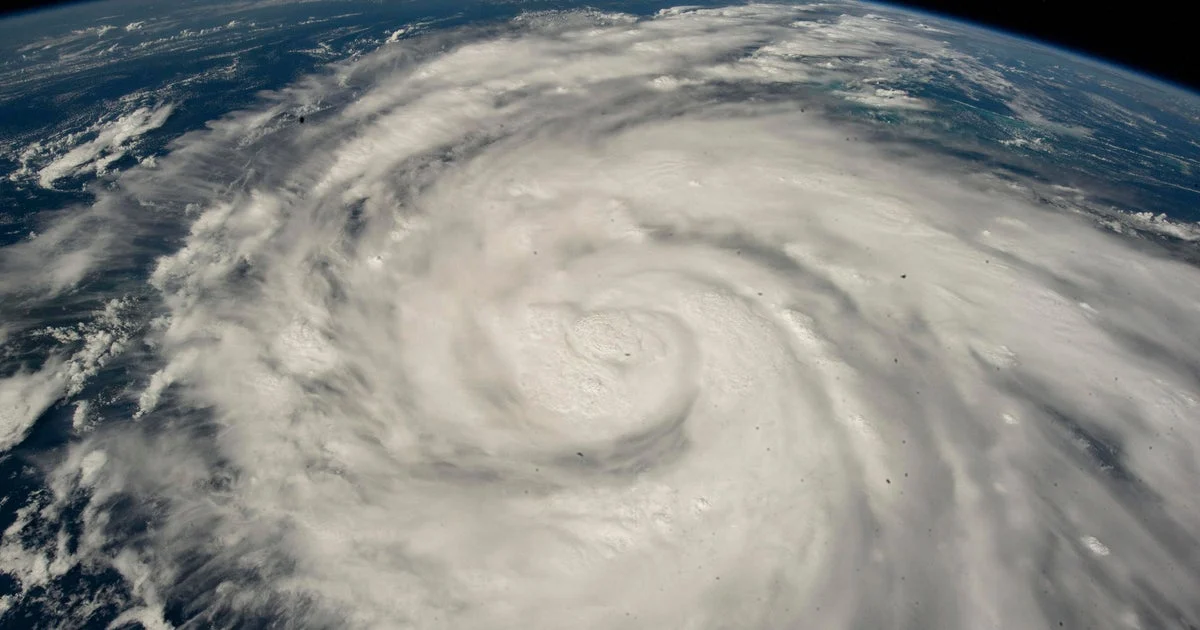
The Atlantic hurricane season spans from June 1 to November 30, with storms rated by the National Hurricane Center on the Saffir-Simpson Hurricane Wind Scale. This scale categorizes hurricanes into five levels based on their sustained wind speeds and the expected severity of damage, ranging from some damage at the lowest level to catastrophic destruction at the highest.
What Happened
The 2026 Atlantic hurricane season has seen below-average activity so far due to the influence of El Niño, which brings warmer Pacific waters and suppresses Atlantic storm development. Meanwhile, the Pacific basin has experienced stronger storms, including Hurricane Lowell and Hurricane Polo, the latter reaching Category 5 intensity off Mexico’s west coast.
The Saffir-Simpson scale defines hurricanes by sustained wind speeds starting at 74 mph for Category 1, escalating to 157 mph or higher for Category 5 storms. Each category corresponds to increasing risks of damage, power outages, and habitability issues in affected areas.
Key Facts
A Category 5 hurricane has sustained winds of 157 mph or more and can cause catastrophic damage. Examples include 1992’s Hurricane Andrew and 2017’s Hurricane Irma, both highly destructive in Florida and the Caribbean. Category 4 hurricanes have winds between 130 and 156 mph and inflict similar catastrophic damage, as seen with 2017’s Hurricane Harvey and Hurricane Ida.
Category 3 storms feature winds of 111 to 129 mph, causing devastating damage, such as Hurricane Wilma in 2005. Category 2 hurricanes, with winds from 96 to 110 mph, can cause extensive damage including major roofing and siding loss, exemplified by Hurricane Floyd (1999) and Hurricane Ike (2008). The Category 1 level, from 74 to 95 mph, involves very dangerous winds that may snap branches and cause power outages lasting days, as with Hurricane Sandy in 2012.
The National Hurricane Center designates storms as “major hurricanes” if they reach Category 3 or higher, given their potential for significant loss of life and widespread destruction.
What This Means
Understanding the Saffir-Simpson categories helps communities and officials prepare for expected damage and disruptions from hurricanes. Even lower-category storms can cause dangerous flooding, power outages, and property damage. The classification guides emergency response decisions, evacuation orders, and infrastructure resilience planning.
As hurricane characteristics evolve alongside rising sea surface temperatures, forecasters and policymakers use these categories to better anticipate and mitigate impacts on coastal communities. This is critical for safeguarding lives, minimizing economic losses, and ensuring effective disaster readiness. Public awareness of hurricane categories encourages appropriate preparation, reducing risks from even Category 1 or 2 storms, which remain dangerous despite their lower rating.
Background
Historically, hurricanes like Katrina (Category 3 at landfall in 2005) and Ian (Category 4 in 2022) highlight how storms can cause widespread flooding, prolonged power outages, and major economic damage. Scientists are discussing potential adjustments to the scale, considering the increasing intensity of hurricanes linked to warming oceans, though no Category 6 currently exists officially.
Sources
This article is based on reporting and publicly available information from the following sources:
Read more Climate & Environment stories on Goka World News.