
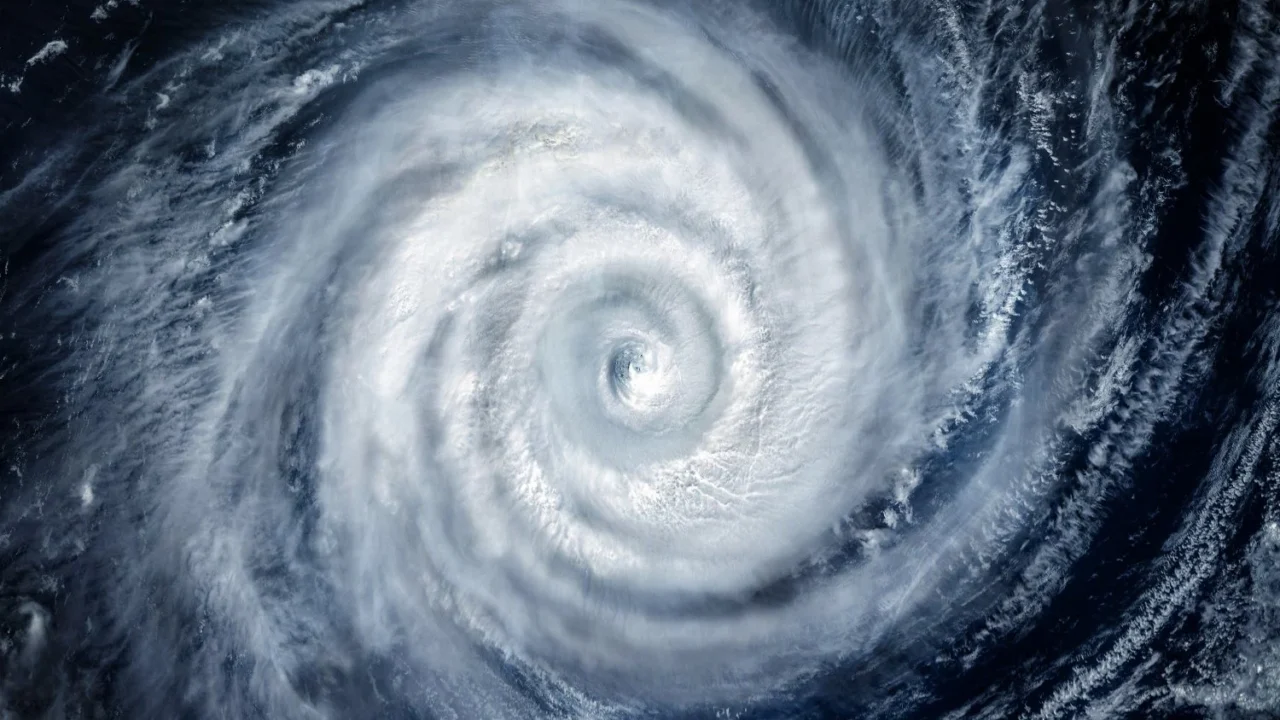
MIT researchers have made significant strides in developing scientific models and actionable tools to better predict and prepare for extreme weather events driven by climate change. Their work, conducted under MIT’s 2022 Climate Grand Challenges initiative and highlighted by over 40 faculty and students, is already supporting communities, governments, and industries in managing climate-related hazards like floods, hurricanes, and heat waves.
What Happened
Beginning in 2022, MIT’s Climate Grand Challenges launched the “Preparing for a New World of Weather and Climate Extremes” research area to address shortcomings in existing tools for evaluating local climate risks. Over four years, the interdisciplinary team has produced 29 research papers alongside digital tools and datasets designed for immediate or near-term deployment. These projects include refining extreme rainfall forecasts, improving hurricane and severe storm risk modeling, and developing user-friendly planning platforms for municipal decision-makers. Notably, efforts have extended to optimizing electrical power infrastructure resilience against intensifying weather events.
Key Facts
The research outputs include 29 publications across weather and climate science, risk evaluation, and urban planning. The lead teams involve faculty such as Paul O’Gorman and Kerry Emanuel from MIT’s Earth and Atmospheric Sciences department, along with Associate Professors Miho Mazereeuw and Michael Howland. Case studies and tool deployments have focused on diverse locations including Central Texas, Pakistan, Boston, Florida’s Broward County, and Texas’ electrical grid. Advancements draw on climate modeling, mesh-grid weather data, and AI-assisted visualization to translate scientific knowledge into practical applications.
What This Means
These developments mark a meaningful step toward closing the gap between climate science and its application in public safety, urban resilience, and infrastructure planning. For communities and local governments, having accurate, accessible forecasting and risk assessment tools facilitates faster, more informed decision-making during emergencies and long-term recovery efforts. In energy sectors, smarter infrastructure siting ensures robustness against increasingly erratic weather, potentially saving costs and improving energy reliability. The advances provide models that incorporate complex climate variables like humidity patterns and daily wind cycles, enhancing prediction accuracy. Ultimately, the tools developed by MIT support a proactive rather than reactive approach to climate change impacts, encouraging investment in resilience that could mitigate loss of life and economic damage.
Background
The initiative builds on existing climate science showing a rise in extreme weather linked to global warming, including catastrophic flooding, cyclones, and wildfires. Prior research established the need for better predictive technologies and scenario planning, which MIT’s Climate Grand Challenges aimed to accelerate through interdisciplinary collaboration.
Analysis
According to Paul O’Gorman, uncovering the role of relative humidity in seasonal rainfall shifts represents a novel insight with direct implications for refining climate models. Kerry Emanuel emphasized progress in hurricane risk estimation, although he noted challenges remain with convective storms responsible for greater recent damages. Miho Mazereeuw highlighted the critical need to bridge scientific results with actionable community plans, especially for recovery phases post-disaster. Michael Howland’s study into electrical grid resilience against simultaneous pressures from renewables and climate stress illustrates the importance of integrating weather data with infrastructure design.
What Comes Next
Researchers plan to enhance model realism and provide tools for use by utility grid planners and regulators. Meanwhile, collaborative projects continue expanding real-time data dissemination and community-focused planning platforms. These efforts aim to ensure that the comprehensive scientific knowledge generated directly supports resilience-building and policy decisions worldwide.
Sources
This article is based on reporting and publicly available information from the following sources:
- MIT News | Massachusetts Institute of Technology / David Chandler | Office of the Vice President for Energy and Climate — “MIT researchers are mapping extreme weather risks — and building tools to act on them”, published September 18, 2026.
- web.mit.edu
- climategrandchallenges.mit.edu
- climate-extremes.mit.edu
Read more Climate & Environment stories on Goka World News.