
PhysioNet, a biomedical data-sharing platform developed at MIT, has transformed from a modest archive of digitized electrocardiogram (ECG) recordings into a comprehensive global repository fundamental to health research and artificial intelligence (AI) applications. The platform’s development represents a critical evolution in medical data collaboration, profoundly influencing the accessibility of clinical datasets worldwide.
What Happened
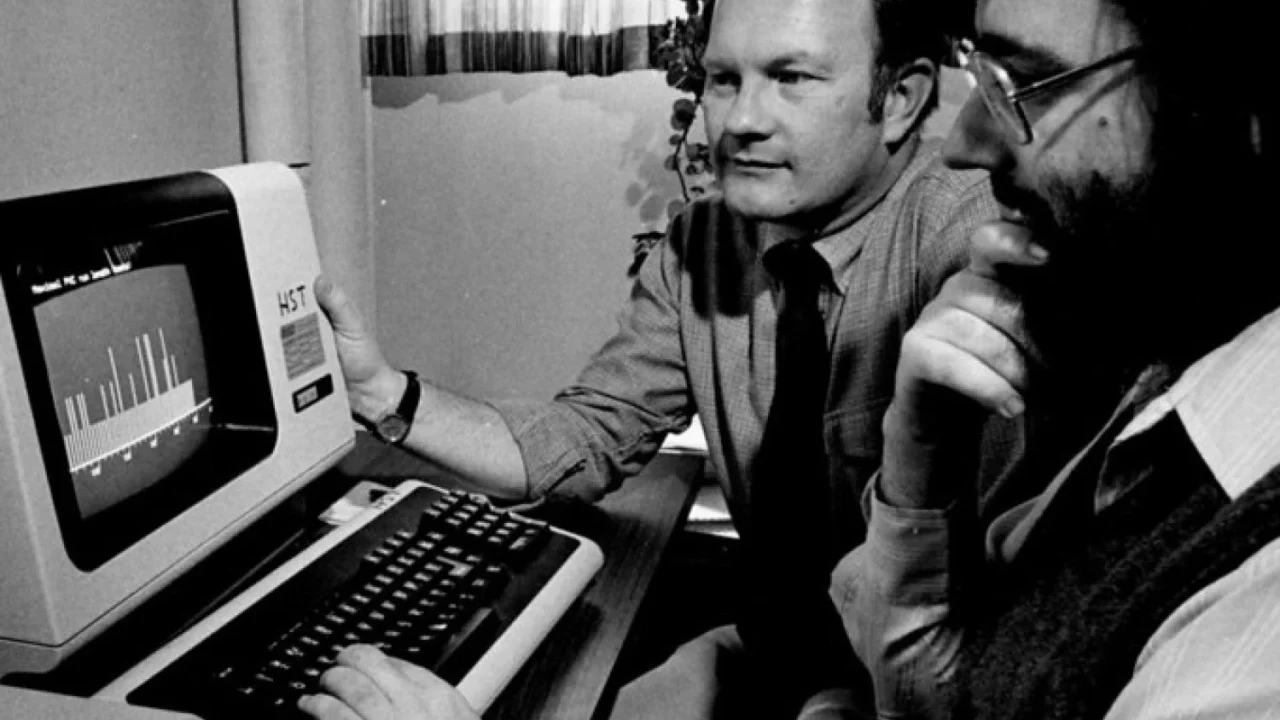
The roots of PhysioNet trace back to 1975, when MIT researchers and clinicians from Boston’s Beth Israel Hospital began collecting and digitizing ECG recordings to facilitate collaborative arrhythmia research. This endeavor culminated in 1980 with the distribution of annotated magnetic tapes to academic and industry groups, marking one of the earliest instances of sharing clinical data beyond institutional silos. Over the following decades, PhysioNet expanded its scope and capabilities, moving from mailed tapes to CD-ROMs and eventually FTP servers with the rise of the internet.
Founded formally in 1999 under Harvard-MIT’s program in Health Sciences and Technology, PhysioNet became a clinical data repository specializing in complex physiological signals. Its offerings later broadened to include electronic health records, imaging data, software, and AI models. Notably, the Medical Information Mart for Intensive Care (MIMIC) database, launched through PhysioNet, emerged as a critical resource for de-identified ICU patient data.
Today, PhysioNet hosts hundreds of datasets, supports users from over 180 countries, and was cited in more than 15,000 scientific publications last year. The platform’s stewardship remains with MIT’s Laboratory for Computational Physiology (LCP), maintaining a public source code and expanding community engagement through conferences and annotation initiatives.
Key Facts
PhysioNet was developed at the Massachusetts Institute of Technology in partnership with Boston’s Beth Israel Hospital and formally inaugurated in 1999 within the Harvard-MIT Health Sciences and Technology program. Its initial dataset consisted of over 100,000 annotated ECG recordings digitized from magnetic tapes.
The Medical Information Mart for Intensive Care (MIMIC) database, central to PhysioNet, provides de-identified intensive care unit electronic health records and has been instrumental in research and clinical AI development.
PhysioNet’s resources are openly accessible, featuring public source code and datasets in areas such as cardiovascular health, critical care, clinical informatics, and machine learning for medicine.
The platform’s influence was acknowledged earlier this year when Roger Mark and George Moody, PhysioNet’s founders, received the IEEE Biomedical Engineering Award for accelerating biomedical research globally through data dissemination.
What This Means
PhysioNet’s evolution illustrates a profound shift in medical research culture, emphasizing open data sharing to accelerate discovery across institutions and disciplines. By lowering barriers to data access, the platform enables researchers, clinicians, AI practitioners, and companies to test high-risk, innovative hypotheses that might otherwise remain unexplored due to resource constraints.
Access to high-quality, curated biomedical data like that offered by PhysioNet has become foundational in health AI, facilitating the development and validation of algorithms applied in clinical decision-making and medical device innovation. With users worldwide, the platform contributes to more inclusive and diverse research, potentially enhancing the generalizability of scientific findings.
Moreover, PhysioNet’s open-source approach fosters a collaborative ecosystem where data contributors and users share expertise, enhancing data quality and usability over time. This model challenges traditional academic incentives favoring exclusive data control, highlighting the growing recognition that shared resources can yield broader societal benefits in health outcomes.
Background
Prior to PhysioNet, clinical data were typically siloed within hospitals or academic labs, making large-scale data-driven research costly and difficult. PhysioNet’s origins in the 1970s marked an early attempt to digitize and widely disseminate physiological signals, a forward-looking concept during an era dominated by physical media.
Subsequent developments expanded the data types and formats available, paralleling technological advances in digital storage and internet infrastructure. Initiatives like MIMIC addressed the challenge of harnessing electronic health records not originally designed for research reuse.
Analysis
Thomas Heldt, associate director of MIT’s Institute for Medical Engineering and Science, described PhysioNet’s founding as “incredibly visionary,” recognizing its role in enabling health research innovation. Researchers such as Vivek Natarajan of Google DeepMind confirm PhysioNet and MIMIC’s status as foundational standards underpinning health AI research globally.
Ziad Obermeyer, associate professor at UC Berkeley, emphasized how PhysioNet reduces “friction” in research access, shifting the bottleneck away from ideas or talent to enabling rapid, affordable experimentation. This transformation is critical for advancing frontier research that could lead to transformative medical breakthroughs.
What Comes Next
PhysioNet’s custodians plan to enhance user engagement through an annotation system enabling community contributions, aiming to enrich data utility and facilitate interdisciplinary collaboration. The platform also organizes annual conferences to foster knowledge exchange among clinicians, computer scientists, and other stakeholders advancing biomedical research and AI.
Sources
This article is based on reporting and publicly available information from the following sources:
Read more Science Discoveries stories on Goka World News.