
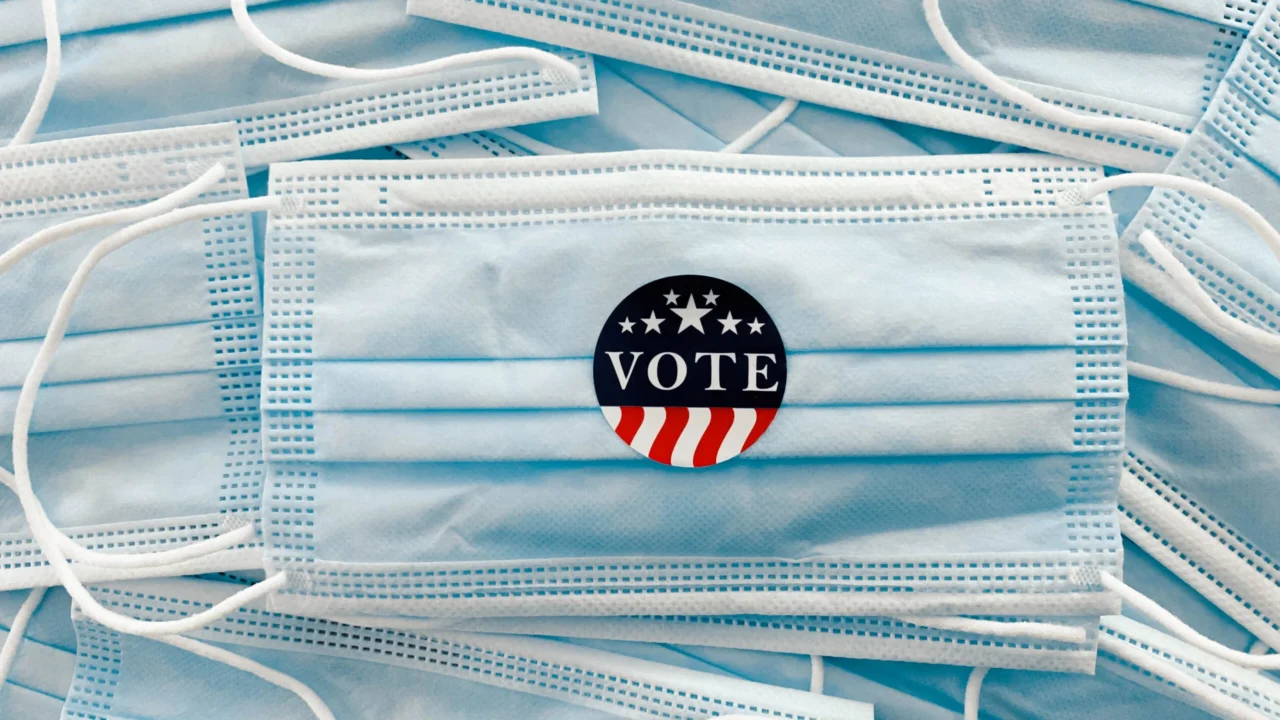
A number of former public health officials in the United States are campaigning for statewide political offices this year, drawing on their experience in managing the COVID-19 pandemic and other health issues. This group of mostly Democratic candidates is seeking to turn their public health credentials into voter support amid ongoing debates over pandemic policies, healthcare access, and government funding for health programs, according to coverage by KFF Health News.
What Happened
In 2024, several ex-public health leaders are running for high-profile state positions, with some aiming for governorships and others targeting legislative roles. Among them is Xavier Becerra, the former U.S. Secretary of Health and Human Services (HHS), now campaigning for California governor. Amy Acton, who led Ohio’s health department early in the pandemic, is also running for Ohio governor. Abdul El-Sayed, former health director for Detroit and Wayne County, Michigan, is a Democratic candidate for U.S. Senate. These candidates present public health leadership as a core part of their platforms in states where healthcare remains a prominent voter concern.
Key Facts
Xavier Becerra, who served as HHS secretary under President Biden from 2021 to 2023, won a highly competitive California open primary and is set to face Republican Steve Hilton in the general election. Becerra’s tenure was marked by efforts to expand Affordable Care Act enrollment and Medicaid access, as well as tackling issues like hospital antitrust and prescription drug pricing.
Amy Acton led the Ohio Department of Health from February 2019 to June 2020, frequently appearing in pandemic briefings alongside Governor Mike DeWine. Her handling of COVID-19, including public health orders such as mask mandates and business closures, drew both praise and heavy criticism. She has refocused her campaign on healthcare affordability and protecting Medicaid and ACA coverage.
Abdul El-Sayed, leading Detroit and Wayne County health departments from 2015 to 2017 and 2022 to 2025 respectively, has emphasized policies like medical debt forgiveness, opioid overdose reversal initiatives, and progressive healthcare reform, including support for Medicare for All. His primary campaign for U.S. Senate in Michigan includes endorsements from prominent progressive figures such as Senators Bernie Sanders and Representatives Alexandria Ocasio-Cortez.
Political scientists highlight that while healthcare tops voter concerns nationally, economic issues and other topics may overshadow health in some states. Public perceptions of pandemic-related public health measures remain polarized, complicating electoral prospects for candidates tied to those policies.
What This Means
The candidacies of former public health officials signal a notable shift where medical and health sector expertise is leveraged in political arenas traditionally dominated by career politicians. Their campaigns reflect an effort to translate frontline pandemic experience into policy leadership capable of addressing ongoing healthcare affordability, access, and public health infrastructure challenges.
At the same time, these runs expose the political risks tied to pandemic-era decisions such as lockdowns and vaccine mandates, which remain divisive among voters. Candidates like Becerra, Acton, and El-Sayed must navigate voter fatigue with COVID-19 controversies while emphasizing broader health policy goals, including expanding Medicaid and reducing prescription drug costs. Their participation also alerts observers to a potential growing trend of scientifically trained leaders entering electoral politics in response to perceived threats to public health funding and policy under previous administrations.
Success or failure for these candidates will inform future strategies on how public health credentials affect electability in a politically polarized environment where trust in health institutions varies significantly. For voters, these elections may shape how pandemic lessons influence the direction of state and national healthcare policies in the coming years.
Background
During the COVID-19 pandemic, public health officials often served as the public face of government response, delivering daily updates and managing evolving health mandates. However, many also faced intense partisan backlash, particularly from Republican leaders and constituents opposed to measures like mask mandates and business closures. The Trump administration’s approach included cutting funding for some health programs and adopting a more critical stance toward scientific research and vaccination efforts, adding further complexity to the political landscape faced by health professionals transitioning into politics.
Sources
This article is based on reporting and publicly available information from the following sources:
Read more Politics stories on Goka World News.